Vegetable Garden Layout Ideas That Actually Work
Designing a garden is the act of choreographing nature. If you miscalculate your layout, you face a season of stunted growth and fungal outbreaks. But if you master the blueprint, the garden becomes a self-sustaining machine. We have broken down the most effective layouts based on your specific environmental constraints and goals.
1. Square-Foot Gardening Layouts (The Precision Method)
Created for the gardener who demands $100\%$ efficiency, Square-Foot Gardening (SFG) divides a bed into a grid of 12-inch squares.
- The Logic: Instead of rows, you plant a specific number of plants per square (e.g., 1 tomato, 4 cabbages, or 16 radishes).
- The Benefit: This eliminates weeding in paths and reduces water waste, as you only hydrate the specific grid where the roots reside.

2. Raised Bed Garden Layouts (The Gold Standard)
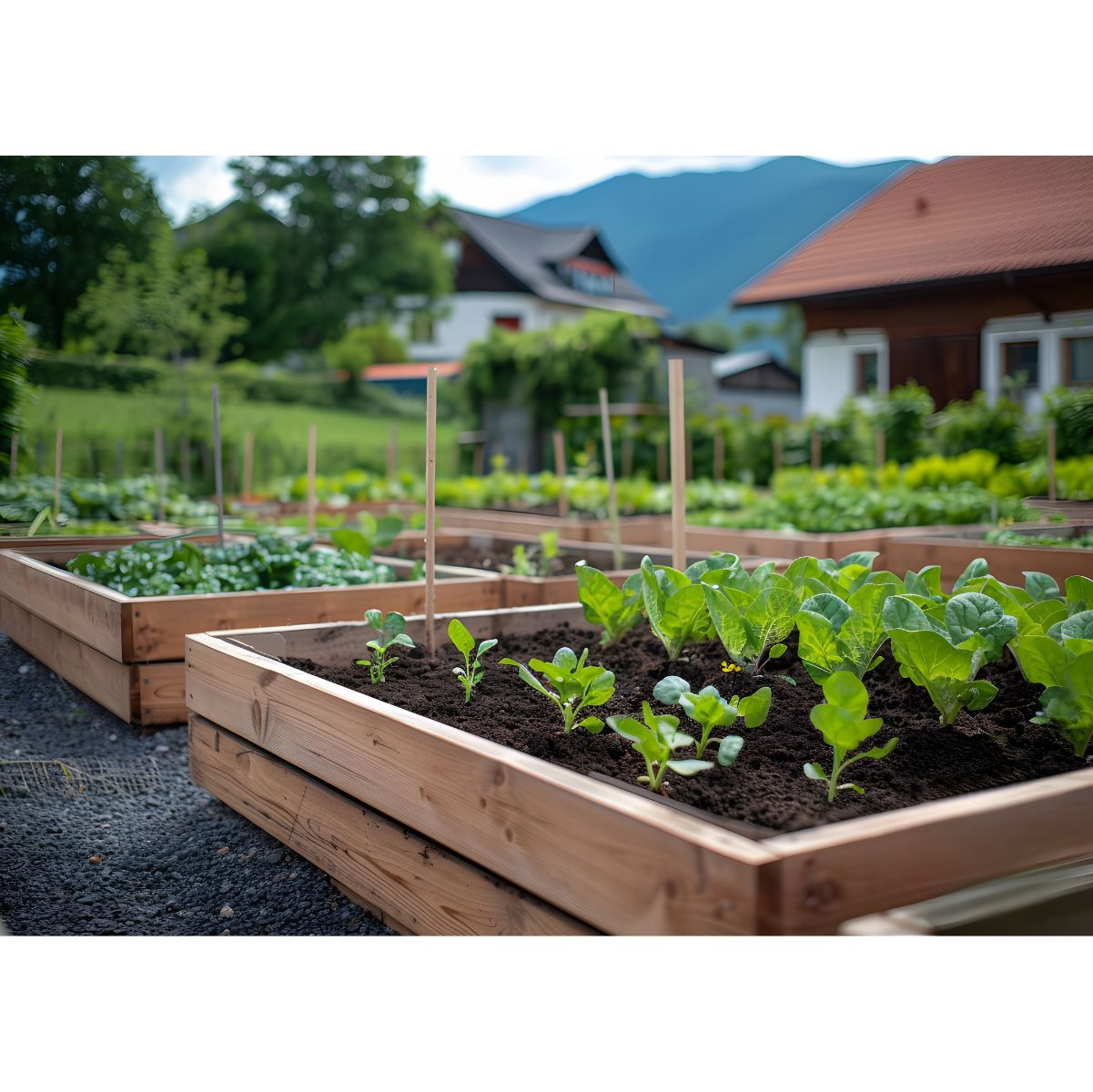
Raised beds are the “control centres” of the modern garden. By lifting the growing area, you gain total authority over your soil chemistry and drainage.
- Ergonomics: Designing beds at a height of 18–24 inches reduces back strain and prevents soil compaction because you never step on the growing surface.
- Layout Tip: Arrange beds in a “U” or “L” shape to create a cockpit-like experience where everything is within a single reach.
3. Backyard & Homestead Garden Layouts (The Production Scale)
If you have the luxury of space, a homestead layout focuses on food security and long-term sustainability.
- The Strategy: These layouts often incorporate crop rotation zones to prevent soil-borne diseases.
- Integration: A homestead design is the perfect place to grow fruit trees at home. Place permanent features like a guava tree or a mango tree on the perimeter to act as a windbreak for your annual vegetables.
4. Kitchen Garden Layouts (The “Potager” Aesthetic)
The French potager is designed to be beautiful enough for the front yard but functional enough to feed a family.
- The Goal: Immediate accessibility. These are placed closest to the kitchen door.
- Design: Mix edible crops with ornamentals. For example, planting Malabar spinach on a decorative obelisk creates a stunning vertical focal point that is also delicious.
5. Small Garden & Vertical Layouts (The Urban Solution)
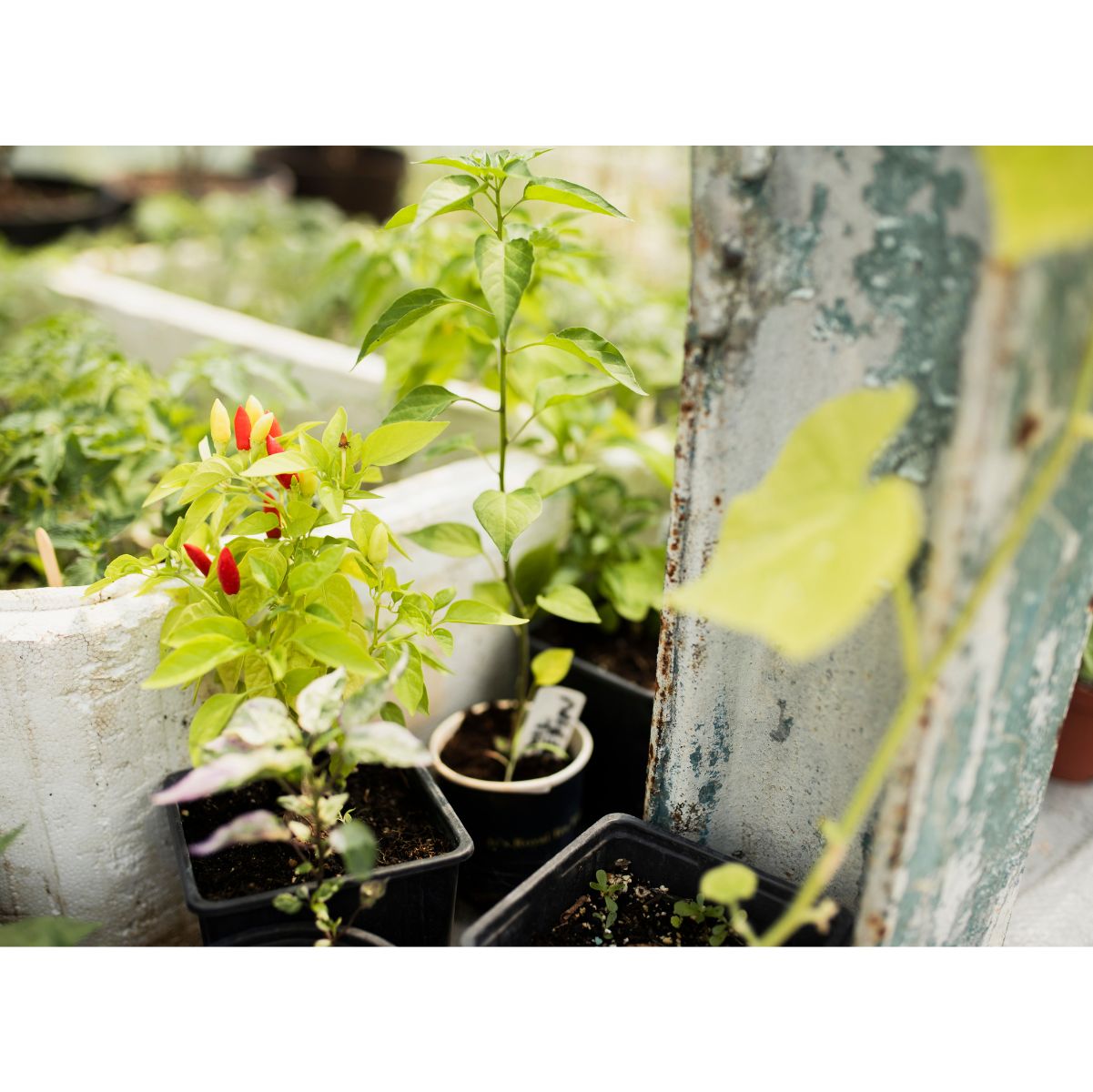
Small gardens require you to stop thinking horizontally and start thinking about the Z-axis.
- Vertical Integration: Utilise trellises for cucumber plants and dragon fruit. This keeps the fruit off the ground, reducing rot and making it easier to identify common garden pests.
6. Dry Gardens & Partial-Shade Layouts (The Environmental Adaptation)
Not every garden has “perfect” conditions.
- Drought-Resistant (Xeriscaping): Use sunken “waffle beds” to catch every drop of dew and rain.
- Partial Shade: If your yard has limited sun, focus your layout on leafy greens and brassicas. A cauliflower cultivation guide will show you that while these need sun, they appreciate afternoon shade in hotter climates.
FAQ: Engineering the Perfect Plot
What is the best layout for a vegetable garden?
For most home gardeners, the intensive raised bed layout is best. It balances soil control with high-density planting, allowing for the maximum harvest in the minimum amount of time.
What garden layout is most efficient?
The square-foot method is the most efficient for small to mid-sized spaces. It prevents overplanting and ensures that every square inch of nutrient-rich soil is occupied by a productive plant.
Which vegetables grow well together chart?
Using companion planting is like hiring “bodyguards” for your plants.
- Tomatoes: Plant with basil and marigolds (see our tomato growing guide).
- Cucumbers: Plant with radishes and sunflowers.
- Guava: Benefit from nitrogen-fixing groundcovers. Learn how to start one from a branch here.
Which direction is best for a vegetable garden?
A north-to-south orientation is the gold standard. This allows the sun to track across the beds, ensuring that tall plants (like trellised peas) don’t cast a permanent shadow over shorter crops (like lettuce).
How to plant rows in a vegetable garden?
If you choose rows, avoid “single-file” lines. Instead, use Wide Rows (blocks). Scattering seeds in a 12-to-18-inch-wide band creates a “living mulch” that suppresses weeds and keeps the soil cool, a tip often overlooked in a standard vegetable gardening guideline.
The Holistic Vision for mcgarden
A vegetable garden is never “finished”. It is a seasonal evolution. By designing with these architectural principles, you aren’t just planting a garden; you are engineering a high-yield food system.
For more visual design blueprints, daily harvest stories, and 3D garden planning tutorials, follow our community on Pinterest.