Best Flowering Plants for Home Gardens
A flower garden is more than a visual asset; it is a biological engine that drives the health of your entire property. By strategically selecting botanical entities, you can increase your vegetable gardening yields, suppress weeds, and manage the local microclimate.
Top-Tier Selections: Best Flowering Plants for Home Gardens (Outdoor)
When choosing outdoor flora, you must consider USDA Hardiness Zones and photoperiodism (how much light they need to trigger blooming).
The Resilience Leaders
- Lavender (Lavandula): A perennial powerhouse. Beyond its fragrance, it is a staple for those who start an herb garden at home, as it thrives in poor, well-drained soil.
- Coneflowers (Echinacea): These are vital for xeriscaping (low-water landscaping). They attract predatory wasps that help you naturally identify and manage garden pests.
- Peonies: Known for their massive, fragrant blooms, these are long-lived perennials that can thrive for over 50 years with minimal intervention.
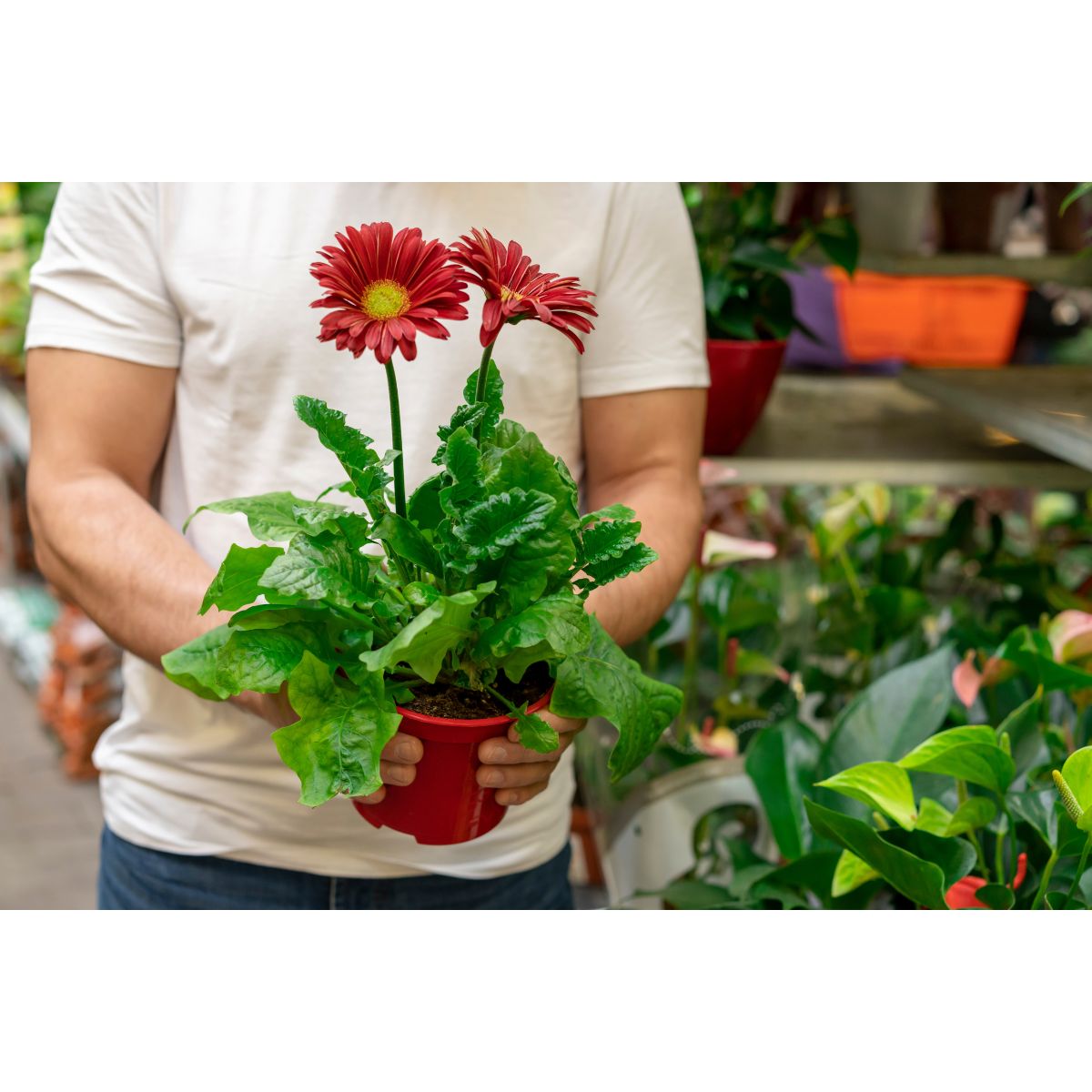
Integrated Pest Management: Flowers to Deter Pests
Strategic planting, or interspecific competition, allows flowers to act as organic “bodyguards” for your food crops.
- Marigolds (Tagetes): These produce alpha-terthienyl, a chemical that suppresses soil-borne nematodes. They are the perfect border for anyone growing fruit trees at home to protect sensitive root systems.
- Nasturtiums: These act as a “trap crop” for aphids. Instead of attacking your kale or spinach, pests are lured to the succulent stems of the nasturtium.
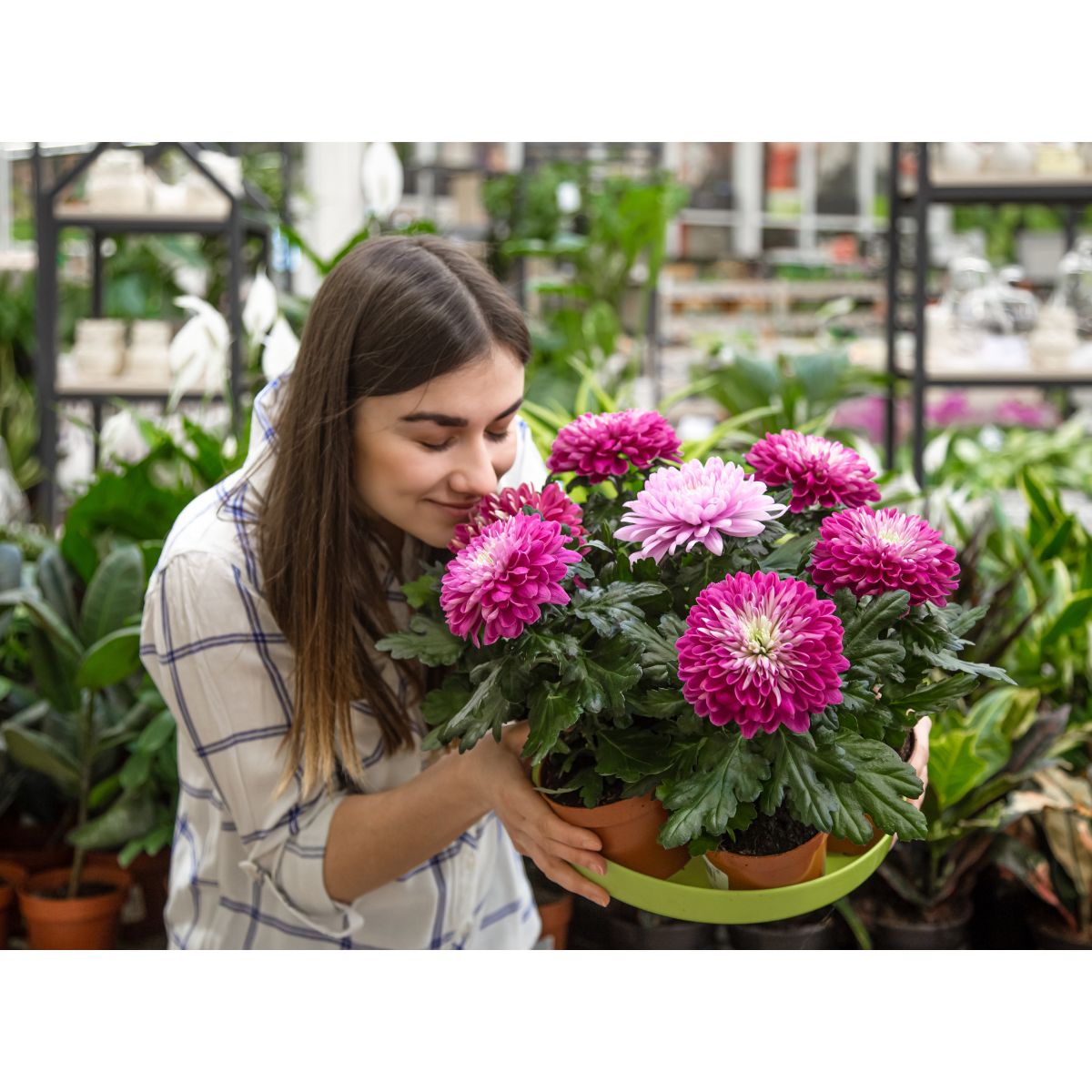
- Chrysanthemums: These contain pyrethrum, a natural insecticide that repels Japanese beetles, ants, and roaches.
Container Gardening: Easy-to-Grow Flowers in Pots
For urban gardeners or those with limited acreage, pots allow for controlled soil chemistry and portability.
- Petunias: These offer high floriferousness (abundance of flowers) and come in “Wave” varieties that spill beautifully over the edges of hanging baskets.
- Geraniums (Pelargonium): Exceptional for their drought tolerance. They are the ideal “starter flower” for beginners.
- Begonias: These are the kings of the shade. If your porch gets little sun, begonias will provide deep reds and pinks without the risk of leaf scorch.
Curb Appeal: Flower Garden Ideas for the Front of House
The “Front of House” garden is your home’s first impression. Focus on visual textures and colour theory.
- The Layered Approach: Use tall foxgloves or delphiniums at the back, mid-sized zinnias in the centre, and low-growing sweet alyssum as a “living mulch” border.
- Seasonal Succession: Plant bulbs like tulips for spring, transitioning into Black-Eyed Susans for summer, and mums for the fall to ensure year-round kerb appeal.
Comprehensive FAQ: The Botanical Knowledge Base
Which is the best flower plant for home?
The answer depends on the environment. For indoor air purification, the peace lily is unmatched. For outdoor versatility, the marigold is the winner due to its medicinal, culinary, and pest-repelling properties.
Which plant gives 12 months of flowers?
In frost-free zones, bougainvillaea and ixora bloom almost perpetually. For temperate climates, the African Violet (indoors) is the most reliable 12-month bloomer if kept in indirect sunlight.
What are the best flowering houseplants?
- Anthuriums: Known for waxy, long-lasting blooms.
- Orchids (Phalaenopsis): High elegance with a “low-water” requirement.
- Kalanchoe: A succulent that produces clusters of tiny, vibrant flowers and requires very little maintenance.
Which plant has the lowest maintenance cost?
Zinnias and Cosmos. These can be grown from inexpensive seeds directly in the soil, require zero specialised fertilisers, and are highly resistant to heat and common diseases.
Which flower is best for all seasons?
Snapdragons (Antirrhinum) are remarkable “all-season” performers. They can survive light frosts in the winter and continue to bloom through the summer heat in most moderate climates.
5. Designing an Edible Landscape
Many homeowners are now growing flowers, herbs, and spinach together. This practice, known as food foresting, ensures that your ornamental flowers are actually supporting the nutrient cycle of your edible crops. By using organic homemade fertilisers, you keep your entire ecosystem safe for pollinators.
For more visual inspiration, garden blueprints, and “Planting by the Moon” calendars, follow our community on Pinterest.