
Growing Fruit Trees in Small Spaces: Full Guide
Choosing a tree for a compact space requires looking for “Columnar” or “Dwarf” varieties. These trees typically reach a maximum height of 6–8 feet but produce full-sized fruit. By integrating these into your vegetable gardening guidelines, you create a multi-layered edible landscape.
1. Dwarf Meyer Lemon
The “Holy Grail” of small gardens. It is prolific, fragrant, and thrives in large pots. Because it is self-fertile, you only need one tree to get a heavy harvest.
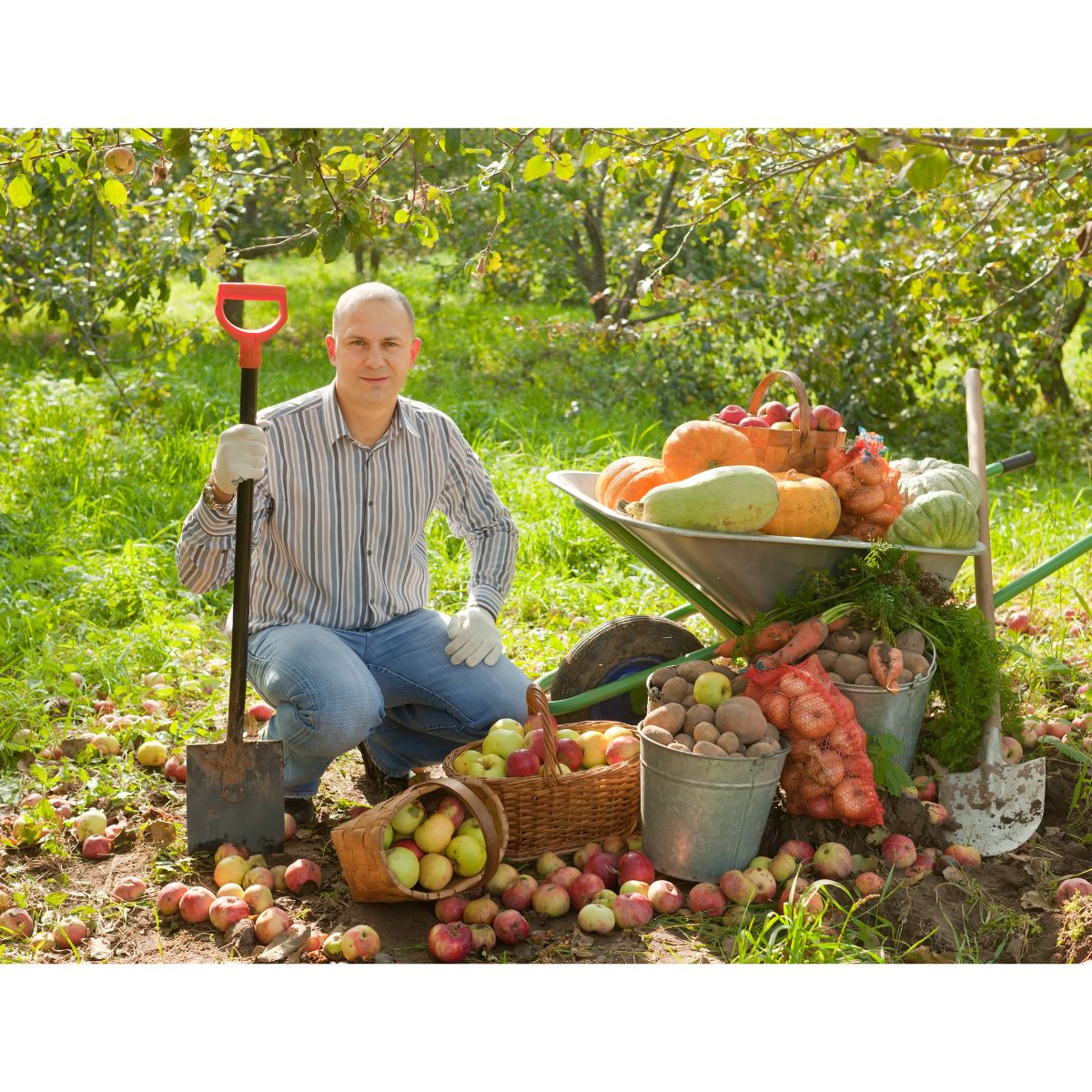
2. Columnar Apple Trees
These grow straight up like a pillar (2 feet wide) and don’t produce side branches. They are perfect for lining a fence or framing a doorway.
3. Dwarf Guava
Guavas are remarkably resilient. You can even start a new guava tree from a branch using air-layering. Following a professional guava growing guide will help you keep it pruned to a manageable shrub size.
4. Dragon Fruit (Pitaya)
Technically a climbing cactus, this is the ultimate vertical fruit. Growing dragon fruit at home requires only a sturdy post and minimal water, making it perfect for “dry” small gardens.
5. Dwarf Fig (Celeste or Little Miss Figgy)
Figs have aggressive roots in the ground, but in a pot, they stay small and produce two harvests a year. They are arguably the most drought-tolerant on this list.
6. Patio Peach (Bonanza)
Traditional peaches are huge, but the ‘Bonanza’ variety is a genetic dwarf. it stays under 5 feet tall and produces sweet, full-sized freestone peaches.
7. Starfruit (Averrhoa carambola)
For tropical enthusiasts, a dwarf Starfruit tree offers ornamental beauty with its pink flowers and unique “star” shaped fruits.
8. Dwarf Mango
While wild mangos are giants, dwarf cultivars like ‘Irwin’ or ‘Nam Doc Mai’ can be kept small. You can even try to grow a mango tree from a ripe fruit and use pruning techniques to maintain a “condo” size.
9. Mulberry (Dwarf Everbearing)
Mulberries are usually massive, but the everbearing dwarf variety can be kept as a 4-foot bush that provides berries all summer long.
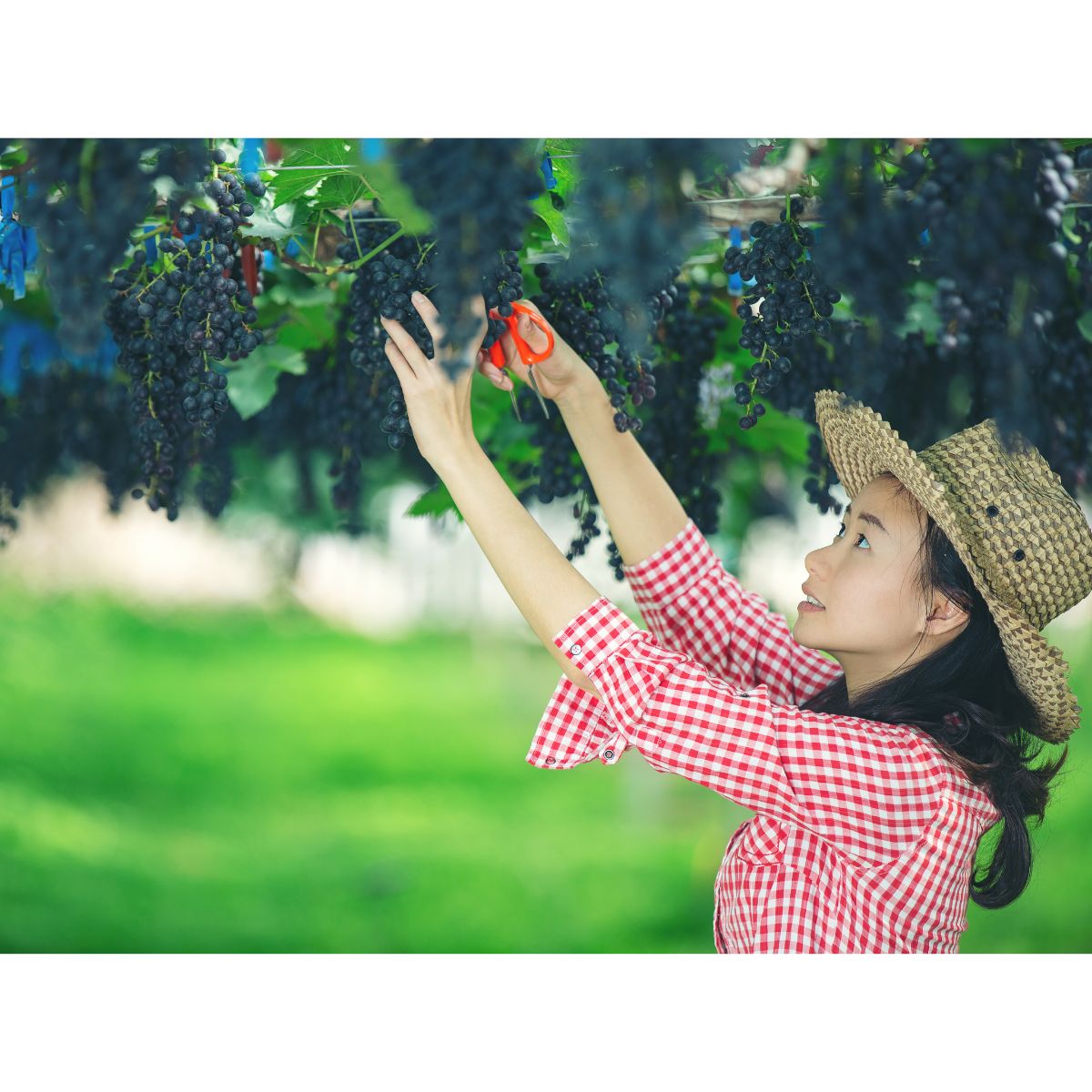
10. Calamondin Orange
Often used as an indoor-outdoor plant, this tiny citrus is incredibly hardy and produces small, sour fruits that are perfect for marmalades and drinks.
FAQ: Maximizing Small Orchard Yields
Which fruits are best for small gardens?
Berries (Strawberries/Blueberries) and Dwarf Citrus are top choices. If you want to grow fruit trees at home, look for labels that specifically mention “Dwarf Rootstock” or “Columnar” growth habits.
Which is the easiest fruit tree to grow?
The Fig tree is the most forgiving. It is rarely bothered by pests, doesn’t require complex pruning, and can survive periods of neglect that would kill a citrus or apple tree.
What is the lowest-maintenance fruit tree?
Pomegranate. They are naturally pest-resistant, drought-tolerant, and require very little fertilization. Once established, they practically grow themselves.
What is the best small tree for a small garden?
The Meyer Lemon wins for utility, but if you want beauty, the Patio Peach provides incredible spring blossoms followed by delicious fruit in a very small footprint.
Which plant grows in 2 months?
While trees take years, you can fill the gaps in your small garden with fast growers. Radishes and some leafy greens take 30–45 days. If you’ve grown tomatoes from seeds, you know that “early girl” varieties can produce fruit in about 55–60 days.
How do I make my garden grow faster?
- Soil Temperature: Use black mulch to warm the soil.
- Nutrition: Apply homemade organic fertilizers to provide an immediate nutrient boost.
- Aeration: Ensure your pots have excellent drainage to prevent “wet feet.”
The “Small Space” Strategy
The secret to success with small fruit trees is Container Management. In a small garden, the pot is the environment. Use a high-quality potting mix amended with 20% perlite for drainage and top-dress with compost every spring.
By utilizing these vertical and dwarf specimens, you turn a limited space into a high-yield “Food Forest.”