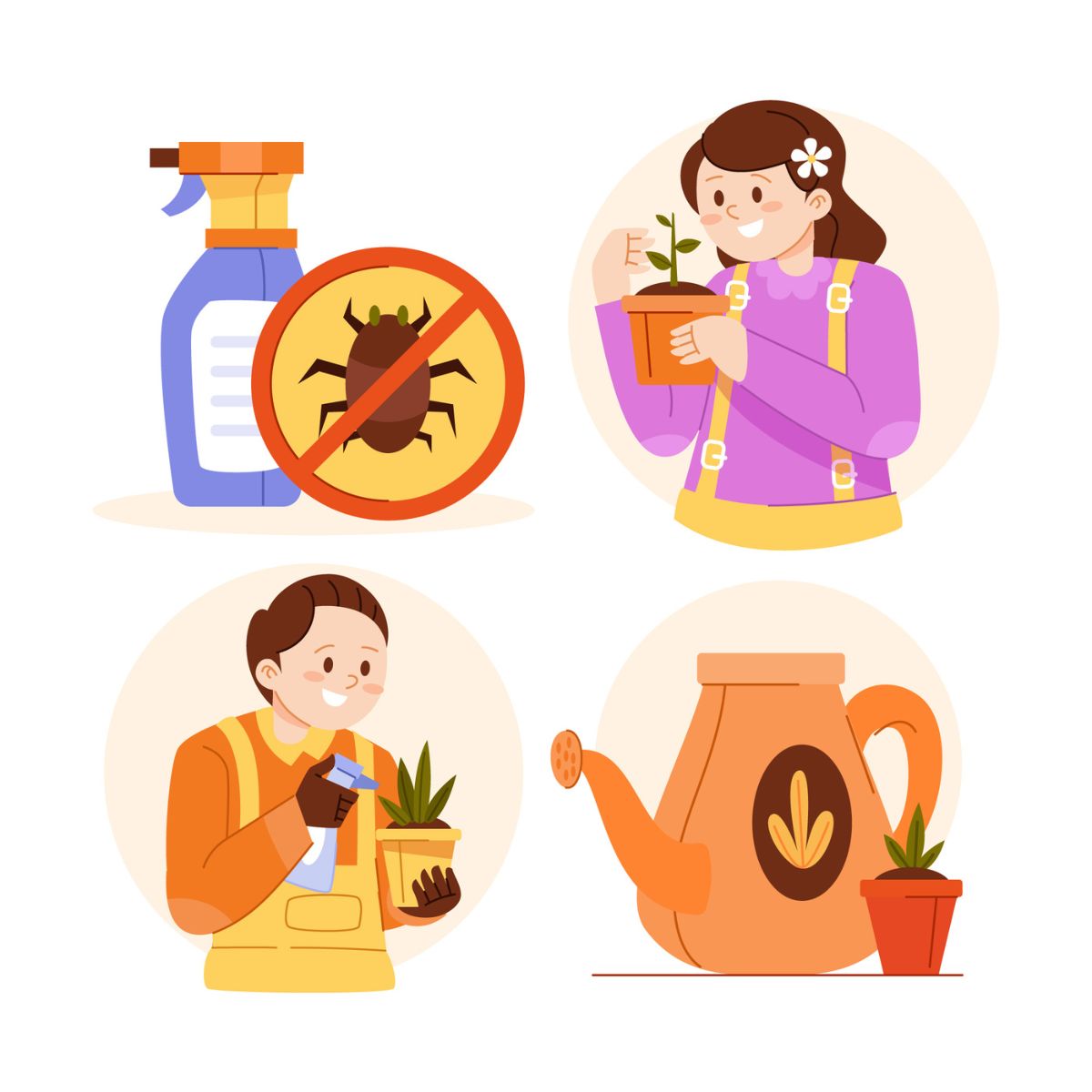
Simple Homemade Pest Spray Recipes Using Natural Ingredients
Homemade organic pest sprays are most effective when they are used strategically, not randomly. Each spray works by targeting a specific insect behavior – feeding, breathing, egg-laying, or scent detection. Understanding why each spray works is what separates successful organic gardeners from those who struggle with recurring infestations.
These recipes use household and garden-based ingredients, preserve beneficial insects when used correctly, and support long-term garden health rather than disrupting it.
1. Dish Soap Spray (Insecticidal Soap)
How It Works
Insecticidal soap destroys soft-bodied insects by breaking down their protective outer membranes, causing dehydration. It works on contact and leaves no harmful residue.
Best For
- Aphids
- Spider mites
- Whiteflies
- Thrips
Ingredients
- 1 teaspoon pure liquid soap (no degreasers, no fragrance)
- 1 liter of water
How to Use
Spray directly on insects, especially the underside of leaves, where pests hide. Repeat every 5–7 days if needed.
Why It’s Effective
Soap sprays are selective – effective against pests but largely harmless to beneficial insects when sprayed carefully.
2. White Oil Spray (Horticultural Oil)
How It Works
Oil sprays kill insects by suffocating eggs, larvae, and adults, blocking their breathing pores (spiracles).
Best For
- Scale insects
- Mealybugs
- Aphid eggs
Ingredients
- 1 tablespoon vegetable oil
- 1 teaspoon mild soap
- 1 liter of water
How to Use
Shake well before spraying. Apply in the early morning or evening.
Pro Insight
White oil is especially powerful for breaking pest life cycles, making it ideal for long-term control.
3. Tomato Leaf Spray
How It Works
Tomato leaves contain alkaloids (tomatine) that are toxic to many insects but safe for plants when diluted.
Best For
- Caterpillars
- Aphids
- Beetles
Ingredients
- 1–2 cups chopped tomato leaves
- 2 cups water
How to Use
Soak overnight, strain, dilute 1:1 with water, and spray foliage.
Organic Advantage
This spray repurposes garden waste and aligns perfectly with regenerative gardening practices.
4. Garlic Repellent Spray
How It Works
Garlic disrupts insects’ olfactory systems, making it difficult for them to locate host plants.
Best For
- Aphids
- Ants
- Caterpillars
Ingredients
- 1 crushed garlic bulb
- 1 liter of water
How to Use
Spray leaves and the surrounding soil weekly.
Why Gardeners Love It
Garlic doesn’t kill beneficial insects—it repels pests without ecological damage.
5. Hot Pepper Spray
How It Works
Capsaicin irritates insect nervous systems and deters feeding.
Best For
- Leaf-chewing insects
- Mammal pests (deer, rabbits)
Ingredients
- 1 tablespoon chili powder or blended hot peppers
- 1 liter of water
How to Use
Wear gloves. Spray leaves lightly and reapply after rain.
Important Note
Avoid spraying during flowering to protect pollinators.
6. Nettle Spray
How It Works
Nettle spray contains formic acid and minerals that repel insects and strengthen plant tissue.
Best For
- Aphids
- Mites
Ingredients
- Fresh nettle leaves
- Water
How to Use
Ferment for 24–48 hours, strain, dilute, and spray.
Dual Benefit
Acts as both a pest repellent and a mild foliar feed.
7. Baking Soda Spray (Fungal + Pest Support)
How It Works
Baking soda alters leaf surface pH, making it unsuitable for fungi and some insects.
Best For
- Powdery mildew
- Soft-bodied pests
Ingredients
- ½ teaspoon baking soda
- 1 liter of water
- 1 drop of soap
How to Use
Spray lightly every 7 days.
Proper watering reduces pest stress:
8. Milk Spray
How It Works
Milk proteins trigger plant immune responses and suppress fungal spores.
Best For
- Fungal disease prevention
- Minor pest deterrence
Ingredients
- 1 part milk
- 2 parts water
How to Use
Spray leaves in the morning.
9. Coffee Spray
How It Works
Caffeine is toxic to insects and disrupts feeding behavior.
Best For
- Slugs
- Ants
- Soft-bodied insects
Ingredients
- Used coffee grounds or brewed coffee
- Water
How to Use
Spray the soil surface and pest-prone areas.
10. Vinegar-Based Spray (Use With Extreme Caution)
How It Works
Acetic acid destroys plant tissue—this spray is not for foliage, only for weeds and ant trails.
Best For
- Ant paths
- Weeds (not pests on plants)
Warning
Never spray directly on garden plants.
Expert Tips for Maximum Effectiveness
Always identify pests first
- Spray during early morning or evening
- Rotate sprays to avoid resistance
- Combine sprays with healthy soil management
- Never rely on sprays alone—ecosystem balance matters
Frequently Asked Questions
Do homemade organic pest sprays really work?
Yes, when used correctly and combined with healthy gardening practices.
How often should I spray organic pest control?
Only when pests are present does overuse disrupt beneficial insects.
Are these sprays safe for vegetables?
Yes, when applied properly and washed before harvest.
Can I mix different sprays together?
No. Mixing can reduce effectiveness or harm plants.
Final Expert Insight
Homemade organic pest sprays are tools, not solutions by themselves. True pest control comes from healthy soil, strong plants, biodiversity, and informed intervention. When used as part of a holistic system, these sprays outperform chemical alternatives without damaging your garden’s future.