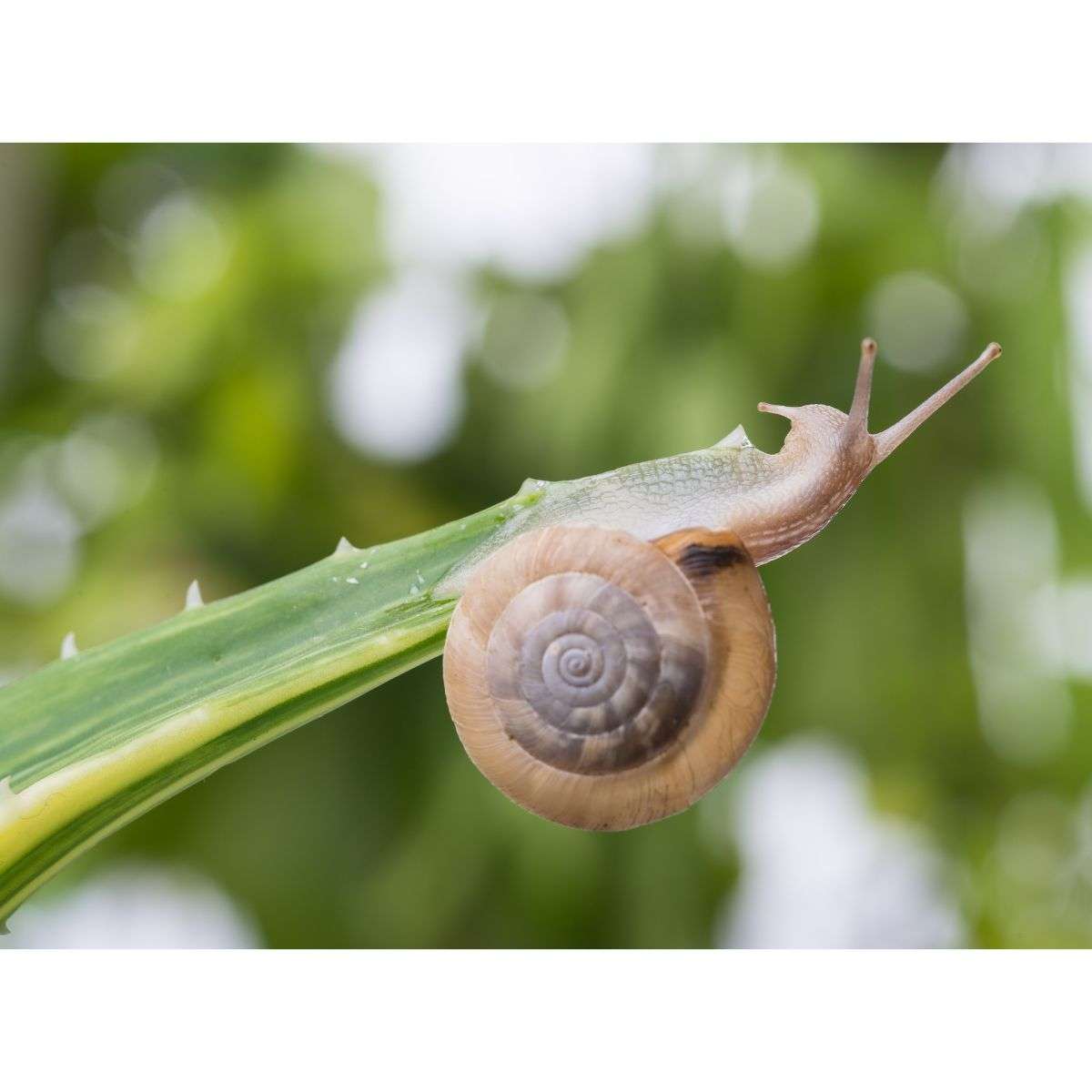
Stop Snails and Slugs Naturally: 10 Simple Ways to Protect Your Garden
1. Fix the Moisture Problem First
Why Your Garden Becomes a Slug Buffet at Night
Slugs and snails need moisture to survive. They can’t move across dry surfaces—their soft bodies lose too much water. A garden with wet soil surfaces at night is like rolling out a welcome mat.
Here’s what happens: You water in the evening. Soil stays damp overnight. Slugs emerge from hiding, slide across wet surfaces, and feast on your plants until dawn.
They’re not invading from nowhere—your watering habits are inviting them.
The Watering Pattern Feeding Them
Evening watering = slug paradise:
- The soil surface was wet all night
- Cool temperatures + moisture = maximum slug activity
- Plants can’t dry before peak feeding time
Overhead sprinklers make it worse: Leaves stay wet, creating highways for slugs to climb and feed higher up plants.
The Solution: Dry Surface, Moist Roots
Water early morning (6-9 AM):
- The soil surface dries by evening
- Roots still get deep moisture
- Slugs face dry, hostile conditions at night
Deep watering less frequently: Moisture stays below the surface where roots access it, but slugs don’t.
Check this: If the soil surface feels damp when the sun sets, you’re still feeding the problem. Adjust timing until the surface is dry by 6 PM.
This single change cuts slug damage by 50-70%.
2. Remove Every Hiding Spot
Where Slugs Hide During the Day
Slugs can’t survive in direct sun or dry conditions. They hide in dark, damp spots:
- Under boards, stones, pots
- Thick mulch layers touching plant stems
- Dense ground covers and leaf piles
- Gaps under the decking or sheds
- Inside empty pots lying on their side
- Under low-hanging leaves touching the ground
You walk past these spots daily without realizing they’re slug hotels.
When Good Practices Create Slug Habitat
Mulch: Great for moisture retention—also perfect slug shelter if too thick near plants.
Decorative stones: Look nice—create permanent slug condos underneath.
Raised bed edges: Trap moisture—slugs hide in the gap between the bed and the ground.
Solution isn’t removing these features—it’s managing them correctly.
Daily Micro-Cleaning Routine
Takes 5 minutes every morning:
- Flip items: Turn over pots, boards, and stepping stones. Expose hiding slugs to the sun (they die quickly when exposed).
- Clear debris: Remove dead leaves, pulled weeds, and anything creating shade and moisture at the soil level.
- Pull mulch back: Keep a 2-3 inch gap between mulch and plant stems. Slugs can’t hide directly next to plants.
- Eliminate clutter: Don’t leave tools, buckets, or random garden items on the ground—each becomes a shelter.
Slugs need 40+ hiding spots to sustain a population. Remove these consistently, and numbers crash within 2-3 weeks.
The keyword: consistently. One cleanup doesn’t work. Daily prevention does.
3. Protect Seedlings Before Attack
Why Seedlings Die First
Young plants have tender tissue that slugs prefer. A single slug eats an entire seedling overnight. Established plants survive partial damage—seedlings don’t.
Slugs know this, too. They target new growth, freshly transplanted seedlings, and emerging sprouts before anything else.
Simple Physical Guards
Plastic bottle collars (most effective):
- Cut the bottom off a plastic bottle (water bottles work perfectly)
- Remove the cap for ventilation
- Push 1-2 inches into the soil around the seedling
- Creates a barrier that slugs can’t cross
Works because: Slugs can’t climb smooth plastic. The collar protects until the plant grows strong enough to survive occasional nibbles.
Remove after 3-4 weeks when plants are established.
Copper rings: Work (copper gives slugs a mild electric shock), but they are expensive. Use for high-value plants only.
Eggshell barriers: Somewhat effective when sharp and dry. Lose effectiveness when wet. Needs frequent replacement.
Containers vs Ground Plants
Ground plants: Need collars or barriers at the soil level.
Container plants: Easier to protect. Place the container on the feet/risers, coat the rim with petroleum jelly or copper tape. Slugs can’t climb smooth, elevated surfaces.
Hanging baskets: Nearly slug-proof naturally. Consider vulnerable crops like lettuce during peak slug season.

4. Create Barriers They Can’t Cross
Physical Barriers That Work
Diatomaceous earth (DE):
- Microscopic, sharp edges cut slug bodies
- Sprinkle a 2-3 inch wide band around plants
- Reapply after rain (loses effectiveness when wet)
Crushed eggshells:
- Sharp edges deter slugs
- Add calcium to the soil as they decompose
- Need a thick layer (1 inch+) to work
- Refresh monthly
Wood ash:
- Alkaline substance slugs avoid
- Absorbs moisture from their bodies
- Turns to mud when wet (reapply needed)
Coarse sand or grit:
- Creates an abrasive surface
- Works better than fine sand
- Doesn’t wash away as easily
Why Barriers Fail
Common mistakes:
Too narrow: Slugs will cross a 1-inch barrier. Need a minimum of 3-4 inches wide.
Too thin: Light sprinkle doesn’t work. Create a thick, visible band.
Wrong placement: Barrier 6 inches from the plant base is useless. Place immediately around the stem/base.
No maintenance: Rain, wind, and watering disrupt barriers. Check and refresh weekly.
Correct Application
Create rings: Complete circles around individual plants, not random lines.
Overlap barriers: Use 2-3 different types (DE inner ring, eggshells outer ring) for redundancy.
Refresh schedule: After every rain or every 5-7 days minimum.
Works best for: High-value plants (tomatoes, peppers) where effort is worth it. Less practical for large garden areas.
5. Change Your Watering Schedule
Morning Watering Transforms Control
The timing shift that changes everything:
Evening watering (6-9 PM):
- Soil is wet all night = slug highway
- Maximum feeding damage
- Population thrives
Morning watering (6-9 AM):
- The soil surface dries by evening
- Slugs face hostile dry conditions during peak activity
- Damage drops 60-80%
It’s this simple. Same water amount. Same plants. Different timing. Massive reduction in damage.
Managing Surface Moisture
Around vulnerable plants specifically:
Use drip irrigation or soaker hoses instead of overhead sprinklers. Keeps water at the root level, surface dries faster.
Water deeply but infrequently instead of light daily watering. Surface stays drier more often.
Pull back mulch temporarily around newly planted seedlings. Sacrifice some moisture retention for slug protection first 2-3 weeks.
The Overwatering Connection
Constantly soggy soil = permanent slug population.
Even morning watering doesn’t help if you’re overwatering. Soil that never dries creates a 24/7 slug habitat.
Check this: Does the soil at 2-3 inches stay constantly wet? You’re overwatering and feeding the slug problem.
Fix: Water only when the top 2-3 inches dry out. Most plants need this less often than people think.
See more: How Often Should You Water Garden Plants?
See more Vegetable Watering Schedule Most Gardeners Get Wrong
Read more 10 Smart Ways to Save Water in the Garden
Read more Automatic Drip and Mist Irrigation Kit
6. Trap Them Effectively
Where Traps Work
Traps succeed when:
- Placed along slug travel routes (edges of beds, near ground cover)
- Checked and emptied daily (full traps stop working)
- Used during peak season (spring and fall)
Traps fail when:
- Randomly placed in the middle of the garden
- Checked weekly (creates breeding grounds instead of traps)
- Expected to “solve” the problem alone
Beer Trap Reality Check
How it works: Bury the container so the rim is ground-level. Fill with beer (cheap is fine). Slugs attracted to yeast, drown in liquid.
The truth: Attracts slugs from 20+ feet away. You might be drawing in your neighbor’s slugs.
Better approach: Use traps as monitoring/counting tools, not primary control. Place near problem plants to catch local slugs, not broadcast an invitation.
Hand-picking is Most Effective
Go out at night with a flashlight (9-11 PM):
Slugs are actively feeding—easy to spot. Drop into a bucket of soapy water.
One night of thorough picking removes more slugs than weeks of passive trapping.
Squeamish? Use gloves and tongs. Or leave them for morning sun (which kills them on contact).
Do this 3-4 nights weekly for 2 weeks during peak damage periods. The population crashes dramatically.
Preventing Reinfestation from Nearby
Slugs travel. Neighboring yards, wild areas, and compost piles all harbor populations that migrate.
Create buffer zones:
- Keep grass mowed short around garden edges (no slug shelter)
- Remove ground cover along property lines
- Place gravel or crushed stone barriers between wild areas and the garden
You can’t control neighbors’ yards, but you can make the journey to your garden inhospitable.
7. Welcome Natural Predators
The Free Slug Control Team
Ground beetles: Eat slug eggs and young slugs. Active at night like their prey.
Toads: A single toad eats 50-100 slugs per night. Happily lives in gardens with a water source and shelter.
Birds: Thrushes, blackbirds, and robins actively hunt slugs and snails.
Ducks (if you have space): Most effective slug control available. Will clear the garden of slugs within days.
Garter snakes: Eat slugs, snails, and their eggs.
How to Attract Them
For ground beetles:
- Leave some leaf litter in corners (beetle shelter—NOT slug shelter if kept away from plants)
- Minimize pesticides (even organic ones kill beetles)
- Provide log piles or rock walls
For toads:
- Create a toad house (overturned clay pot with an entrance hole)
- Shallow water dish (they need moisture)
- Dense plantings for cover
For birds:
- Install bird houses and feeders
- Leave some bare soil areas (easier slug hunting)
- Create brush piles for shelter
What Accidentally Removes Predators
Over-tidying: Perfectly manicured gardens have no predator habitat.
Slug pellets (even “organic” ones): Kill slugs that predators would eat, removing a food source. Some pellets poison predators directly.
Night lights: Ground beetles are nocturnal—bright outdoor lights disrupt their hunting.
Eliminating “weedy” edges: Wild-looking borders provide predator habitat. Don’t need to be messy—just diverse.
Balance means accepting some slugs. They’re predator food. Zero slugs = no predators. Small population kept in check naturally = sustainable control.
See more 11 Ways to Attract Bees and Butterflies Naturally
See more Best Pollinator-Friendly Plants for Backyard Gardens
8. Design Garden to Block Slug Travel
How Slugs Navigate
Slugs prefer: Leaf-to-leaf contact, continuous ground cover, shaded moist paths.
Slugs avoid: Open spaces, dry ground, full sun areas, gaps between plants.
Your garden design either facilitates or prevents slug movement.
Strategic Plant Spacing
Problem spacing: Plants touching = slug highway. They move from plant to plant without touching the ground.
Better spacing: 6-12 inch gaps between plants. Forces slugs to cross open, dry ground (which they hate).
Yes, this sacrifices some space efficiency. But plants that survive slug damage produce more than crowded plants that get destroyed.
Raised Beds and Edge Control
Raised beds help IF:
- Sides are smooth and vertical (wood, composite)
- Copper tape applied to the top edge
- No plants touching ground outside the bed
- Mulch inside the bed pulled back from the edges
Raised beds fail when:
- Built from stacked stones (slugs hide in gaps)
- Vegetation touching sides (creates slug ladder)
- Edges buried or sloped (easy access)
Best material: Smooth metal or composite lumber with copper tape barrier at top.
Container Protection
Containers = easiest slug protection:
Do this:
- Place on pot feet/risers (creates a gap slugs won’t cross)
- Apply petroleum jelly or copper tape around the rim
- Keep plants pruned so no leaves touch the ground
- Place in sunny locations (slugs avoid dry heat)
Container gardening near the house often has fewer slug problems than ground beds (less habitat nearby, typically drier conditions).
Read more: Don’t Plant Anything Until You See These Garden Layout Ideas
Read more Vegetable Gardening for Beginners: A Masterclass in Edible Landscapes
9. Emergency Protection During Wet Weather
Why Rain Triggers Slug Explosions
Wet weather = slug paradise:
- Daytime activity increases (normally nocturnal)
- Movement unrestricted (no dry barriers work)
- Eggs hatch in moist soil
- The population seems to appear from nowhere
Reality: They were always there. Rain just allows maximum activity and reproduction.
Before the Deluge Hits
When the forecast shows 3+ days of rain:
Night before rain starts:
- Hand-pick slugs (last chance before they’re unstoppable)
- Apply fresh barriers around the most vulnerable plants
- Move container plants under cover if possible
- Prune low leaves touching the ground (reduces access)
During rainy period: 5. Check plants every morning (more slugs visible in daylight when wet) 6. Hand-pick any you see 7. Apply barriers in dry moments (they’ll wash away, but give temporary protection)
Temporary Shields
Floating row covers: Lightweight fabric over plants. Creates a physical barrier. Remove once rain stops (plants need air circulation).
Cloches: Individual plant covers (plastic bottles, glass jars). Use for seedlings and high-value plants during the worst conditions.
Petroleum jelly on stems: Temporary barrier. Reapply after heavy rain. Works for 1-2 days max.
Post-Rain Inspection Routine
Morning after rain stops:
Walk garden checking:
- New damage (shows which plants slugs prefer)
- Slug trails (shiny slime marks showing movement patterns)
- Hiding spots to flip (slugs retreat to daytime shelter)
This is when you’ll find the most slugs—right after the rain stops, before the soil dries.
Serious control happens in the 2-3 days after rain. Attack aggressively, then prevent rebound.
Read more 15 Proven Tips to Protect Your Plants in Summer Heat
10. Long-Term Prevention
Breaking the Egg Cycle
One slug lays 400-500 eggs per year. If you only kill adults, babies hatch continuously from the soil.
Slug eggs:
- Tiny, clear/white, in clusters
- Laid in soil (top 2-3 inches)
- In damp, dark areas
- Hatch in 2-4 weeks
Finding and destroying eggs:
When tilling or planting, watch for: Clusters of pearl-like eggs just under the surface. Exposure to the sun (they desiccate) or crushing.
Chickens and ducks: Scratch the soil surface, eat eggs. Best natural egg control.
Ground beetles: Also eat eggs. Another reason to encourage them.
Seasonal Cleanup That Actually Works
Fall cleanup (critical):
- Remove all dead plant material (slug overwintering sites)
- Clear leaf litter from beds (leave some in corners for beneficials)
- Eliminate garden debris, unused pots, and boards
- Cut back dense ground covers
- Remove weeds that provide shelter
This reduces the overwintering population by 70-80%.
Spring cleanup:
- Same process before new growth starts
- Targets eggs laid in the fall that are ready to hatch
Don’t wait until you see damage. Cleanup before the season starts prevents the population from establishing itself.
Building Self-Protecting Ecosystem
Year 1: Implement all tactics above. Labor-intensive but establishes control.
Year 2: Population naturally lower. Focus on predator habitat and prevention. Less emergency intervention is needed.
Year 3+: Balanced ecosystem. Slugs are present but controlled by predators. Minimal damage. Occasional hand-picking during wet weather.
The goal isn’t zero slugs (impossible, unnecessary). It’s keeping the population below the damage threshold naturally.
Success looks like: Plants thriving despite occasional nibbles. Not spending every evening hunting slugs. Predators are doing the work for you.
Real-Life Scenario: What Actually Works
Here’s what typical control looks like:
Week 1: Assessment and Attack
Monday night: Go out with a flashlight. Hand-pick 50+ slugs. Feel disgusted but empowered.
Tuesday morning: Switch watering to 7 AM instead of 6 PM.
Wednesday: Make bottle collars for all seedlings. Takes 20 minutes.
Thursday: Remove every piece of garden clutter, creating hiding spots. Find 30 slugs under stuff.
Friday morning: Apply diatomaceous earth barriers around tomatoes and peppers.
Weekend: Deep clean beds. Pull back mulch from plant stems. Check traps.
Week 2: Maintenance Mode
Daily 5-minute check: Flip pots and boards, hand-pick any slugs found.
Continue morning watering.
Refresh barriers after watering or rain.
Notice: Damage reduced by 50%. Population shrinking.
Week 3-4: Population Collapse
Damage nearly stopped. Occasional slug seen, but population under control.
Maintenance: Daily hiding spot checks, morning watering, and weekly barrier refresh.
Predators appearing: Toads, ground beetles moving in.
Ongoing (Month 2+):
Minimal effort needed. Quick morning check. Emergency hand-picking during rainy periods.
Established plants handle occasional damage without issue.
This is sustainable control—not a winning battle, preventing war.
FAQ
1. Why do snails and slugs keep coming back even after I remove them every night?
Because you removed the feeders, not the source.
They hide in moist, dark places (soil cracks, mulch, pots, bricks, weeds).
Also, they lay hundreds of tiny eggs in soil that hatch later.
So new ones keep appearing.
Fix: remove hiding spots + dry the surface soil + morning watering + break the life cycle.
2. What smells or materials make slugs stay away from plants permanently?
Nothing works 100% permanently, but they strongly avoid:
- Dry surfaces
- Rough textures
- Copper contact
- Strong herbs (mint, rosemary, garlic)
- Hot + sunny areas
The real “permanent” solution = make your garden dry at night.
3. Is watering at night really causing my slug problem?
Yes — this is the #1 cause.
Night watering = wet soil + cool temperature
= perfect feeding time
They eat safely until sunrise.
Water early morning only. Soil dries before night → activity drops massively.
4. Which plants attract slugs the most in a home garden?
They love soft, juicy leaves:
- Lettuce
- Spinach
- Cabbage
- Seedlings
- Marigold
- Basil
- Strawberries
They ignore tougher or scented plants more often.
5. Do coffee grounds actually stop snails, or is it a myth?
Partly myth.
Fresh dry coffee grounds can slow them temporarily.
But once wet → useless.
Works only as a short barrier, not a solution.
6. Why are my seedlings eaten overnight, but bigger plants survive?
Seedlings have:
- soft tissue
- no protective skin
- strong moisture smell
Mature plants develop thicker leaves and defensive chemicals.
So slugs always attack babies first.
7. Are eggshells and sand really effective barriers or just internet advice?
Mostly internet advice
After rain, they become soft → slugs cross easily.
They only work in very dry climates.
8. How do I protect potted plants from slugs on a balcony?
They climb walls and pipes at night.
Best real fixes:
- Elevate pots (no ground contact)
- Keep the area dry at night
- Check under pots
- Remove standing water trays
Balcony gardens often get slugs from nearby walls.
9. What weather conditions cause sudden slug explosions after rain?
Warm + cloudy + humid nights
= breeding trigger
Eggs hatch rapidly, and they travel far because the ground stays wet.
This is why, after rain, your plants disappear in one night.
10. Can a garden ever become naturally slug-resistant over time?
Yes
A balanced garden builds predators:
- beetles
- birds
- frogs
- lizards
Plus, drier soil surface and stronger plants reduce damage.
You won’t eliminate them, but damage becomes minimal.