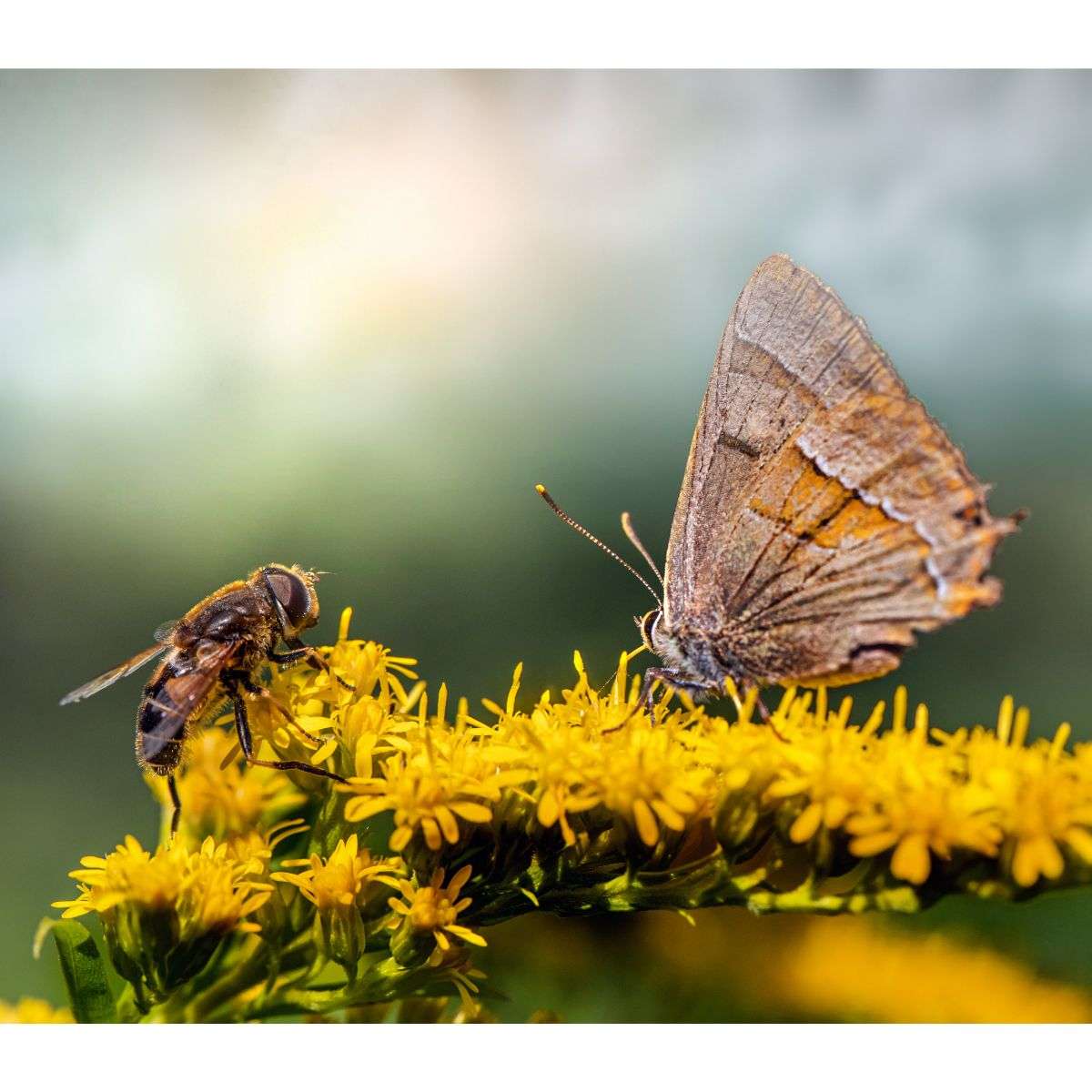
How to Attract Bees and Butterflies Naturally: 11 Proven Garden Tips
Transform your garden into a thriving pollinator paradise with simple, proven strategies that bring bees and butterflies back – naturally and permanently.
Why Bees and Butterflies Are Avoiding Your Garden
Missing the Right Food Sources
Most gardens lack the nectar and pollen diversity that pollinators need. Modern ornamental flowers often look beautiful but offer little nutrition. Double-petaled roses, sterile hybrids, and heavily bred flowers may have no accessible pollen or nectar at all.
Bees need pollen for protein to feed their young. Butterflies need nectar for energy. Without both, they simply fly past your garden searching for better feeding grounds.
Chemical Contamination Keeping Pollinators Away
Even “bee-friendly” plants from nurseries often contain systemic pesticides that persist for months. These chemicals concentrate in pollen and nectar, poisoning or repelling the very pollinators you’re trying to attract.
Lawn treatments, mosquito sprays, and garden pesticides create invisible barriers. Bees can detect chemical residues and avoid contaminated areas entirely.
No Food When They Need It Most
A garden that blooms spectacularly in June but offers nothing in April or September fails pollinators. Early spring bees emerge hungry after winter. Fall migrants need fuel for long journeys. Without continuous bloom, pollinators visit once and never return.
Poor Plant Arrangement
Scattered individual flowers force pollinators to burn more energy searching for food than they gain from feeding. Single plants dotted throughout a landscape are nearly invisible to passing bees and butterflies.
Missing Essential Habitat Elements
Pollinators need more than flowers. Native bees require bare soil for nesting. Butterflies need protected spots to warm their wings in the morning sun. Without water sources, shelter from wind, and safe resting areas, even flower-filled gardens remain empty.
Way 1: Plant Nectar-Rich Flowers Pollinators Actually Use
Quality Over Quantity
A small garden with five species of native wildflowers attracts more pollinators than an acre of ornamental petunias. Nectar concentration matters more than flower count.
High-value flowers produce: 20-35% sugar concentration in nectar, abundant, accessible pollen, and strong floral scents that broadcast “food here” signals.
Low-value flowers offer: Dilute nectar under 15% sugar, hidden or absent pollen, and weak scents that pollinators can’t detect.
Single Blooms Beat Decorative Doubles
Garden centers sell flowers bred for human aesthetics—layers of petals, unusual colors, compact growth. These traits often eliminate the reproductive parts pollinators need.
Choose: Single-flowered varieties where stamens and pistils are clearly visible.
Avoid: “Double” or “fully double” flowers like hybrid tea roses, carnations, and double impatiens. These are deadends for hungry pollinators.
Match Flower Shape to Pollinator Type
For bees: Open, flat flowers (sunflowers, asters, daisies) and tubular flowers they can crawl into (salvias, penstemons).
For butterflies: Flat landing platforms with clustered small flowers (yarrow, butterfly bush, zinnias) and tubular flowers with accessible nectar (phlox, bee balm).
For both: Native plants evolved with local pollinators, so they naturally fit together.
Way 2: Prioritize Native Plants for Your Region
Why Native Plants Win
Native bees and butterflies evolved alongside native plants for thousands of years. They recognize the flowers, know the bloom times, and can efficiently extract food.
A native oak tree supports 557 caterpillar species (essential bird and butterfly food). A non-native ginkgo supports only 5 species.
Research shows: Gardens with 70%+ native plants host 4 times more bee species than gardens with mostly non-natives.
Native vs Non-Native Reality
Not all non-natives are worthless. Mediterranean herbs like lavender provide excellent nectar when native options aren’t blooming. But the foundation of your pollinator garden should be regionally appropriate native plants.
Find native plants for your area: Contact your local native plant society, cooperative extension office, or search “native plants [your state/region].”
Regional examples:
- Northeast: New England aster, black-eyed Susan, wild bergamot
- Southeast: Coreopsis, blazing star, passionflower
- Midwest: Purple coneflower, wild lupine, prairie dropseed
- Southwest: Desert marigold, penstemon, California poppy
- Northwest: Oregon grape, red-flowering currant, seashore lupine
Avoiding Sterile Cultivars
Many garden varieties are intentionally bred to be sterile, producing no seeds and often no pollen. These are biological deserts for pollinators.
Watch for labels: “Sterile,” “seedless,” or variety names ending in odd numbers often indicate limited pollinator value.
Better choice: Straight species or minimally bred cultivars that maintain reproductive function.
Way 3: Create Continuous Bloom Spring Through Fall
Early Spring Early Spring Rescues Hungry Bees
Queen bumblebees and solitary bees emerge in March-April with depleted energy reserves. Early nectar sources mean survival or death.
Essential early bloomers:
- Crocuses, snowdrops, and early bulbs
- Willow and maple trees (pollen powerhouses)
- Native violets, trout lily, Virginia bluebells
- Hellebores and lungwort
Target: Something blooming when temperatures first reach 50-55°F consistently.
Summer Abundance for Peak Activity
June through August is easiest—most garden plants bloom now. Focus on long-blooming perennials rather than short-lived annuals.
Summer workhorses:
- Purple coneflower (blooms 6-8 weeks)
- Black-eyed Susan (self-seeds for continuous bloom)
- Bee balm, mountain mint, catmint
- Zinnias and cosmos (deadhead for rebloom)
Fall Flowers for Migration and Winter Prep
September and October are critical. Monarchs need fuel for 2,000+ mile migrations. Bees stock hives for winter. Fall flowers are the last gas station before a long journey.
Essential fall bloomers:
- Native asters (175+ species across North America)
- Goldenrod (supports 115 native bee species)
- Sedum, Joe Pye weed, sunflowers
- Allow herbs to flower (basil, oregano, sage)
Strategy: Aim for at least 3 different species blooming in each season. More is better.
Way 4: Group Plants in Clusters
Why Clustering Works
Pollinators forage efficiently by working one area thoroughly before moving on. Three of the same plant together create a visible target. Ten plants together become a destination.
A butterfly can visit 50 flowers without flying more than a few feet, conserving energy for reproduction rather than endless searching.
Ideal Grouping Size
Minimum: 3 plants of the same species together
Better: 5-7 plants creating a 3-foot diameter patch
Best: Drifts of 10+ plants for maximum visibility
Spacing within groups: Plant closer than normal recommendations (1-2 feet apart for most perennials). Overlapping bloom creates solid color masses.
Color and Pattern Visibility
Bees see: Blue, purple, white, yellow—but not red (appears black to them)
Butterflies see: Red, orange, pink, purple, yellow—full color spectrum
Planting pattern:
- Cluster same colors together (5 purple coneflowers, not scattered rainbow)
- Use contrasting colors in adjacent groups (yellow coreopsis next to purple salvia)
- Position tall plants behind short ones so all are visible
Human eye vs pollinator eye: What looks “cottage garden charming” to us (one of everything scattered around) is chaos to pollinators. Simple repeating patterns work better.
Way 5: Provide Host Plants for Butterfly Life Cycles
Nectar Plants vs Host Plants
Adult butterflies drink nectar from many flowers. But caterpillars are specialists—most eat only 1-3 specific plant species.
No host plants = no butterflies long-term. Visiting adults won’t stay or reproduce without places to lay eggs.
Examples of host plants:
- Monarchs: Only milkweed species (Asclepias)
- Swallowtails: Parsley, dill, fennel, rue
- Painted ladies: Hollyhocks, mallow, thistles
- Fritillaries: Native violets
- Sulphurs: Clover, alfalfa, vetch
Supporting Caterpillars in Your Garden
Plant extras: Grow more parsley than you need. Caterpillars will eat some; you’ll still harvest plenty.
Create designated areas: Let one section of lawn grow tall with clover and violets—perfect for skipper butterflies and fritillaries.
Don’t spray anything: Bt (Bacillus thuringiensis), even though organic, kills all caterpillars, including butterflies.
Accept Leaf Damage as Success
Chewed leaves on milkweed? Perfect! You’re raising monarchs. Parsley stems stripped bare? Congratulations—you’ll have swallowtails soon.
Mindset shift: Caterpillars eating leaves means your garden is working. This is the goal, not a problem to solve.
Most host plants recover quickly. The same milkweed that looks ragged in July blooms beautifully again by August.
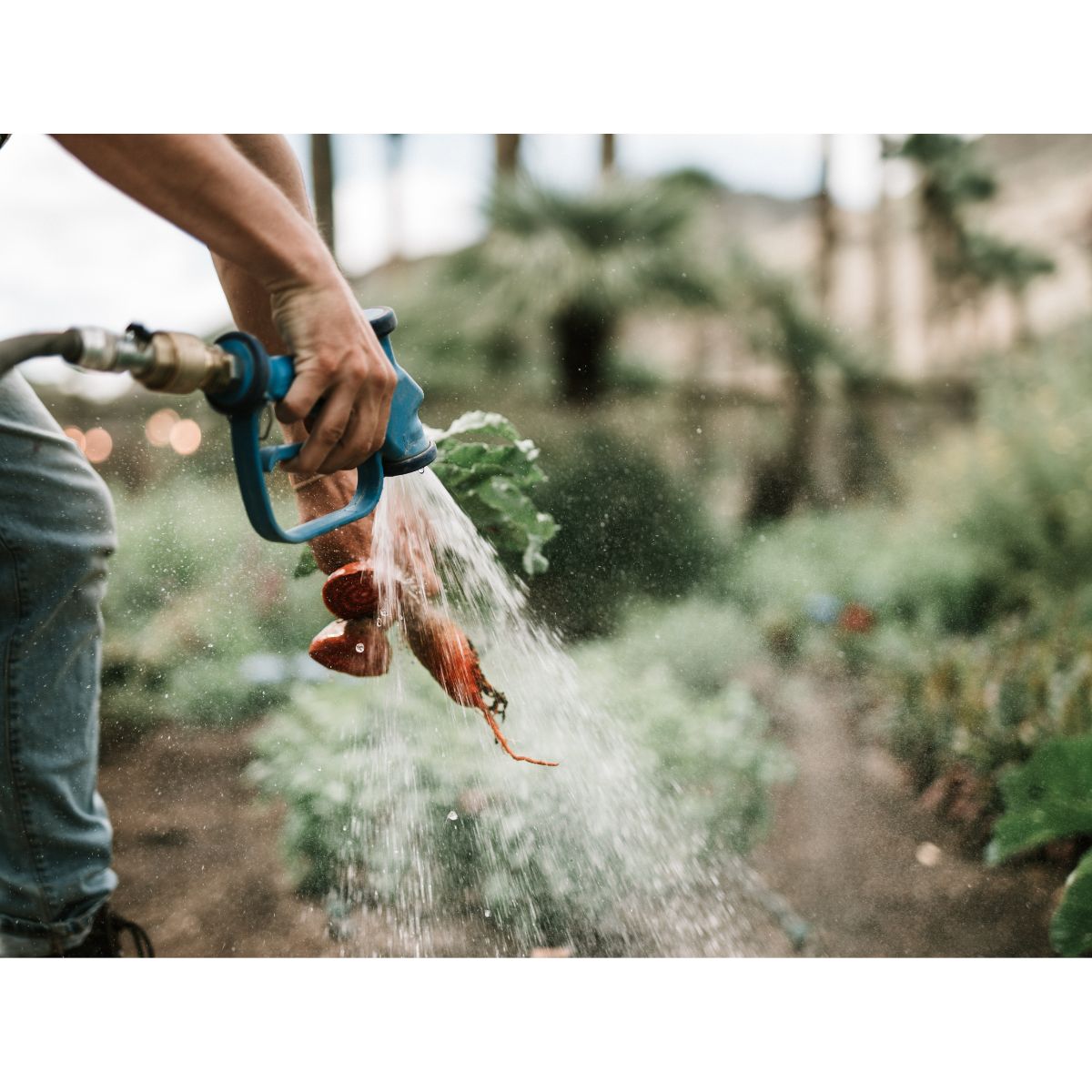
Way 6: Add Safe Water Sources
Why Pollinators Need Water
Bees use water to cool hives and dilute honey for feeding larvae. Butterflies extract minerals from moist soil (called “puddling”). All pollinators need hydration, especially during hot weather.
Traditional birdbaths drown more pollinators than they help—the water is too deep and the sides too slippery.
Creating Pollinator-Friendly Water Stations
Shallow dishes:
- Fill saucers or plates with water
- Add pebbles, marbles, or stones, creating islands
- Water should be 1/4 to 1/2 inch deep maximum
- Refill daily in hot weather
Mud puddles for butterflies:
- Create a shallow depression in the soil
- Keep consistently moist (not flooded)
- Add a pinch of salt (butterflies crave minerals)
- Position in sunny spots
Dripping water:
- Slow drip from the hose on the rocks
- Movement attracts pollinators’ attention
- Creates moist surfaces for drinking
Preventing Drowning
Always provide landing surfaces. Bees and butterflies walking on the water surface inevitably fall in and drown without escape routes.
Safe access: Sloped edges, floating cork pieces, twigs leaning into water, or densely packed pebbles rising above water level.
See more How Often Should You Water Garden Plants?
See more Automatic Drip and Mist Irrigation Kit
Read more 10 Smart Ways to Save Water in the Garden
Read more Vegetable Watering Schedule Most Gardeners Get Wrong
Way 7: Eliminate All Harmful Chemicals
How Pesticides Kill Pollinators
Direct contact: Sprays kill on contact. Many “bee-safe” products still harm butterflies, native bees, and beneficial insects.
Systemic contamination: Neonicotinoids and other systemic pesticides absorb into plant tissues. Pollen and nectar become poisonous for months.
Sublethal effects: Low doses don’t kill immediately but impair navigation, reduce reproduction, and weaken immune systems. Bees can’t find their way home. Butterflies lay fewer eggs.
Hidden Dangers in “Garden-Safe” Products
Misleading labels:
- “Pollinator-friendly” may only mean “won’t kill honeybees” (but harms 3,999 other bee species)
- “Organic” doesn’t mean harmless (pyrethrin, rotenone, and neem kill beneficials)
- “Once-dry safe” ignores residues that persist
Even worse: Ornamental plants from garden centers often contain systemic pesticides from production. These persist 1-2 years after purchase.
Solution: Buy from native plant nurseries that guarantee pesticide-free production, or grow from seed.
Natural Pest Control That’s Truly Safe
Prevention first:
- Healthy soil = resistant plants
- Diverse plantings = natural predators
- Hand removal of pests before populations explode
Physical barriers:
- Row covers exclude pests
- Copper tape for slugs
- Yellow sticky traps for aphids (away from flowers)
Accept some damage: Healthy ecosystems have pests AND predators in balance. Perfection kills pollinators.
Way 8: Build Healthy Soil for Better Flowers
Soil Quality Affects Nectar Production
Plants grown in depleted soil produce flowers with lower nectar concentration and less attractive scents. Think of it like the difference between homegrown tomatoes and grocery store tomatoes—nutrition shows.
Studies show native plants in rich, living soil produce 30-40% more nectar than the same species in poor soil.
Compost Powers Pollinator Plants
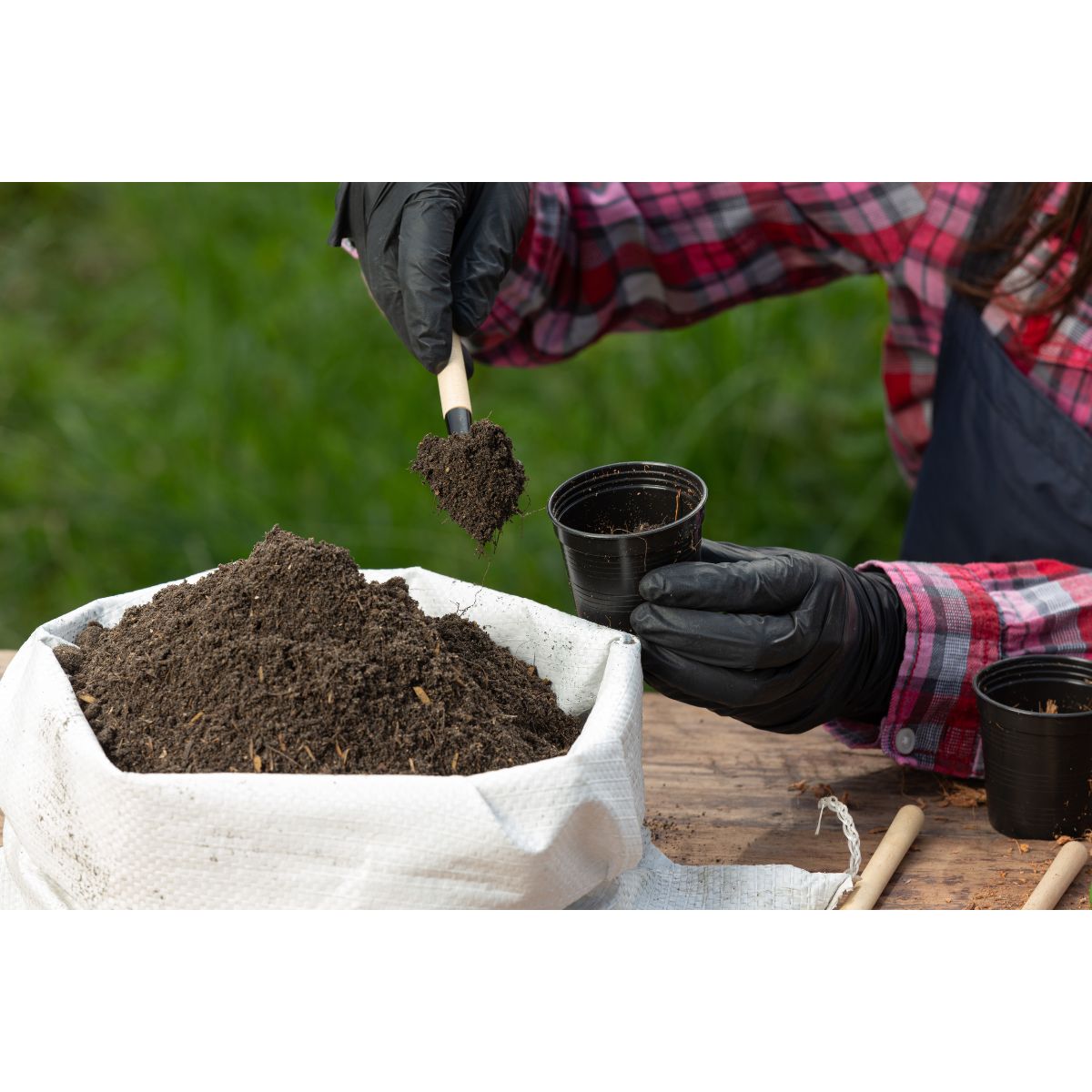
Add 2-4 inches of compost annually. This provides slow-release nutrients, improves water retention, and feeds billions of beneficial soil microbes.
Benefits:
- Flowers bloom longer
- Colors intensify
- Scent production increases
- Plants resist drought and disease
No synthetic fertilizers needed: Compost provides everything most wildflowers need.
The Over-Fertilization Problem
High nitrogen fertilizers force lush leaf growth at the expense of flowers. Plants produce more foliage and fewer blooms.
For pollinators: Lean, moderate fertility produces the best flowers. Native wildflowers evolved in average soils, not rich garden beds.
Strategy: Fertilize vegetables and annuals moderately. Leave perennial wildflower beds unfertilized after initial compost application.
See more A Masterclass on How to Make Your Own Compost at Home
See more Best Organic Fertilizers for Vegetables (Natural & Safe)
Read more Top 10 Natural Ways to Improve Garden Soil
Read more 5 Tips to Prepare Soil for a Vegetable Garden
Way 9: Leave Natural Nesting and Shelter Areas
Why Bare Soil Matters
70% of native bee species nest in the ground. They dig tunnels in bare, undisturbed soil—not in lawns, mulch, or plantings.
Create nesting sites:
- Leave 3-4 square feet of bare, south-facing soil
- Keep it weed-free, but don’t disturb it
- Avoid mulching these areas
- Protect from foot traffic
Ideal location: Well-drained soil with morning sun exposure.
Standing Stems and Plant Debris
Resist fall cleanup! Hollow stems house 30% of native bee species. Leaf litter shelters overwintering butterflies and beneficial insects.
Leave until spring:
- Perennial stems standing 12-18 inches tall
- Ornamental grass clumps uncut
- Leaf litter 2-4 inches deep (not on lawn)
- Brush piles in out-of-the-way corners
Cut in late spring: Wait until temperatures consistently reach 50-55°F for 2 weeks. This ensures that overwintering insects have emerged.
Over-Cleaning Kills Habitat
Gardening habits that harm pollinators:
- Cutting everything to the ground in the fall
- Removing all leaf litter
- Mulching to bare soil everywhere
- Burning or discarding plant debris
- Tilling annually
Better approach: Embrace a “messy” aesthetic. Stack brush. Let seed heads stand. Allow leaves to remain. This creates a living habitat, not sterile landscaping.
Way 10: Design for Sun, Shelter, and Safety
Sunlight Is Essential
Pollinators are most active in full sun. Cold-blooded insects need warmth to fly. Nectar production peaks in sunny conditions.
Site requirements:
- Minimum 6 hours of direct sun for pollinator gardens
- 8-10 hours is ideal for maximum activity
- Morning sun is especially important (warms pollinators for the day’s foraging)
Shade strategies: Partial shade gardens can work with woodland wildflowers (spring ephemerals, native columbine, foamflower) that bloom before trees leaf out.
Wind Protection Increases Visits
Strong winds make flying difficult and dangerous. Pollinators avoid exposed, wind-swept areas even if flowers are perfect.
Create windbreaks:
- Fence or hedge on the windward side
- Shrubs as backdrop for flower beds
- Position gardens near buildings or walls
- Plant tall perennials (Joe Pye weed, ironweed) on edges
Wind reduction of even 20-30% doubles pollinator activity.
Basking and Resting Spots
Flat stones in the sun: Butterflies bask on warm surfaces, raising body temperature before flying. Place flat rocks near flowers where they can warm up.
Sheltered perches: Small twigs and stems provide resting spots. Dense shrubs offer protection during rain and wind.
Open ground: Some bees rest on bare soil or mulch between foraging trips. Don’t pave or deck everything—leave natural surfaces.
Way 11: Maintain Your Pollinator Garden Long-Term
Seasonal Maintenance That Doesn’t Harm Pollinators
Spring (after last frost):
- Cut back dead stems after new growth starts
- Leave cut stems in piles—bees are still emerging from them
- Divide overcrowded perennials
- Add compost
Summer:
- Deadhead spent blooms on repeat bloomers
- Let seed heads form on others (bird and pollinator food)
- Water during drought
- Monitor but accept some leaf damage
Fall:
- Plant spring bulbs
- Add new perennials (they establish better in fall)
- Leave everything standing—don’t cut back
- Let leaves stay in beds
Winter:
- Order seeds and plants for spring
- Plan expansions
- Watch for early bloomers (late winter/early spring)
Monitoring and Adjusting
Keep simple records:
- Which flowers attract the most pollinators
- Bloom gaps (times when nothing’s flowering)
- New species visiting the garden
Make adjustments:
- Add more of your favorite flowers
- Plant new species to fill bloom gaps
- Remove non-performers
- Expand successful areas
Small Gardens Become Big Impact
Even a 10×10-foot pollinator patch makes a difference. Every garden creates stepping-stones connecting fragmented habitats.
Scaling up: Start small, observe what works, expand gradually. A thriving 50-square-foot garden beats a struggling quarter-acre.
Community impact: Encourage neighbors to create pollinator gardens. Connected habitats support larger, healthier populations.
Common Mistakes Preventing Success
Expecting Instant Results
Pollinators discover new gardens through trial and error. First-year plantings may see limited activity while plants establish and word (scent) spreads.
Timeline:
- Year 1: Occasional visitors, plants establishing
- Year 2: Noticeable increase, plants mature and bloom fuller
- Year 3+: Thriving ecosystem, diverse species, self-sustaining
Patience pays off. Gardens improve yearly as soil builds, plants spread, and pollinator populations discover reliable food sources.
Only Planting Flowers
Flowers alone create a restaurant without housing. Pollinators need a complete habitat—food, water, shelter, nesting sites, and host plants for reproduction.
Complete habitat checklist:
- ✓ Nectar/pollen flowers (all seasons)
- ✓ Host plants for caterpillars
- ✓ Water sources
- ✓ Nesting sites (bare soil, stems)
- ✓ Shelter from the weather
- ✓ No pesticides
Ignoring Regional Conditions
Planting guides from other climates fail in your garden. A plant list for California doesn’t work in Maine.
Match your region:
- Native plants are adapted to local rainfall, temperatures, and soil
- Bloom times coordinated with local pollinator emergence
- Plants surviving your winter hardiness zone
Research locally: Your county extension office provides region-specific recommendations. Native plant societies offer tailored advice.
How to Know Your Garden Is Working
Early Success Signs (Months 1-6)
You’ll see:
- Bees work flowers actively
- Butterflies landing and probing for nectar
- Increased morning activity when the sun warms the garden
- Pollen on flowers is being visibly depleted
- Natural predators (ladybugs, spiders) are appearing
Don’t expect: Huge swarms immediately. Start small, build gradually.
Long-Term Success Indicators (Years 2-3)
Evidence of thriving ecosystem:
- Diverse pollinator species (not just honeybees)
- Caterpillars on host plants
- Native bees nesting in bare soil areas
- Chrysalises hanging from stems
- Self-seeding plants spreading naturally
- Predator-prey balance (aphids present but controlled by beneficials)
Self-Sustaining Habitat Achieved
The ultimate success:
- Minimal maintenance required
- Plants return each year
- Pollinators visit daily from spring through fall
- Reproduction happening on-site (caterpillars, bee nests)
- The garden improves itself through natural processes
- Neighbors asking how you did it
You’ve created something special: A living ecosystem that functions independently, supporting life cycles of dozens of species while requiring less work than a traditional lawn.
See more 10 Natural Ways to Eliminate Aphids from Your Garden
See more 10 Homemade Organic Pest Spray Recipes for Home Gardens
Read more Common Garden Pests and How to Identify Them
Read more Best Pollinator-Friendly Plants for Backyard Gardens
See more How to Start a Herb Garden at Home Without Any Experience
Frequently Asked Questions
How do I attract bees and butterflies to my garden?
Plant native flowers blooming from spring through fall, provide water sources with landing spots, create nesting habitat (bare soil for bees, host plants for butterflies), eliminate all pesticides, and group plants in clusters of 3-5 minimum. Most important: continuous bloom and native plants create a lasting habitat rather than occasional visits.
How can I naturally attract bees?
Focus on: Native wildflowers with single blooms (not doubles), blue/purple/yellow flowers (bees’ color range), clustered plantings creating visible targets, and leaving bare soil patches for ground-nesting species. Early spring bulbs and fall asters are especially critical. Avoid all pesticides—even organic sprays harm bees.
What is the best homemade bee attractant?
Honest answer: There isn’t one that works reliably. Sugar water feeders attract bees temporarily but don’t provide proper nutrition. Real solution: Plant nectar-rich flowers. Bees find quality flowers naturally within days. Focus effort on planting, not artificial attractants. If you must try something: 1 part sugar to 4 parts water in shallow dishes with stones—but this is emergency food only, not a solution.
Does sugar attract butterflies?
Yes, but it’s not ideal. Overripe fruit attracts butterflies effectively (place sliced fruit on dishes in sunny spots). However, nectar from flowers provides complete nutrition that sugar water lacks. Use fruit feeding stations as a supplement, not a replacement. Better long-term: plant butterfly favorites like zinnias, butterfly bush, asters, and provide host plants like milkweed and parsley.
What is the 3-3-3 rule for bees?
This refers to creating a diverse habitat: 3 types of flowers (different species), 3 bloom times (spring, summer, fall), and 3 nesting types (ground, stems, wood). This oversimplifies but captures the key concept: diversity matters more than quantity. Real-world application: plant 15-20 different native species blooming throughout the season, leave bare soil and standing stems, and avoid pesticides.
Your Pollinator Garden Action Plan
Start this weekend:
- Stop using pesticides immediately—including on the lawn
- Plant 3-5 native perennials appropriate for your region
- Create a shallow water dish with pebbles
- Leave one area of bare soil (3×3 feet minimum)
Within one month: 5. Add more natives filling spring and fall bloom gaps 6. Group plants in clusters (5+ of each species) 7. Include host plants for local butterflies 8. Begin composting for next year’s soil improvement
First year goals: 9. Achieve 3+ bloom periods with overlapping flowers 10. Eliminate all chemical inputs (pesticides, synthetic fertilizers) 11. Resist fall cleanup—leave stems and leaves
Long-term vision:
- 70%+ native plants
- Flowers bloom from March through October
- Diverse pollinators visit daily
- Self-sustaining ecosystem requiring minimal intervention
The transformation won’t happen overnight, but each step creates visible improvements. You’ll notice more activity within weeks, increasing diversity over months, and a thriving pollinator haven within 2-3 years.
Your garden can become a sanctuary for struggling pollinator populations. Every flower planted, every pesticide avoided, every patch of habitat created makes a real difference.
Start small. Build gradually. Watch your garden come alive with bees and butterflies. The effort is simple—the rewards are extraordinary.