How to Protect Your Plants from Extreme Summer Heat (15 Proven Tips)
Stop losing plants to heat stress. Practical strategies that actually work when temperatures soar.
1. Why Summer Heat Destroys Plants So Fast
What Heat Does to Plants
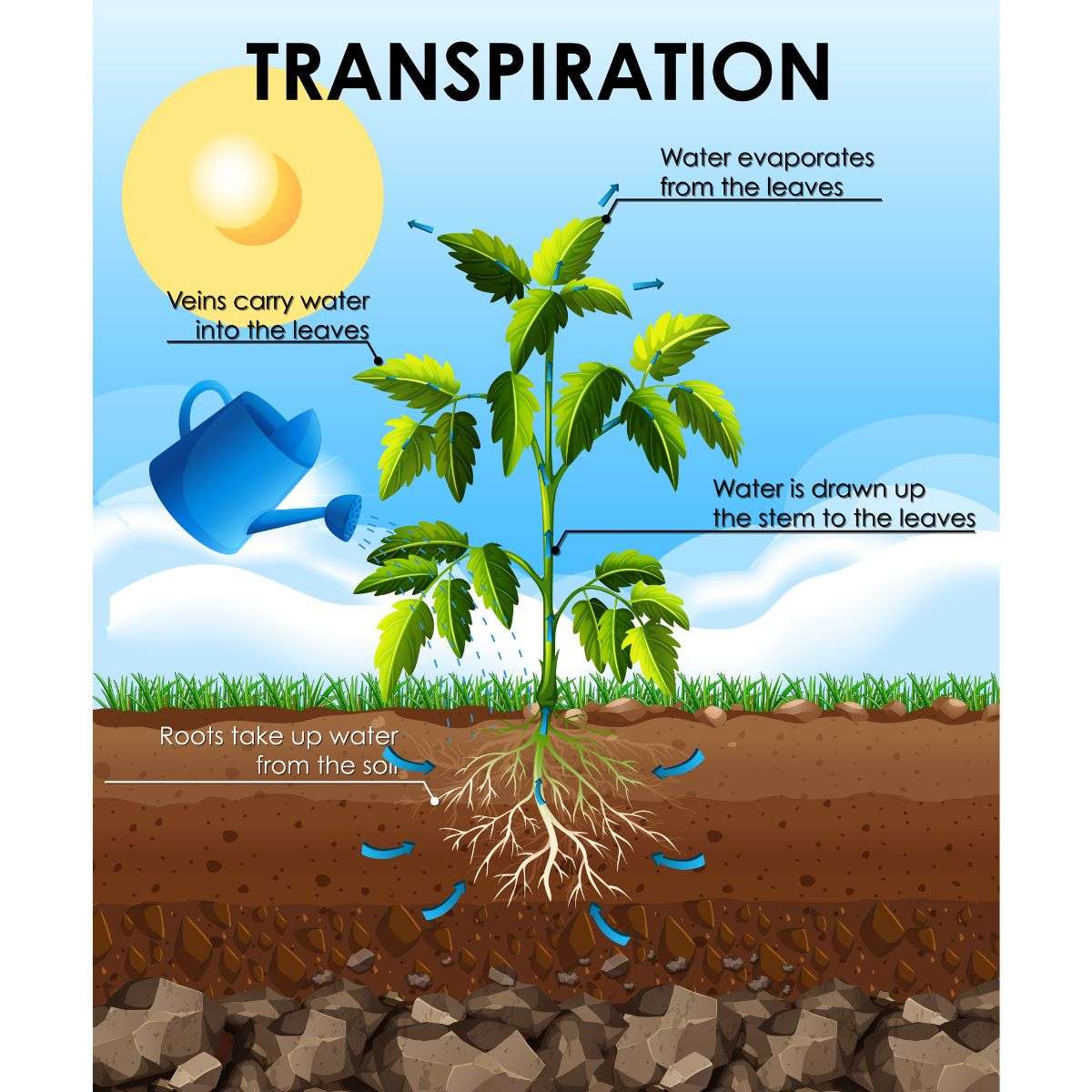
Leaves: Lose water faster than roots can replace it. Cells collapse, edges brown and curl. Photosynthesis shuts down above 95°F.
Roots: Hot soil (above 85°F) stops nutrient uptake. Fine root hairs die. Plants can’t absorb water even when the soil is wet.
Soil: Dries from the surface down. Beneficial microbes die. Structure breaks down into dust.
Containers vs Ground Plants
Pots heat up 3-4 times faster than garden beds. Dark containers in full sun can hit 120°F+—cooking roots alive.
Ground plants have: Soil insulation, deeper moisture reserves, and stable temperatures.
Container plants face: Exposed sides heating, limited soil volume, drying fast, and roots with nowhere to escape.
Warning Signs You’re Missing
Early stress (reversible):
- Leaves are slightly less crisp in the afternoon
- Slower growth
- Lighter green color
Serious stress (act now):
- Wilting by mid-morning
- Leaf edges browning
- Flowers dropping
- Fruit development stopping
Severe damage (may be permanent):
- Leaves are crispy and brown
- The entire plant collapsed
- Stems are browning from the tips down
Catch problems early—waiting until plants collapse makes recovery unlikely.
2. Water at the Right Time
Why Morning Wins
Water 6-9 AM for best results:
- ✓ Plants enter heat with full moisture reserves
- ✓ Evaporation loss is minimal (40-50% less than midday)
- ✓ Foliage dries before evening (prevents disease)
- ✓ Soil absorbs water efficiently when cool
Evening Watering Reality
After 6 PM works when:
- Morning is impossible due to the schedule
- Using drip irrigation (foliage stays dry)
- Climate is hot and dry (low disease pressure)
Evening problems in humid areas:
- Wet leaves overnight = fungal diseases
- Slugs and snails active
- Less time for plant uptake before night
Solution: If evening only option, water the soil directly—keep leaves dry.
Never Water Midday
Between 11 AM-3 PM:
- Lose 30-50% to evaporation
- Wet leaves + intense sun can cause spotting
- Wastes water without helping plants
Exception: Severely wilting plants need immediate rescue regardless of time. Save the plant first, worry about efficiency later.
3. Water Deeply, Not Frequently
Shallow Watering = Weak Plants
Daily light watering causes:
- Roots stay in top 2-3 inches (hottest, driest zone)
- Plants can’t survive if you miss a day
- Increased water dependency
- Poor drought tolerance
What happens: Roots follow water. Keep moisture shallow; roots stay shallow.
Deep Watering Builds Strength
Apply 1-2 inches of water weekly, penetrating 8-12 inches deep. Roots grow down seeking moisture, becoming drought-resistant.
Benefits:
- Roots access cooler, damper soil layers
- Plants tolerate 3-5 days between watering
- Less frequent watering = less work
- Stronger overall plant health
Check Your Depth
Simple test: Dig a small hole 6 hours after watering.
- Soil moist at 8-10 inches = perfect
- Only the top 2-3 inches wet = increase watering time
- Soggy throughout = reduce the amount (drainage problem)
For most plants: Run sprinkler 45-60 minutes or drip irrigation 90-120 minutes for proper depth.
4. Don’t Overwater During Heat Waves
More Water ≠ Better
When soil stays saturated:
- Roots suffocate (no oxygen)
- Root rot fungi thrive
- Nutrients leach away
- Plants weaken despite water
Heat makes it worse: Warm, wet, oxygen-starved soil = perfect conditions for root death.
Heat Stress vs Overwatering
Both cause wilting, but:
Heat stress:
- Wilts in the afternoon, recovers overnight
- Soil dry 2-3 inches deep
- Leaf edges are brown and crispy
- Fix: Water deeply
Overwatering:
- Wilts, but the soil is wet
- Yellowing lower leaves
- Soft, mushy stems
- Fix: Stop watering, improve drainage
Check the soil before watering. Stick finger 3-4 inches deep. If damp, don’t water yet.
Adjust for Extreme Heat
Above 95°F for multiple days:
- Increase frequency slightly (every 3 days instead of 5)
- Don’t increase the amount per session
- Focus on maintaining moisture, not flooding
Water deeply the night before a predicted heat spike—this is most helpful.
See more How Often Should You Water Garden Plants?
See more 10 Smart Ways to Save Water in the Garden
Read more Vegetable Watering Schedule Most Gardeners Get Wrong
Read more Automatic Drip and Mist Irrigation Kit
5. Mulch to Lock in Moisture
Bare Soil = Water Loss
Uncovered soil:
- Surface temperature 140°F+ in direct sun
- Loses 50-70% of water to evaporation
- Cracks and crusts, shedding water instead of absorbing it
Mulched soil:
- Surface stays 20-30°F cooler
- Retains moisture 2-3 times longer
- Stays soft and absorptive
Best Organic Mulches
Straw: Light, inexpensive, good air circulation. Replace yearly.
Wood chips: Long-lasting (2-3 years), excellent insulation. Takes time to break down.
Shredded leaves: Free in fall, adds nutrients. Breaks down in 6-12 months.
Grass clippings: Free, nitrogen-rich. Use thin layers (1 inch) to prevent matting.
Compost: Feeds soil while mulching. Expensive if buying; use homemade.
Proper Application
Depth: 2-4 inches for most mulches.
- Too thin (under 2″): Ineffective
- Too thick (over 4″): Can prevent water penetration
Placement: Keep 2-3 inches away from plant stems and tree trunks. Mulch touching stems causes rot.
Timing: Apply early summer before the heat hits. Replenish as it decomposes.
Coverage: Mulch the entire bed, not just around plants. Bare soil between plants still loses water.
6. Grow Your Own Living Mulch
Living Mulch Benefits
Ground covers between plants:
- Shade the soil surface
- Add organic matter when trimmed
- Increase biodiversity
- Self-renewing (don’t need to buy/haul)
Perfect for: Orchards, perennial beds, pathways between rows.
Chop-and-Drop Method
How it works:
- Grow fast-growing plants (comfrey, clover, alfalfa)
- Cut before flowering
- Leave cuttings on the soil surface as mulch
- Plants regrow, repeat monthly
Benefits: Free mulch + nitrogen from decomposition + soil building.
Best Living Mulch Plants
For vegetable gardens:
- White clover (fixes nitrogen, handles foot traffic)
- Buckwheat (fast-growing annual, attracts beneficials)
- Annual rye (fall/winter cover, chop in spring)
For perennial beds:
- Creeping thyme (drought-tolerant once established)
- Sweet woodruff (shade-tolerant)
- Strawberries (edible ground cover)
For orchards:
- Comfrey (deep roots mine nutrients)
- Vetch (nitrogen-fixer)
- Dutch white clover (standard orchard ground cover)
Plant spring, establish before the summer heat. By the second year, provides a continuous mulch supply.
7. Use Shade Cloth Strategically
When Plants Need Shade
Temporary shade helps:
- Newly transplanted seedlings (first 2-3 weeks)
- Heat-sensitive crops (lettuce, spinach, peas)
- Plants in extreme heat waves (100°F+)
- Container plants in full sun
Don’t shade unnecessarily: Most vegetables need full sun. Only intervene during extremes.
Shade Cloth Percentages
30-40% shade: Light protection for tomatoes, peppers, and cucumbers during heat spikes.
50-60% shade: Moderate protection for greens, herbs, and partially shade-tolerant plants.
70%+ shade: Heavy shade for ferns, hostas, shade-lovers in too-bright locations.
For summer heat protection, 30-50% is usually right. More blocks, too much light, reducing yields.
Setup Mistakes
Problem: Creating still air pockets
If cloth touches plants or drapes too closely, air can’t circulate. This traps heat—making things worse.
Solution:
- Mount the cloth 2-3 feet above the plants
- Use frame or posts, creating an air gap
- Secure edges but allow breeze through
- Orient to block the afternoon sun (hottest hours)
Timing: Install before the heat wave hits. Once plants are stressed, shade helps less.
8. Move Containers Intelligently
Why Pots Overheat
Exposed sides heat up fast. Roots near container edges cook. Dark pots absorb even more heat. Small pots dry out in hours.
Ground beds don’t have this problem—soil insulates roots from temperature swings.
Relocation Strategy
During heat waves, move pots to:
- East-facing locations (morning sun, afternoon shade)
- Under tree canopy (filtered light)
- Shaded patio or porch
- Indoors near a bright window (for houseplants)
Don’t move: Heavy containers (break backs), established plants with deep taproots (shock them).
Insulating Pots in Place
If can’t move:
Double-pot method: Place the container inside the larger pot. Fill the gap with mulch, straw, or damp newspaper. This insulates roots.
Shade the pot, not the plant: Surround the container base with cardboard, shade cloth, or burlap—blocking the sun from hitting sides.
Group pots together: Clustered pots shade each other’s sides, creating a cooler microclimate.
Paint dark pots: Use white exterior paint or light colors reflecting heat instead of absorbing it.
9. Prepare Before Heat Hits
Night Before Extreme Heat
Water deeply the evening before: Plants enter the heat wave with full reserves. This single action prevents most heat damage.
Check all containers: Pots dry faster—may need pre-watering even if the soil seems okay.
Morning of Heat Wave
Mulch any bare soil immediately: Even a quick 2-inch layer of straw helps significantly.
Set up shade structures early: Don’t wait until the afternoon when temperatures peak. Install by 10 AM.
Move vulnerable containers: Relocate before heat stress begins.
What Not to Do
Don’t fertilize: Pushes new soft growth vulnerable to burning.
Don’t transplant: Roots can’t establish in extreme heat.
Don’t prune heavily: Reduces shade plant creates for itself.
Wait until the heat passes for these activities.
10. Build Soil That Resists Heat
Why Soil Quality Matters
Healthy soil with organic matter:
- Holds 2-3 times more water than depleted soil
- Stays 5-10°F cooler
- Has living microbes supporting plant health
- Crumbles easily, allowing root growth
Poor soil:
- Dries rock-hard
- Sheds water (runs off instead of absorbing)
- Heats up faster
- Can’t support stressed plants
Add Organic Matter
Simple rule: Add 2-4 inches of compost annually.
Benefits compound over time:
- Year 1: Moderate improvement
- Year 2-3: Significant water retention increase
- Year 4+: Drought-resistant soil structure
Best additions:
- Compost (finished)
- Aged manure (chicken, cow, horse)
- Leaf mold
- Composted wood chips
Avoid: Fresh manure (burns), uncomposted materials (temporarily tie up nitrogen).
Fix Compacted Soil
Compaction = heat damage magnet.
Hard soil:
- Prevents root growth
- Sheds water
- Heats up faster
- Has no air pockets for roots to breathe
Solutions:
- Stop tilling (destroys structure)
- Add compost (naturally loosens soil)
- Use a broadfork (breaks compaction without destroying biology)
- Add gypsum to clay soils
- Never work wet soil (causes compaction)
Loose, fluffy soil with good structure handles heat stress far better than hard, compacted ground.
See more 5 Tips to Prepare Soil for a Vegetable Garden
See more Top 10 Natural Ways to Improve Garden Soil
Read more Best Organic Fertilizers for Vegetables
Learn How to Make Your Own Compost at Home
11. Choose Plants That Handle Heat
Why Some Plants Always Fail
Cool-season crops in summer heat = guaranteed failure.
Lettuce, spinach, peas, cilantro bolt (flower) and die above 80°F. No amount of care fixes genetic heat intolerance.
Heat-Tolerant Vegetables
Thrive in summer:
- Tomatoes, peppers, eggplant
- Okra, southern peas, yard-long beans
- Summer squash, cucumbers, melons
- Amaranth, New Zealand spinach
- Sweet potatoes, basil
Plant these from May to July. They love heat.
Native Plants Win
Plants from your region evolved handling local heat, drought, and soil. They need minimal help surviving summer.
Examples:
- Southwest: Penstemon, agave, desert marigold
- Southeast: Coreopsis, black-eyed Susan, passionflower
- Midwest: Purple coneflower, prairie dropseed
- Northwest: Oregon grape, red-flowering currant
Non-natives can work (Mediterranean herbs love hot, dry climates), but natives are always easier.
Look for “Drought-Tolerant” or “Heat-Resistant” Labels
Modern breeding creates varieties handling stress better:
- ‘Jericho’ lettuce (heat-tolerant)
- ‘Phoenix’ spinach (slow to bolt)
- ‘Heatwave II’ tomato (sets fruit in heat)
- ‘Summer Dance’ pepper (productive in high temps)
These cost no more but dramatically reduce summer losses.
12. Plant Densely for Natural Cooling
How Spacing Affects Temperature
Widely spaced plants: Soil exposed to sun, heating up, and drying out.
Close spacing: Leaves overlap, shadingthe soil. Ground stays cooler and moister.
Companion Planting for Shade
Tall plants shade shorter ones:
- Corn shading beans (traditional Three Sisters method)
- Tomatoes shading lettuce planted at the base
- Sunflowers provide afternoon shade for peppers
Ground covers under taller plants: Reduce soil temperature and conserve moisture.
When Crowding Becomes a Problem
Too dense causes:
- Poor air circulation (disease risk)
- Competition for water and nutrients
- Lower yields per plant
- Difficulty harvesting
Balance: Close enough for soil shading, spaced enough for airflow.
General guide: Reduce recommended spacing by 20-30% for heat protection. Don’t cut spacing in half—that’s too crowded.
13. Weed Regularly
Weeds Steal Water
Every weed draws moisture your plants need. During drought stress, this competition becomes critical.
Summer weeds grow fast: Crabgrass, purslane, pigweed explode in the heat. Weekly weeding keeps them controlled.
Best Time to Weed
Morning after watering = easiest removal. Soil loose, roots pull out completely.
Avoid: Midday heat (stresses you and disturbs the soil unnecessarily).
Frequency: Weekly during peak growing season. Missing 2-3 weeks lets weeds establish deeply.
Mulch Prevents Weeds
4 inches of mulch blocks 80-90% of weed seeds from germinating. This reduces weeding time dramatically.
Pull survivors immediately—before they seed. One pigweed produces 100,000+ seeds.
14. Avoid Stressful Tasks During Heat
Don’t Repot in Extreme Heat
Transplant shock + heat stress = death.
Disturbed roots can’t absorb water when temperatures soar. The plant can’t recover.
Wait for: Temperatures below 85°F, preferably evening with a mild forecast.
Skip Fertilizing
Fertilizer pushes soft new growth that burns instantly in the heat. Also increases water demand.
Better timing: Fertilize before or after heat waves, not during.
Prune Carefully
When pruning helps: Removing dead/damaged branches, thinning extremely crowded plants for airflow.
When it hurts: Heavy pruning, removing leafy shade. Leaves protect plants from the sun—don’t eliminate them during peak heat.
Wait until Temperatures moderate (fall) for major pruning projects.
15. Recognize and Respond to Stress Fast
Reversible Wilting
Temporary wilting: Leaves droop in afternoon heat, perk up overnight.
Action: Water deeply the next morning. Add mulch. Provide afternoon shade if repeated daily.
Recovery: Usually fine if caught quickly and stress relieved.
Serious Damage Signals
Leaf scorching: Brown, crispy edges spreading inward. Tissue death—won’t recover.
Leaf drop: Plant shedding leaves to reduce water loss. Survival mode.
Bud/flower drop: Aborted reproduction to conserve energy.
Action needed NOW:
- Water deeply immediately (even if midday)
- Add a thick mulch layer
- Install shade cloth
- Mist foliage to cool (temporary relief)
How Fast You Must Act
Hours matter. Once leaves turn crispy brown, those cells are dead. They won’t green up again.
Caught early (just wilting): Full recovery likely.
Caught late (brown edges appearing): Partial recovery possible.
Too late (entire plant brown): Likely lost. Focus on saving others.
Check plants daily during heat waves. Early intervention saves plants. Waiting means watching them die.
See more How to Make Vermicompost at Home (Complete 11-Step Guide)
See more 7 Practical Ways to Make Compost With Chicken Poop
Your Summer Protection Action Plan
Before summer heat:
- Add 2-4 inches of mulch to all beds
- Improve soil with compost
- Choose heat-tolerant varieties
- Have shade cloth ready
Daily during heat: 5. Water deeply in the morning (6-9 AM) 6. Check containers (may need daily watering) 7. Monitor for early stress signs
During heat waves: 8. Water deeply the night before extreme heat 9. Install shade cloth over vulnerable plants 10. Move containers to shade 11. Avoid transplanting, fertilizing, and major pruning
Weekly maintenance: 12. Weed regularly (early morning) 13. Replenish mulch as needed 14. Check soil moisture depth 15. Adjust watering based on plant response
Success looks like: Plants staying green and growing through summer heat. Minor afternoon wilting is okay. No crispy leaves or dying plants.
Heat is temporary. Protect your plants through the worst weeks, and they’ll thrive when temperatures moderate.
Most heat damage is preventable. Water right, mulch properly, choose appropriate plants, and act fast when stress appears.
Your garden can handle summer. Give it the help it needs.