Clear Signs of Poor Garden Soil and Practical Solutions to Fix Each Problem
1. Stunted Plant Growth Despite Proper Care
Why Plants Stop Growing
Your tomatoes are 6 inches tall after 8 weeks. The seed packet promised 3 feet by now. You water correctly, they get full sun, but nothing happens.
The problem is underground.
Root restriction from compacted layers:
- Hardpan layer 8-12 inches down blocks roots
- Roots can’t penetrate, circle back, and stunt
- The plant literally has nowhere to grow
Nutrient deficiency:
- Nitrogen shortage = no new growth (plants stay small, leaves pale yellow)
- Phosphorus deficiency = purple-tinted leaves, weak stems
- Potassium lack = brown leaf edges, poor disease resistance
Dead soil biology:
- No microbes = no nutrient conversion
- Organic matter sits unchanged
- Nutrients exist, but plants can’t access them
How to Fix Stunted Growth
Week 1 – Break compaction:
Use a broadfork (not a tiller):
- Push tines 12 inches deep every 6-8 inches across the bed
- Rock back and forth to fracture hardpan
- Don’t turn soil (preserves beneficial structure)
- One session fixes compaction for 3-5 years
Cost: $50-100 for a broadfork, lasts a lifetime
Week 2-3 – Add nutrients and life:
Compost application:
- Spread 3-4 inches over the bed
- Work into the top 6 inches of soil
- Provides nitrogen, phosphorus, and potassium naturally
- Feeds microbes simultaneously
Amount needed: 1 cubic yard of compost covers 100 sq ft at 3 inches deep
Quick nutrient boost (while soil rebuilds):
- Blood meal for nitrogen (1 cup per 10 sq ft)
- Bone meal for phosphorus (1 cup per 10 sq ft)
- Kelp meal for potassium and trace minerals (1/2 cup per 10 sq ft)
Microbe activation:
- Add worm castings (vermicompost) – 1 inch layer
- Or compost tea spray weekly
- Introduces billions of beneficial bacteria and fungi
Results timeline:
- Weeks 1-2: Root growth resumes (not visible yet)
- Weeks 3-4: Visible new leaf growth
- Weeks 5-8: Plants reach expected size for age
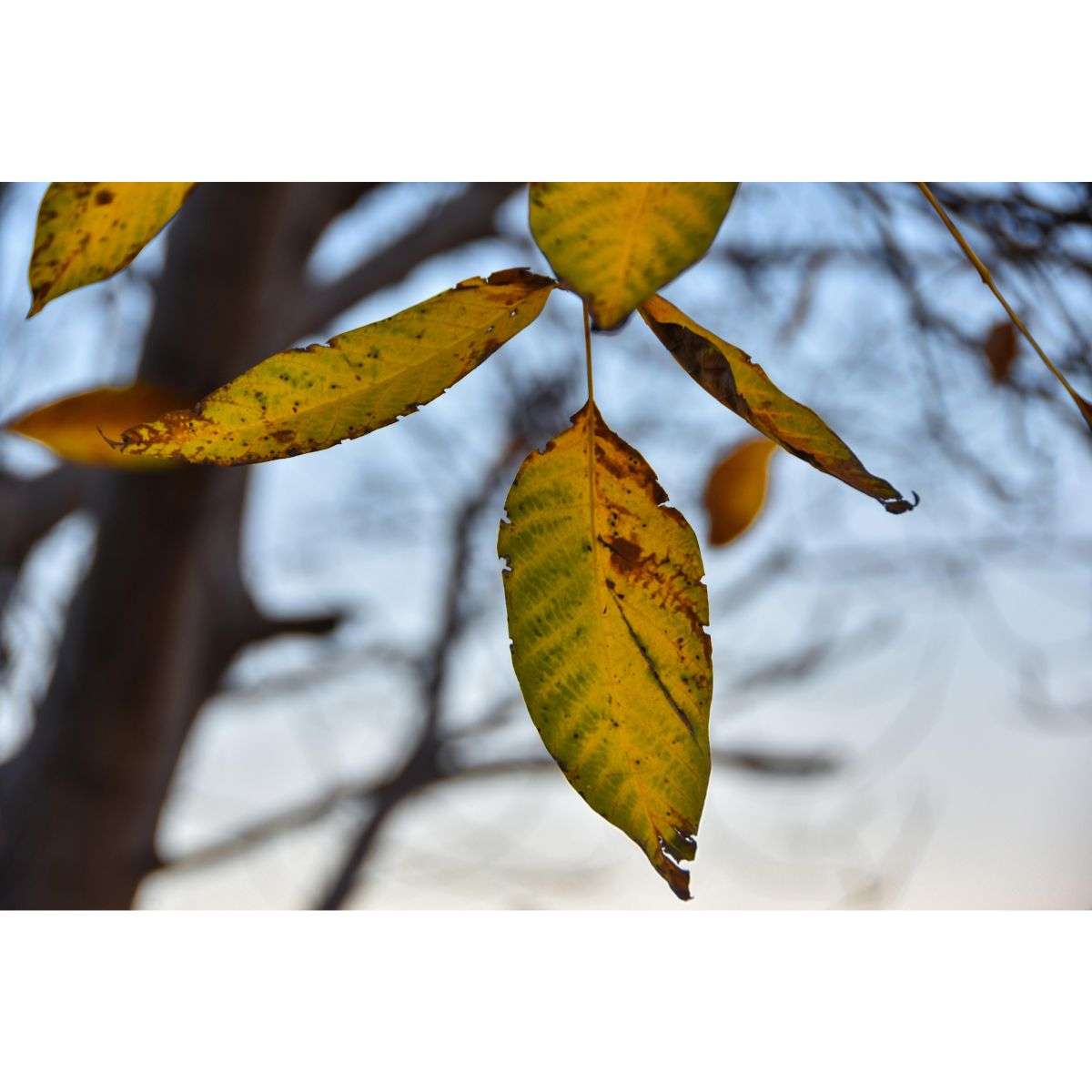
2. Yellow Leaves (Chlorosis)
What Causes Yellowing
Nitrogen deficiency (most common):
- Lower leaves turn pale yellow first
- Veins stay slightly greener than leaf tissue
- The plant looks washed out, anemic
- New growth is small and pale
Iron deficiency:
- New leaves turn yellow while the veins stay dark green
- Caused by high pH (above 7.5), locking up iron
- Common in alkaline soil regions
Waterlogged soil:
- Roots suffocating = can’t absorb any nutrients
- Yellow leaves + wet soil = overwatering problem
- Roots rotting beneath the surface
How to Fix Yellow Leaves
Diagnose first (don’t guess):
| Symptom | Cause | Fix |
| Lower leaves yellow, upper green | Nitrogen deficiency | Add blood meal or compost |
| New leaves yellow, veins green | Iron deficiency/high pH | Lower pH with sulfur |
| Yellow + wet soil | Poor drainage | Improve drainage immediately |
| Yellow + dry soil | Root damage | Check for pests, improve soil |
Fix nitrogen deficiency:
Fast (1-2 weeks):
- Blood meal: 1-2 cups per 10 sq ft, water in
- Or fish emulsion: 2 tbsp per gallon, water plants weekly
Permanent (builds over time):
- Add 3-4 inches of compost annually
- Plant nitrogen-fixing cover crops (clover, peas)
- Use aged manure (chicken, rabbit, cow)
Fix iron deficiency:
Lower soil pH:
- Test the current pH with a $10 meter
- If above 7.0, add elemental sulfur
- Use 1 pound of sulfur per 100 sq ft to lower the pH by 1 point
- Retest after 3 months
Quick iron supplement:
- Chelated iron spray on leaves
- Temporary fix while pH adjusts
- Apply every 2 weeks until green
Fix waterlogging:
Immediate:
- Stop watering until the top 3 inches are dry
- Check for drainage problems
Permanent:
- Add 3-4 inches of compost (improves drainage)
- Create raised beds if severe
- Install drainage channels or French drains
Recovery time: 2-3 weeks to see greening if caught early, 4-6 weeks if severe.
3. Water Pools or Drains Too Slowly
Why Poor Drainage Kills Roots
Oxygen starvation:
- Roots need air as much as water
- Waterlogged soil = zero oxygen
- Roots suffocate within 24-48 hours
Root rot progression:
- Day 1-2: Roots stressed, uptake slows
- Day 3-5: Roots begin rotting, turning brown/black
- Day 7+: Plant wilts despite wet soil, often dies
Heavy clay soil problems:
- Particles pack tightly, no space for water movement
- Water sits on the surface or drains over days instead of hours
- Compaction makes it worse
Quick test: Dig a 12-inch hole, fill with water. Should drain in 4-6 hours. If water remains after 12 hours = drainage problem.
How to Fix Poor Drainage
Option 1 – Improve existing soil (best for mild cases):
Add coarse materials:
- Compost (3-4 inches worked into the top 12 inches)
- Coarse sand (not fine sand—that makes clay worse)
- Perlite or vermiculite for containers
Amendment ratios for clay:
- 30-40% compost by volume
- Or 20% compost + 10% coarse sand
- Mix thoroughly to a 12-inch depth
Cost: $30-50 per 100 sq ft
Timeline: Immediate improvement, gets better over 1-2 years as organic matter breaks down
Option 2 – Raised beds (best for severe drainage):
Why they work:
- Soil elevated above the water table
- Gravity drains water naturally
- You control soil composition completely
Build process:
- Frame: 12-18 inches tall minimum
- Fill: 50% topsoil + 30% compost + 20% drainage material
- Never walk on raised bed soil (prevents compaction)
Cost: $75-150 per 4×8 bed
Option 3 – Create drainage channels:
For in-ground beds:
- Dig trenches 12-18 inches deep along bed edges
- Fill with gravel
- Directs excess water away from roots
For severe problems:
- Install a perforated drain pipe in a gravel-filled trench
- Routes water to the lower area or the storm drain
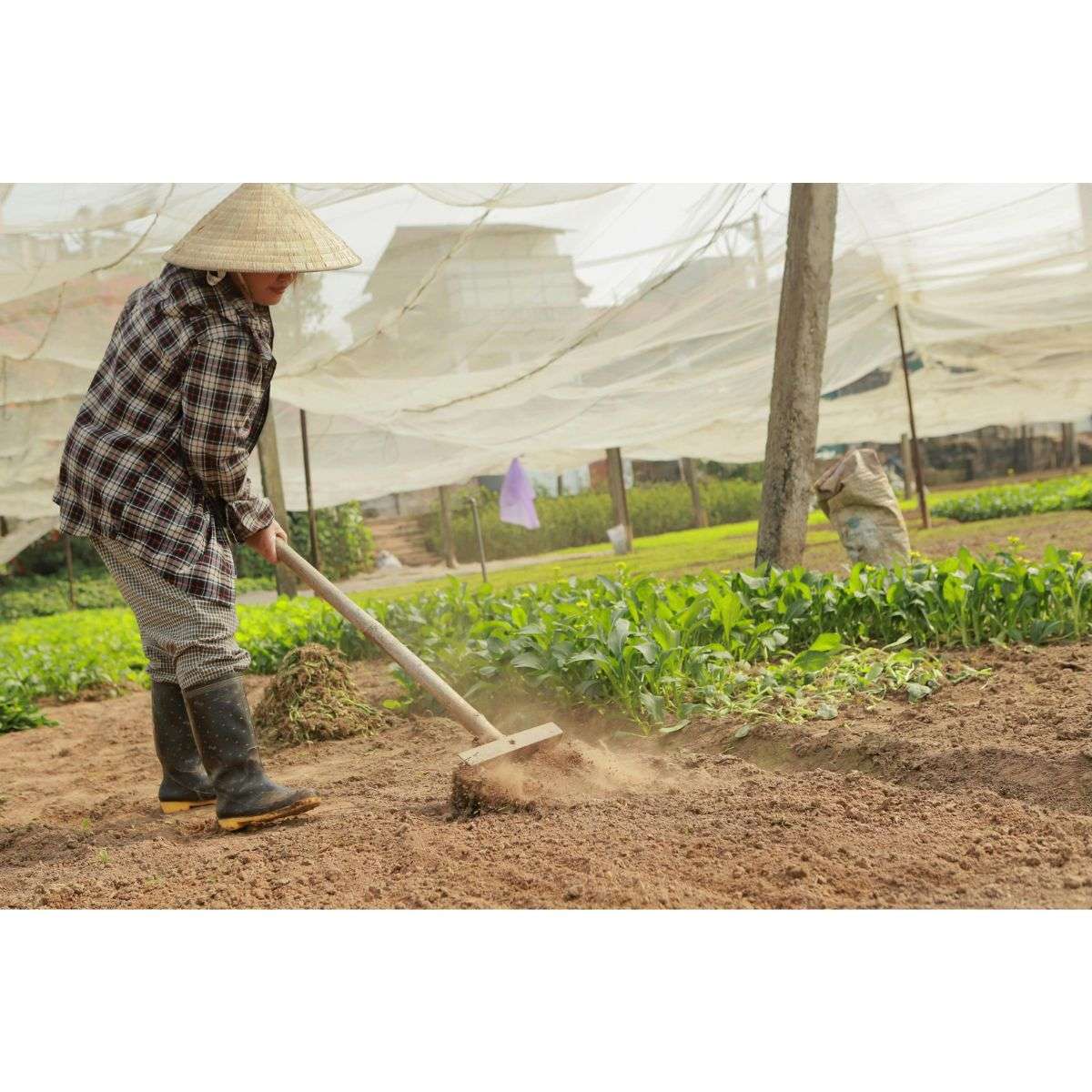
4. Soil Dries Out in Hours
Why Sandy Soil Can’t Hold Water
Lack of organic matter:
- Organic matter acts like a sponge
- Holds 6-10 times its weight in water
- Sandy soil with no organic matter = zero water retention
Poor soil structure:
- Sand particles don’t stick together
- No aggregates form pore spaces
- Water runs straight through
Evaporation:
- Bare sand heats up fast
- Surface temperature 120-140°F in summer sun
- Moisture evaporates before roots access it
The cycle: Water → drains immediately → plants wilt → you water again → same problem → plants never thrive.
How to Improve Water Retention
Compost is the answer (repeat annually):
Application:
- Year 1: Add 4-6 inches of compost, work into the top 8 inches
- Year 2: Add 3-4 inches, work in
- Year 3+: Add 2-3 inches annually
Results by year:
| Timeline | Water Retention | Watering Frequency |
| Before | 30 minutes | Daily or twice daily |
| After Year 1 | 2-3 hours | Every other day |
| After Year 2 | 6-12 hours | Every 2-3 days |
| After Year 3 | 24+ hours | 2-3× weekly |
Add mulch (immediate improvement):
Organic mulch benefits:
- Reduces evaporation by 70%
- Keeps soil 10-15°F cooler
- Breaks down slowly, adds organic matter
Application:
- 3-4 inches over the soil surface
- Pull back 2-3 inches from plant stems
- Replenish as it decomposes
Best mulches for water retention:
- Shredded bark
- Wood chips (free from tree service)
- Straw
- Shredded leaves
Grow cover crops:
Between growing seasons:
- Plant clover, vetch, or annual rye
- Roots add organic matter as they grow
- Chop and drop before flowering
- Till or leave on the surface as mulch
Permanent improvement: 3-4 years of consistent organic matter addition transforms sandy soil into a moisture-retentive growing medium.
5. Hard, Compacted Soil
What Causes Compaction
Foot traffic:
- Every footstep compresses soil particles
- Eliminates air spaces
- Squeezes out 30-50% of pore space
Heavy clay:
- Naturally tight particle arrangement
- Worse when working wet (creates a concrete-like layer)
- Dries into a brick-hard mass
Lack of organic matter:
- No “glue” to create soil aggregates
- Particles pack together tightly
- No earthworms or life to create channels
Test: Push the screwdriver into dry soil. Goes in easily = good structure. Hard to penetrate = compacted.
How to Fix Compacted Soil
Never till compacted soil:
- Tilling destroys soil structure long-term
- Creates a hardpan layer below the tilled depth
- Requires re-tilling annually
Better method – Broadfork:
Process:
- Push 12-inch tines into the soil every 6 inches
- Rock the handle back and forth
- Lifts and fractures soil without turning
- Preserves beneficial fungi networks
Time: 30-40 minutes per 100 sq ft
Frequency: Once, then maintain with organic matter
Add organic matter (rebuilds structure):
Year 1 – Aggressive improvement:
- 4-6 inches of compost worked into the top 8-10 inches
- Or top-dress 6 inches if not broadforking
Year 2-3 – Maintenance:
- 2-3 inches of compost annually
- No tilling needed
- Worms and microbes do the work
Create permanent pathways:
Problem prevention:
- Never walk on growing beds
- Install stepping stones or mulched paths
- Build beds 3-4 feet wide (reach center from both sides)
- Maintain defined paths
Result: Soil stays fluffy permanently with minimal effort.
Encourage earthworms:
Worms are your free soil workers:
- Each worm creates channels as it moves
- Channels improve drainage and aeration
- Worm castings are perfect fertilizer
How to attract worms:
- Add organic matter (their food)
- Keep soil moist (not wet)
- Stop using chemicals
- Mulch (maintains the moisture they need)
Timeline: 6-12 months to see dramatic soil loosening from combined strategies.
See more – How to Make Compost at Home Using Kitchen Waste
See more – Best Organic Fertilizers for Vegetables
Read more – Compost vs Fertilizer: What’s the Difference?
Read more – What Is Compost? Why It’s Important for Healthy Gardening
6. Weeds Outgrow Your Plants
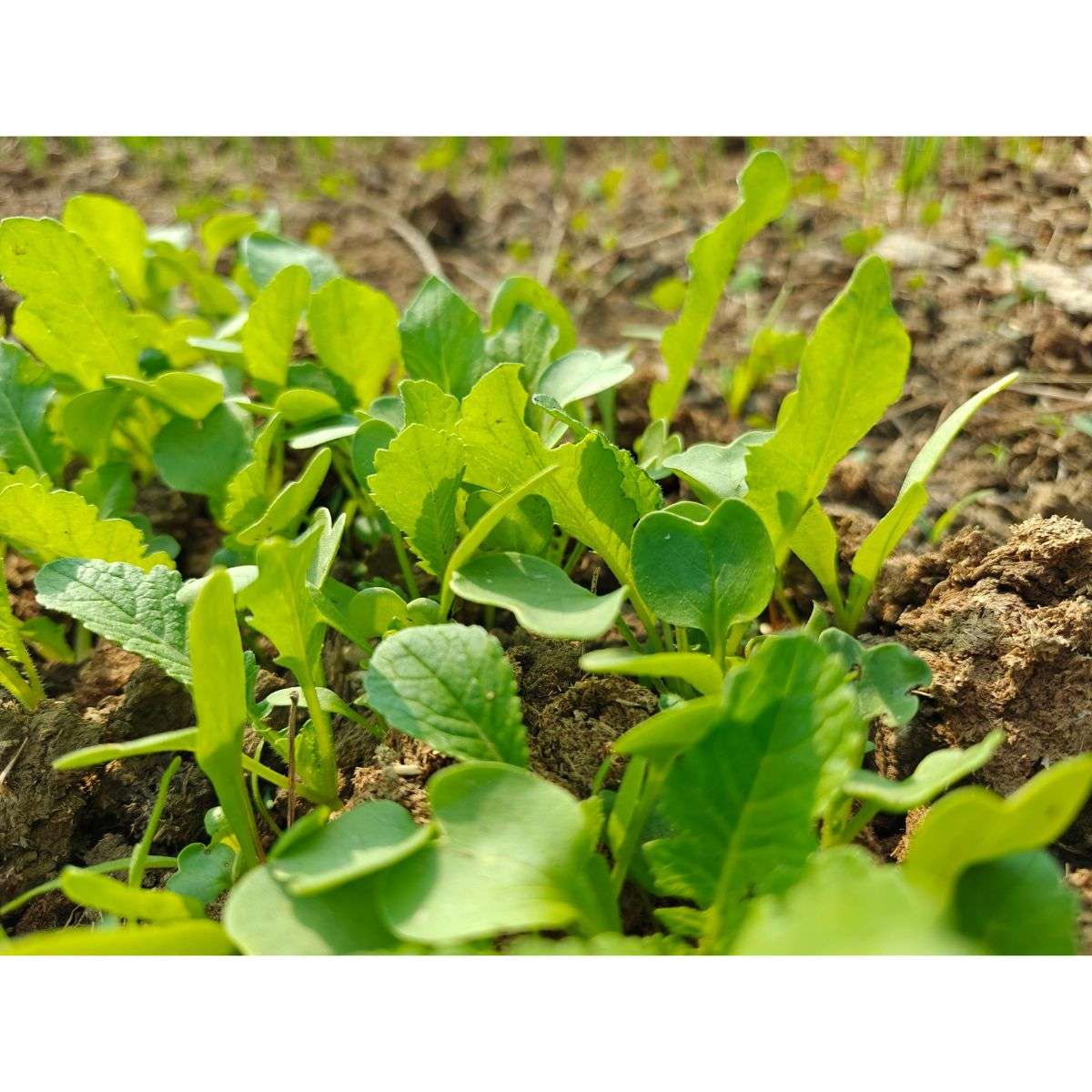
Why Weak Soil Favors Weeds
Poor soil fertility paradox:
- Many weeds thrive in low-nutrient soil
- Your vegetables need rich soil to compete
- Weak soil = vegetables struggle, weeds dominate
Bare soil invitation:
- Exposed soil = weed seed germination
- Sunlight triggers dormant seeds
- Thousands of seeds germinate simultaneously
Disturbed soil ecosystem:
- Tilling brings buried seeds to the surface
- Destroys weed-seed-eating insects
- Creates perfect conditions for annual weeds
How to Reduce Weeds Through Soil Health
Build fertility (strengthen crops):
Healthy plants outcompete weeds:
- Add 3-4 inches of compost annually
- Soil test every 2-3 years, adjust nutrients
- Balanced N-P-K means vigorous crop growth
Dense planting:
- Space plants at the minimum recommended distance
- Leaves touching = shading soil = no weed growth
- Living mulch (ground covers) fills gaps
Mulch heavily (blocks weed germination):
Application:
- 3-4 inches of organic mulch
- Blocks 80-90% of weed seeds from germinating
- Those that germinate pull easily from the mulch
Best weed-suppressing mulches:
- Cardboard layer + wood chips (nearly 100% effective)
- Thick straw (4-6 inches)
- Shredded leaves (3-4 inches)
Stop tilling:
No-till benefits:
- Doesn’t bring buried seeds to the surface
- Preserves seed-eating insect populations
- Builds soil structure over time
- Less weed pressure each year
Transition to no-till:
- Broadfork initial compaction
- Add a thick compost layer
- Plant directly into compost
- Top with mulch
- Never till again
Result: Weeding time drops 70-90% within 2-3 years.
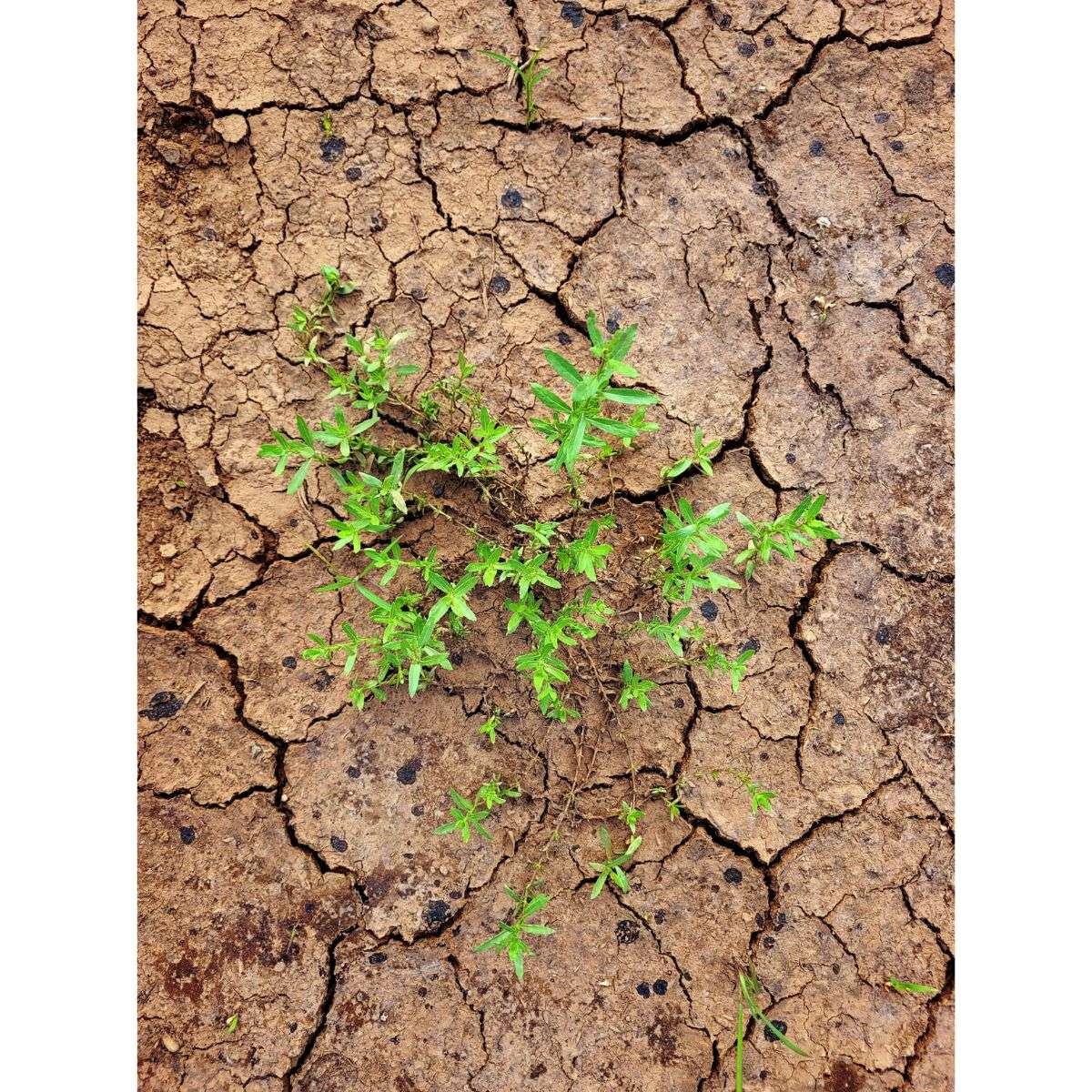
7. Soil Cracks, Erodes, or Gets Dusty
Why Soil Structure Breaks Down
Lack of organic matter:
- No binding agent holds particles together
- Soil aggregates fall apart
- Bare particles exposed to wind and water
Extreme dryness:
- Clay shrinks as it dries, creating cracks
- Cracks can be inches wide, feet deep
- Allows rapid water loss during rain (water runs into cracks, not soil)
No root systems:
- Bare soil between growing seasons
- Nothing is holding soil in place
- Wind carries away topsoil
How to Rebuild Soil Structure
Add compost (creates aggregates):
How it works:
- Organic matter glues soil particles into stable clumps
- Clumps (aggregates) resist erosion
- Pore spaces between aggregates improve drainage while holding moisture
Application for broken structure:
- 4-6 inches of compost
- Mix into the top 6-8 inches
- Or top-dress and let earthworms incorporate
Visible improvement: 3-6 months
Mulch protection (immediate erosion control):
During the repair phase:
- 3-4 inches of straw or wood chips
- Protects the surface from rain impact
- Prevents wind erosion
- Adds organic matter as it decomposes
Permanent mulch:
- Maintain 2-3 inches year-round
- Replenish as needed
- Never leave soil bare
Cover crops (off-season protection):
Plant immediately after harvest:
- Annual rye (winter kill in cold climates)
- Crimson clover (fixes nitrogen + covers soil)
- Field peas (quick-growing, nitrogen-fixing)
- Winter wheat (cold-hardy, deep roots)
Benefits:
- Living roots hold soil
- Above-ground growth protects from rain
- Roots create channels
- Chop and drop for organic matter
Plant in the fall, chop in spring before planting vegetables.
Cost: $10-20 in seed covers 1,000 sq ft
See more – Top 10 Natural Ways to Improve Garden Soil
Read more – 5 Tips to Prepare Soil for a Vegetable Garden
8. Plants Wilt Despite Watering
Why Roots Can’t Absorb Water
Compaction blocks roots:
- Roots can’t grow into compacted zones
- Limited to the top few inches
- Can’t access water, you’re applying deeper
Poor root development:
- Shallow frequent watering = shallow roots
- Roots never learned to grow deep
- First hot day = wilting
Damaged soil biology:
- Mycorrhizal fungi help roots absorb water
- No fungi = 30-50% reduced water uptake
- Chemical fertilizers and pesticides kill fungi
How to Fix Root Function
Improve aeration:
Immediate:
- Broadfork compacted areas
- Stop walking on beds
- Create permanent pathways
Ongoing:
- Add compost, maintaining loose structure
- Encourage earthworms (natural aerators)
Rebuild root systems:
Deep watering technique:
- Water 30-45 minutes
- Letthe soil nearly dry before watering again
- Forces roots to grow 12-18 inches deep
Timeline: 3-4 weeks to see roots establishing deeper
Restore beneficial organisms:
Mycorrhizal fungi inoculant:
- Add when transplanting (dust on roots)
- Reduces transplant shock
- Increases water/nutrient absorption 50%+
Cost: $15-25 treats 50+ plants
Compost tea:
- Brews billions of beneficial microbes
- Spray the soil weekly
- Rebuilds the entire soil food web
Recipe:
- 1 gallon of finished compost in 5 gallons of water
- Bubble with aquarium pump for 24-48 hours
- Strain, dilute 1:10, water plants
Stop using chemicals:
- Synthetic fertilizers kill soil life
- Pesticides destroy beneficial insects and microbes
- Switch to organic inputs only
Recovery: 6-8 weeks to rebuild functional soil biology.
See more – Vegetable Watering Schedule Most Gardeners Get Wrong
Read more – How Often Should You Water Garden Plants?
9. No Earthworms or Visible Life
Why Dead Soil Can’t Support Plants
No food for organisms:
- Soil life needs organic matter
- Synthetic fertilizers provide none
- Microbes and worms starve, populations crash
Chemical damage:
- Pesticides kill beneficial insects
- Herbicides damage soil bacteria
- Synthetic fertilizers increase salts, burning organisms
Poor environment:
- Too dry: organisms can’t survive
- Too wet: suffocate
- Too compacted: can’t move or create channels
Impact on plants: Soil organisms provide 90% of plant nutrition through decomposition. No organisms = no nutrition, regardless of what you add.
How to Bring Soil Back to Life
Add organic matter consistently:
What to add:
- Compost (best overall)
- Aged manure
- Shredded leaves
- Grass clippings (thin layers)
- Cover crop residue
Schedule:
- Spring: 2-3 inches before planting
- Fall: 2-3 inches after harvest
- Mid-season: Side-dress with compost
Stop all harmful chemicals:
Replace with:
| Instead of | Use |
| Synthetic fertilizer | Compost, aged manure |
| Pesticides | Hand-picking beneficial insects |
| Herbicides | Mulch, hand weeding |
| Fungicides | Proper spacing, resistant varieties |
Improve environment:
Moisture:
- Keep soil consistently moist (not wet)
- Mulch helps maintain moisture
- Organisms are 75-90% water
Temperature:
- Mulch moderates temperature
- Protects from extreme heat/cold
Food and habitat:
- Diverse organic matter = diverse organisms
- Permanent mulch layer = habitat
- Never leave soil bare
Inoculate with life:
Earthworms:
- Buy red wigglers (composting worms)
- Add to garden beds with compost
- They’ll multiply if conditions are good
Cost: $25-40 per pound (1,000 worms)
Compost:
- Brings billions of beneficial microbes
- Introduces diverse organisms
- Creates a food web foundation
Timeline for seeing life return:
- Weeks 1-4: Microbes establish (invisible)
- Months 2-3: Earthworms appear
- Months 6-12: Thriving diverse ecosystem
Read more – How to Make Vermicompost at Home
10. Poor Harvest Quality and Low Yields
Why Poor Soil Reduces Production
Nutrient deficiency impacts:
- Small fruits/vegetables
- Poor flavor (lack of trace minerals)
- Low Brix (sugar content)
- Reduced yield by 40-60%
Weak root systems:
- Can’t access nutrients even if present
- Limited uptake capacity
- Stress during fruit development
Poor ecosystem:
- No nutrient cycling
- Elements locked in unavailable forms
- Plants can’t build healthy tissue
Real example: Two tomato plants, same variety. Good soil produces 20-30 pounds per plant. Poor soil produces 5-8 pounds. Same effort, 75% less harvest.
How to Restore Soil Fertility
Complete nutrient balance:
Soil test first ($15-30):
- Reveals exactly what’s missing
- Prevents wasting money on unneeded amendments
- Shows pH (must be 6.0-7.0 for most vegetables)
Order from:
- Local extension office
- Online labs (MySoil, SoilKit)
- Results in 1-2 weeks
Adjust based on results:
If low in:
- Nitrogen: Blood meal, fish emulsion, aged manure
- Phosphorus: Bone meal, rock phosphate
- Potassium: Kelp meal, greensand, wood ash
- Calcium: Lime, gypsum, eggshells
- Trace minerals: Kelp meal, rock dust
Organic fertilizer application:
Pre-season (work into soil):
- Balanced organic fertilizer (4-4-4 or 5-5-5)
- Rate: 2-3 pounds per 100 sq ft
- Provides slow-release nutrients all season
Mid-season boost:
- Side-dress with compost (1 inch around plants)
- Or liquid fertilizer (fish emulsion, compost tea)
- Apply every 3-4 weeks
Long-term soil building:
Annual routine:
- Fall: Add 3-4 inches of compost
- Spring: Soil test every 2-3 years
- Growing season: Mulch + mid-season feeding
- Between crops: Cover crops
Build organic matter to 5% minimum:
- Most vegetable garden soil is 1-2%
- 5% organic matter supports maximum production
- Takes 3-5 years of consistent additions
Maintain soil food web:
- Stop tilling
- Use organic inputs only
- Keep soil covered
- Encourage diversity
Yield improvement timeline:
| Season | Improvement |
| Year 1 | 20-30% increase |
| Year 2 | 40-50% increase |
| Year 3+ | 60-80+ increase |
Plus: Better flavor, nutrition, and disease resistance.
Frequently Asked Questions
How long does it take to fix poor garden soil?
Noticeable improvement in 3-6 months. Dramatic transformation in 2-3 years with consistent compost addition. Emergency interventions (broadforking, adding compost) show results within weeks, but building truly healthy soil is a multi-year process.
What’s the single most important thing for soil health?
Organic matter. Compost, aged manure, cover crops, mulch—any organic matter improves every soil problem. Add 2-4 inches twice yearly. This one action fixes drainage, compaction, nutrients, water retention, and soil life.
Should I till my garden soil?
No. Tilling destroys soil structure, kills beneficial organisms, brings weed seeds to the surface, and creates compaction layers. Use a broadfork for initial compaction, then build soil with organic matter. Never again.
How much compost do I actually need?
For poor soil: 4-6 inches (2 cubic yards per 100 sq ft) first year. For maintenance: 2-3 inches (1 cubic yard per 100 sq ft) annually. One pickup truck load ≈ is 2 cubic yards.
Can I fix the soil too fast?
Not with organic matter. You can overdo synthetic fertilizers (burn plants), but compost can be added generously. More organic matter = faster improvement. The practical limit is cost and availability, not plant safety.
My soil is pure clay/pure sand. Is it hopeless?
No. Both extremes were fixed in the same way: massive organic matter addition. Clay needs 40-50% compost by volume mixed in. Sand needs 30-40%. This seems like a lot (and it is), but it transforms the soil completely in one year. After that, annual maintenance is much less.
Do I need to buy amendments, or can I make them?
Make them. Compost is free (your food scraps + yard waste). Mulch is free (tree trimmings, leaves). Cover crops cost $10-20. Earthworms multiply naturally. Only buy: compost if you can’t make enough, soil test, and occasional rock minerals.
Bottom line: Poor soil has obvious signs, but every problem has a straightforward fix.
Start today:
- Add compost (fixes 80% of issues)
- Stop walking on beds
- Mulch everything
- Never till again
These four actions transform soil over 2-3 years with minimal ongoing effort.
Your best investment isn’t fertilizer or fancy tools—it’s building healthy soil that works for you instead of against you.
Healthy soil = healthy plants = abundant harvests.
Simple as that.