How to Make Vermicompost at Home Using Simple, Practical Steps
Turn kitchen waste into black gold without the mess, smell, or dead worms. Real solutions to actual problems beginners face.
Step 1: Location Makes or Breaks Your Success
Indoor vs Outdoor Reality
Indoor (kitchen, balcony, utility room):
- ✓ Temperature control, convenient
- ✗ Any smell becomes unbearable, and fruit flies are in your home
Outdoor (shaded patio, covered area):
- ✓ Smells dissipate, more forgiving
- ✗ Temperature extremes kill worms
Fatal Location Mistakes
Direct sunlight: Worms die above 85°F. Even morning sun through the windows overheats bins by afternoon.
Freezing areas: Below 40°F, worms stop eating. Below 32°F, they die.
Best spots: Shaded outdoor corner with a roof, cool basement, covered balcony away from direct weather.
Temperature sweet spot: 55-77°F. Outside of this, expect problems.
Step 2: Most Bins Are Built Wrong
Container Essentials
What works:
- Opaque plastic storage tote (10+ gallons)
- Clay pots (breathable but heavy)
- Wooden boxes (need liner)
Critical design:
- Drainage holes: 8-10 in the bottom (covered with mesh) or worms drown
- Air holes: 8-10 near the top of the sides
- Opaque lid: Worms hate light
- Size: 18″×18″×12″ minimum for 1-2 people
DIY Setup in 10 Minutes
- Drill 1/4″ holes: bottom (drainage), sides near top (air), lid (ventilation)
- Cover the bottom holes with window screen mesh
- Elevate on bricks, put a tray underneath
- Done
Common failures: Sealed containers (suffocates worms), clear bins (light stress), and no drainage (drowning).
Step 3: Wrong Worms = Guaranteed Failure
Garden Worms Don’t Work
Earthworms from your yard live deep in the soil. They die in shallow bins within days.
Get Composting Worms
Red wigglers (Eisenia fetida): The standard. Hardy, fast-reproducing, beginner-friendly.
Start with: 1 pound (about 1,000 worms) handles scraps from 1-2 people.
Where to buy: Online worm farms, local composting groups. Never bait shops (wrong species).
They double their population every 60-90 days naturally.
See more What Is Compost? Why It’s Important for Healthy Gardening
See more Compost vs Fertilizer: What’s the Difference?
Read more How to Make Your Own Compost at Home
Step 4: Bedding Moisture Balance
The Squeeze Test
Grab bedding and squeeze:
- Too dry: Crumbles, dusty → Mist with spray bottle
- Perfect: Wrung-out sponge (few drops, not streaming)
- Too wet: Water drips out → Add dry cardboard/paper
Safe Bedding Materials
Use these:
- Shredded newspaper (black ink only)
- Plain cardboard (no tape/labels)
- Coconut coir
- Shredded office paper
Avoid:
- Glossy magazines (toxic inks)
- Colored paper (harmful dyes)
- Fresh grass clippings (heat up)
- Sawdust from treated wood
Starting recipe:
- 70% shredded cardboard/newspaper
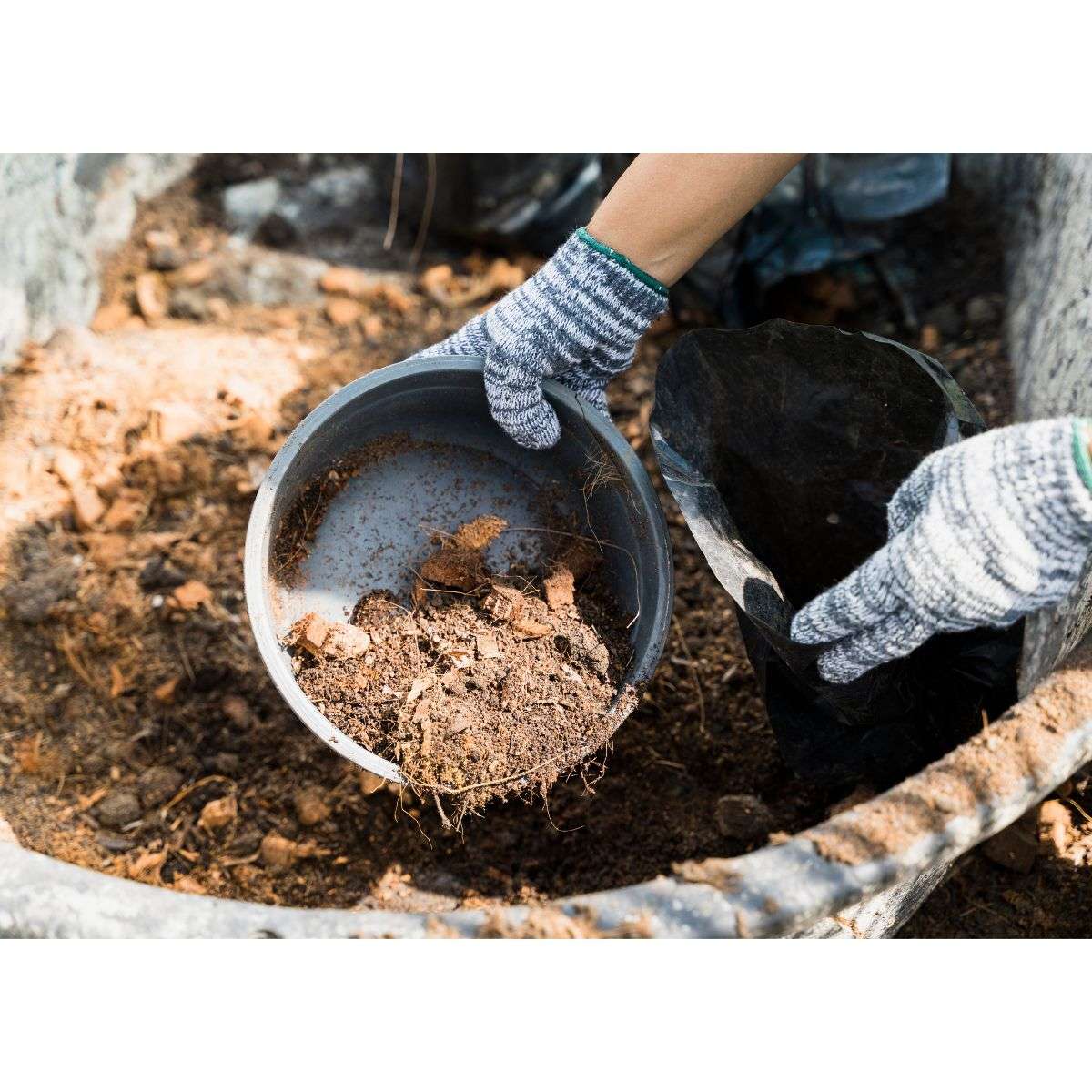
- 20% coconut coir (soaked)
- 10% garden soil (provides grit)
- Moisten a wrung-out sponge
- Fill the bin half-full
Wait 24 hours before adding worms.
Step 5: Feeding Without Creating a Disaster
The #1 Mistake: Overfeeding
What happens: Rotting food = horrible smell + fruit flies + dead worms.
The rule: Feed only what worms finish in 3-4 days.
For new bins: Start with just 1-2 cups weekly. Seriously. Increase slowly as the population grows.
Check before adding more: Is the previous food 80% gone? If not, skip feeding.
What to Feed (and Not Feed)
Never add:
- Meat, fish, dairy (smell horrible, attract pests)
- Oils, grease (suffocates worms)
- Pet waste (pathogens)
- Citrus (acidic, toxic in large amounts)
Perfect foods:
- Fruit scraps (no citrus or minimal)
- Vegetable peels
- Coffee grounds (moderate amounts)
- Crushed eggshells (balances pH)
- Tea bags (remove staples)
Pro tips:
- Chop food small (faster breakdown)
- Bury under bedding (prevents flies)
- Rotate feeding spots in the bin
- Freeze scraps first (kills fruit fly eggs)
Step 6: Moisture Problems Kill Most Bins
Too Wet = Drowning Worms
Signs: Worms trying to escape, sewage smell, and standing water.
Fix immediately:
- Add dry cardboard/paper (lots)
- Mix gently
- Check drainage holes
- Stop feeding until balanced
Too Dry = Dead Worms
Signs: Dusty bedding, worms clumped in corners, nothing decomposing.
Fix: Mist with a spray bottle until bedding feels like a wrung-out sponge.
Weekly check: Squeeze test. Adjust moisture as needed.
Step 7: Temperature Extremes
Hot Weather (Above 85°F)
Emergency cooling:
- Move to the coolest spot
- Place frozen water bottle in bin (at side, not on worms)
- Wrap the bin in wet burlap
- Reduce feeding (decomposition creates heat)
Cold Weather (Below 55°F)
Keep worms alive:
- Move indoors or to the garage
- Insulate with straw bales
- Add extra bedding
- Feed less (they eat more slowly)
Below 40°F: Worms stop eating. Below 32°F: They die.
Step 8: Dealing With Smell and Pests
Normal Smell
Earthy, like forest floor. Pleasant.
Bad Smells Mean Problems
Rotten egg smell: No oxygen.
- Fix: Add dry bedding, fluff contents, and improve airflow
Ammonia smell: Too much nitrogen.
- Fix: Add cardboard, reduce food
Sour smell: Too acidic.
- Fix: Add crushed eggshells
Fruit Flies
Prevention (works 80% of the time):
- Bury all food under 4-6 inches of bedding
- Freeze scraps before adding
- Cover the surface with thick cardboard
Kill existing flies:
- Stop feeding for 2 weeks
- Apple cider vinegar trap (jar with vinegar + soap drop)
- Cover the bin completely
Ants
Fix: Increase moisture (ants hate wet conditions). Create a water moat (bin legs in water dishes). They won’t harm worms—only act if swarming.
See more 10 Homemade Organic Pest Spray Recipes for Home Gardens
See more Common Garden Pests and How to Identify Them
Read more Top 8 Organic Pest Control Methods for Home Gardens
Read more 10 Natural Ways to Eliminate Aphids from Your Garden
Step 9: Reading Worm Health
Happy Worms
- Moving actively when you open the bin
- Tiny golden cocoons visible (eggs)
- Baby worms present (threadlike)
- Spread throughout the bin
- Food disappears in 3-5 days
Worms in Trouble
Trying to escape (on walls/lid):
- Check: too wet? Too dry? Too hot? Too acidic?
- Fix the problem immediately
Dying (white, mushy):
- Emergency: Remove all food, add dry bedding, check drainage
Sluggish:
- Usually too cold or too dry
- Adjust temperature or moisture
Step 10: Harvesting Compost
When to Harvest
Time: 3-6 months after starting.
Signs it’s ready:
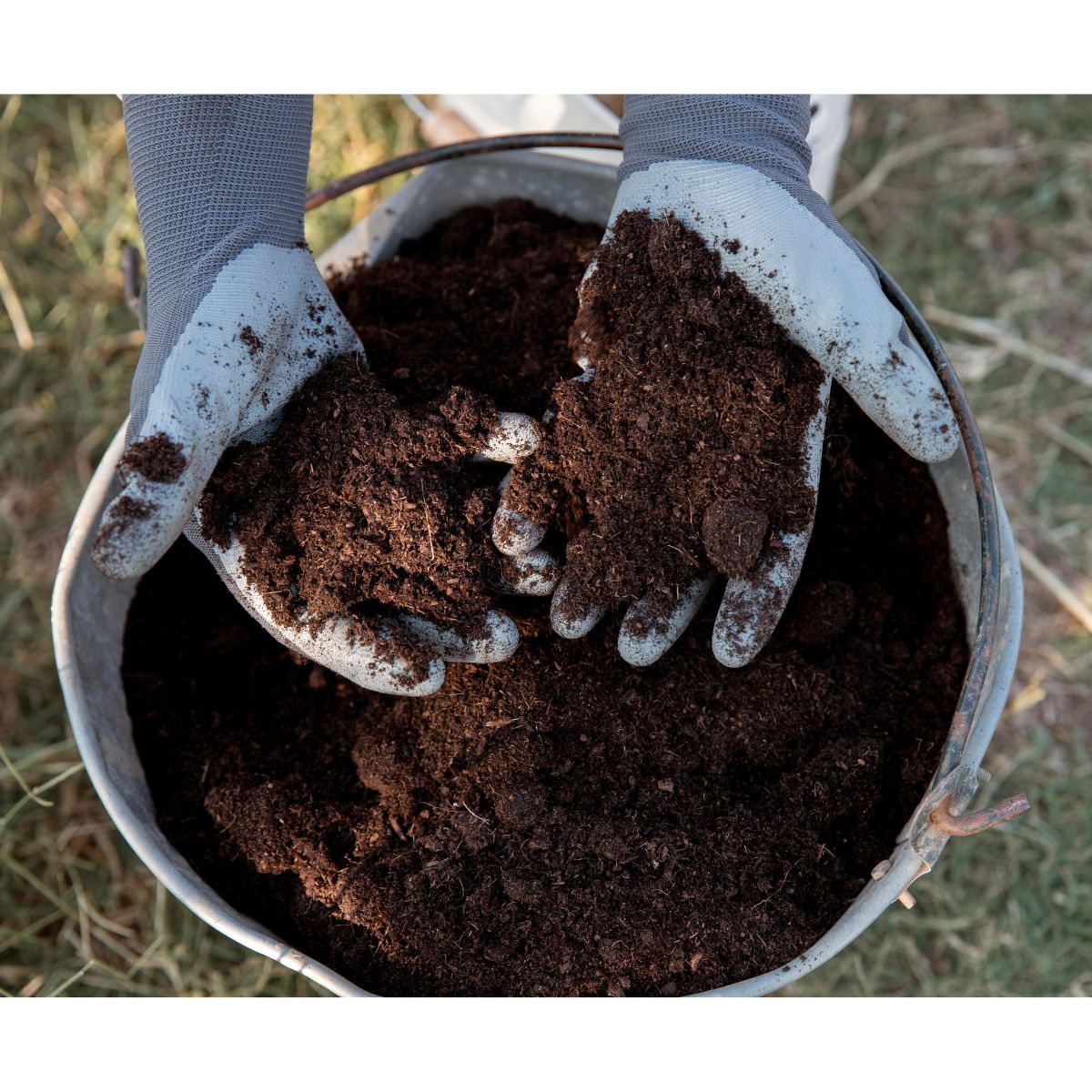
- Dark, crumbly texture
- Earthy smell
- Original bedding unrecognizable
- Most food gone
Easy Harvesting Method
Side-to-side migration:
- Push all contents to one side
- Add fresh bedding + food to the empty side
- Wait 2-3 weeks (worms migrate to the fresh side)
- Scoop finished compost from the original side
- Repeat every few months
Never harvest everything—leave 20% as a starter for the next batch.
Step 11: Using Vermicompost Correctly
Don’t Overuse
Too many causes: Root rot, burned seedlings, waterlogged pots.
Right Amounts
Potting mix: 10-20% vermicompost + 80-90% soil
Garden beds: 1/4-1/2 inch layer on top, work into top 2-3 inches
Transplanting: Small handful in planting hole, mix with soil
Seed starting: Only 5-10% (pure vermicompost too rich)
Best Uses
Vegetables: 20% for tomatoes/peppers, 10-15% for greens
Flowers: 15-20% for annuals, 10% for perennials
Houseplants: 10-15% in mix, works great for ferns, pothos
Succulents: 5% max (they prefer lean soil)
Liquid fertilizer: Steep 1 cup of vermicompost in 5 gallons of water for 24 hours. Strain, spray on plants every 2 weeks.
What are common vermicomposting mistakes?
You bought worms. Dumped scraps in a bin. Two weeks later: dead worms, horrible smell, fruit flies everywhere.
The real problem? Treating worms like garbage disposals instead of living creatures.
Three critical mistakes:
- Starting without understanding the worm’s needs (temperature, moisture, food limits)
- Expecting instant results (reality: 3-4 months to see compost)
- Overfeeding because “more food = faster compost” (actually = dead worms)
Good news: Fix these basics, and vermicomposting becomes genuinely easy.
Real Talk: Is This Right for You?
You’re a Good Fit If:
- Generate regular veggie/fruit scraps
- Have space with 55-77°F temperatures
- Can check bin weekly (5-10 minutes)
- Patient (3-6 months for first harvest)
- Want premium compost for the garden
Skip Vermicomposting If:
- Temperature extremes without climate control
- Squeamish about worms/insects
- Travel frequently
- Expecting instant, effortless results
- Very large family (too much waste—regular composting better)
Time Reality
- Setup: 2-3 hours once
- Weekly: 5-10 minutes
- Monthly check: 15 minutes
- Harvesting: 1-2 hours every 3-6 months
Can you commit to weekly 10-minute checks? If yes, you’ll succeed.
See more Best Organic Fertilizers for Vegetables (Natural & Safe)
Read more Top 10 Natural Ways to Improve Garden Soil
Common Myths Debunked
Myth: “Worms eat their weight daily.” Reality: Half their weight under ideal conditions. New bins are much slower.
Myth: “It’s odor-free.” Reality: Should smell earthy. Mistakes create terrible smells.
Myth: “Any worms work.” Reality: Only red wigglers thrive in bins. Garden worms die.
Myth: “Bigger bin = more compost.” Reality: Compost depends on worm population, not bin size.
Troubleshooting Quick Reference
Problem: Horrible smell → Overfeeding. Stop feeding, add dry bedding, and improve airflow.
Problem: Worms trying to escape → Check moisture, temperature, pH. Fix the issue, stressing them.
Problem: Fruit flies → Bury food deeper, freeze scraps before adding, cover surface.
Problem: Nothing decomposing → Too dry or too cold. Add moisture or move to a warmer spot.
Problem: Worms dying → Emergency: Remove food, add dry bedding, check all conditions.
Quick FAQ
How long until the first compost? 3-6 months. Be patient.
Year-round possible? Yes, with climate control (indoors or insulated outdoor bins).
Should it smell? Only earthy, forest-floor scent. Any bad smell = a problem to fix.
How much waste can worms process? 1 pound of worms handles 0.25-0.5 pounds of scraps daily initially. Increases as the population grows.
Safe for all plants? Yes, when properly diluted. Use 10-20% in soil for most plants.
Your Simple Start Plan
Week 1:
- Get a plastic storage tote (10+ gallons)
- Drill holes (bottom, sides, lid)
- Order 1 pound red wigglers online
Week 2: 4. Prepare bedding (cardboard + coir, wrung-out sponge moist) 5. Add worms, wait 24 hours 6. Start with 1-2 cups of scraps weekly
First 3 Months: 7. Feed weekly (only what they finish) 8. Check moisture weekly (squeeze test) 9. Bury food under bedding 10. Monitor temperature
Month 4+: 11. Harvest when ready (dark, crumbly) 12. Continue routine 13. Enjoy premium compost
Success = no smell + happy worms + regular compost production.
Start small. Watch your worms. Adjust as needed. Within 6 months, you’ll have a system that runs smoothly with 10 minutes of weekly effort.
The worms do the work. You just create the right conditions.
Simple as that.
What are the 4 ingredients in compost?
The four basic compost ingredients are:
- Greens (nitrogen-rich): food scraps, vegetable peels, grass clippings
- Browns (carbon-rich): dry leaves, cardboard, straw
- Water: keeps microbes alive and active
- Air: allows aerobic decomposition and prevents bad odor
A healthy balance of greens and browns is the key to successful composting.
Can I put banana peels in my compost?
Yes, banana peels are excellent for compost. They break down quickly and add potassium, phosphorus, and calcium, which support plant growth. Chop them into small pieces to speed up decomposition and avoid pests.
What are the ingredients of vermicompost?
Vermicompost is made from:
- Organic kitchen waste (vegetable scraps, fruit peels, coffee grounds)
- Bedding materials (shredded paper, cardboard, coco coir, dry leaves)
- Compost worms (usually red wigglers)
- Moisture and oxygen to support worm activity
The final product is worm castings, a nutrient-rich, microbe-dense natural fertilizer.