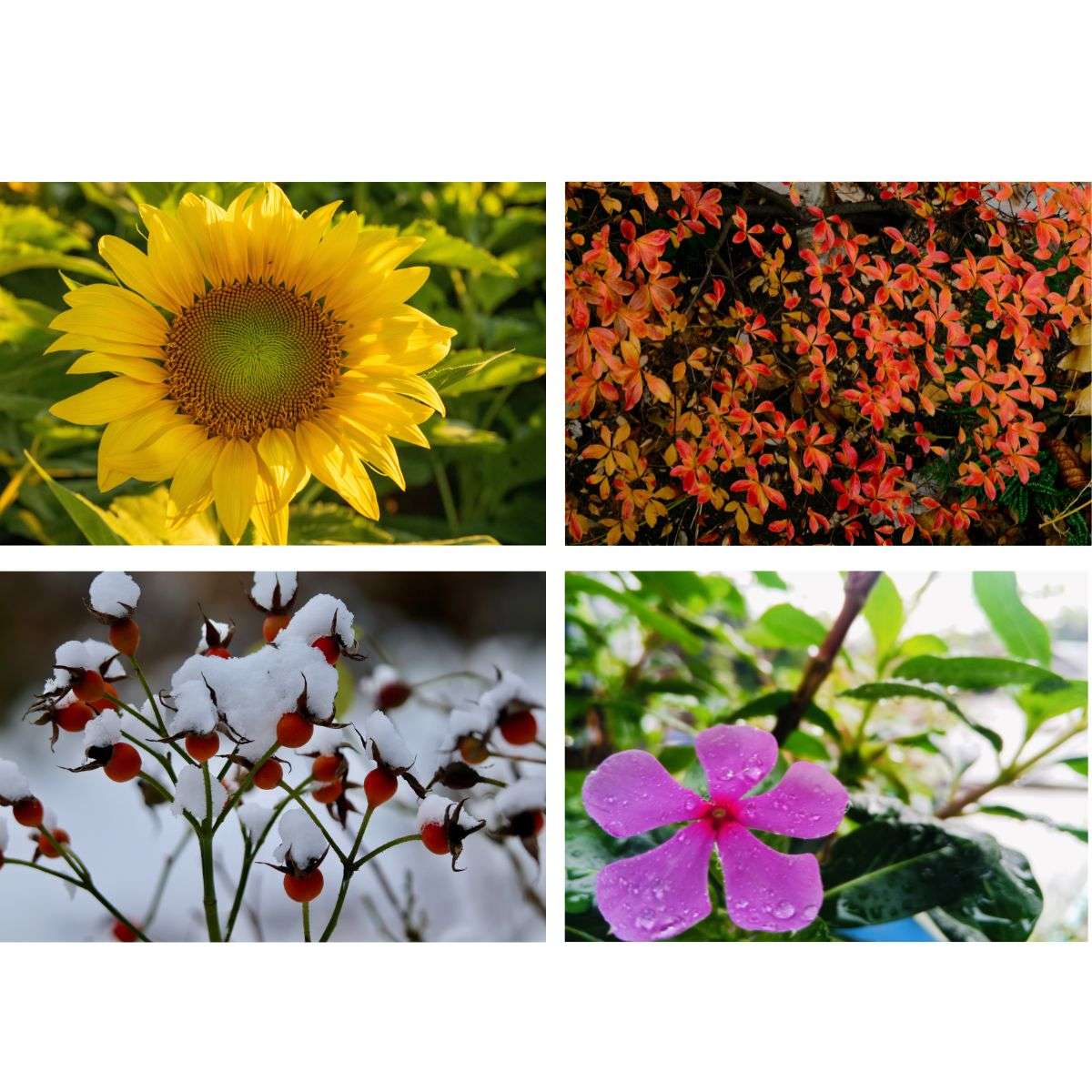
Best Flower Plants for Every Season and How to Grow Them
Understand Your Local Growing Season First
Why Calendar Months Alone Cause Failure
“Plant marigolds in May” sounds simple. But May in Atlanta means 75°F soil. May in Minnesota means late snowstorms. Same month, completely different results.
Your two most important dates:
- Last Spring Frost Date: Plant tender flowers after this
- First Fall Frost Date: Your warm-season window closes here
How to find yours: Visit almanac.com/gardening/frostdates. Enter your zip code. Write both dates down—they anchor every planting decision you make.
Real examples:
- Atlanta, GA: Last frost March 15 / First frost November 15
- Minneapolis, MN: Last frost May 1 / First frost October 5
- Denver, CO: Last frost May 7 / First frost October 7
- Phoenix, AZ: Last frost February 5 / First frost December 15
Microclimates in Your Own Yard Change Everything
Your yard has warm spots and cold spots that differ by 5-10°F from official readings.
Warm spots (plant earlier here):
- South-facing beds against brick walls
- Raised beds (soil warms 2-3 weeks faster)
- Areas sheltered from the wind
Cold spots (plant later here):
- North-facing beds where frost lingers
- Low areas where cold air settles
- Exposed, wind-swept corners
Simple test: Walk your yard on a frosty morning. Where frost melts first = warmest spot. Where it lingers longest = coldest.
This free observation saves more plants than any fertilizer.
Know What You’re Planting Before Choosing the Season
Cool-Season vs Warm-Season Flowers
This single distinction explains most planting failures.
Cool-season flowers love 55-75°F. They collapse in the summer heat.
- Pansies, snapdragons, sweet peas, larkspur, alyssum, calendula
- Plant in early spring or fall
- A pansy planted in June in Georgia is already dead—it’s not sick, it’s the wrong season.
Warm-season flowers need 65°F+ soil. Cold stunts or kills them immediately.
- Zinnias, marigolds, celosias, vinca, portulaca, impatiens
- Plant afterthe last frost when the soil warms
- Zinnias planted in cold soil turn purple (phosphorus can’t absorb below 55°F)
Annuals, Perennials, and Bulbs Follow Different Rules
Annuals: One growing season, done.
- Hardy annuals (pansies, larkspur): Plant before the last frost
- Tender annuals (zinnias, vinca): Plant after last frost
Perennials: Return each year. Fall planting often beats spring—roots establish in warm soil before winter, giving a full-season advantage in spring.
Bulbs: Two separate groups with opposite timing:
- Spring bloomers (tulips, daffodils): Plant in fall—they need cold to bloom
- Summer bloomers (dahlias, gladiolus): Plant in spring after frost passes
SPRING PLANTING
Early Spring: Plant Without Losing Everything to Late Frost
Cold-Tolerant Flowers You Can Plant Early
These handle frost once established. Plant 4-6 weeks before the last frost date:
- Pansies: Survive temperatures down to 25°F. Buy transplants for immediate color.
- Snapdragons: Germinate in 40°F soil. Handle light freezes well.
- Sweet peas: Prefer cold germination. Direct sow 4-6 weeks before the last frost.
- Larkspur and cornflowers: Direct sow in cold soil. Perform better with a cool start.
- Alyssum: Plant 2-3 weeks before last frost.
Check Soil Temperature Before Planting
Don’t trust the calendar. Trust the soil.
Use a cheap soil thermometer ($10-15). Push it 3-4 inches deep.
| Soil Temp | What to Plant |
| Below 40°F | Only pansies, larkspur |
| 40-50°F | Cool-season flowers slowly |
| 50-60°F | Most cool-season flowers |
| 60-65°F | Safe for warm-season flowers |
| 65°F+ | Tropical annuals (vinca, celosia) |
Protecting Plants From Surprise Late Frosts
Frost forecast after planting? Don’t panic.
Row covers/frost cloth: Cover plants before sunset. Provides 4-8°F protection. Remove during the day. Reusable for years. Cost: $15-30.
Improvised covers: Inverted plastic pots, old bedsheets, plastic jugs with bottoms cut off.
If frost already hit, don’t immediately pull damaged plants. Wait one week. Many “frost-killed” plants recover from their roots.
Mid-to-Late Spring: The Safest Window for Most Flowers
Why Soil Temperature Beats Air Temperature
Your flowers grow in soil, not air. This is the most important sentence in spring planting.
On a warm 65°F spring day, soil at 4 inches deep might only be 48°F after a cold, wet spring. Plant zinnias then, and they’ll sit yellow and struggling for weeks.
Wait until the soil hits 62°F. The same plant explodes with growth in days.
Speed up soil warming:
- Black plastic mulch over beds 2-3 weeks before planting (warms soil 5-10°F)
- Raised beds warm 2 weeks faster than ground beds
- Top-dress with dark compost (absorbs more solar heat)
Hardening Off: The Step Everyone Skips
Moving plants from the greenhouse directly outdoors kills them from shock—even if temperatures are safe.
7-14 day hardening schedule:
- Days 1-2: 1-2 hours outdoors in shade, sheltered
- Days 3-4: 3-4 hours, still shade
- Days 5-6: Morning sun, 4-5 hours, bring inside overnight
- Days 7-9: Most of the day outside, some afternoon sun
- Days 10-14: Full outdoor exposure, leave out overnight
Skip this, and you lose plants. I planted beautiful greenhouse snapdragons directly in April—half died from shock despite perfect temperatures. Identical transplants hardened properly two weeks later? Growing within 48 hours.
Garden center plants only need 3-5 days of transition. Indoor-grown seedlings need the full 2 weeks.
See more Top 10 Natural Ways to Improve Garden Soil
See more 5 Tips to Prepare Soil for a Vegetable Garden
Read more What Is Compost? Why It’s Important for Healthy Gardening
Read more How to Make Compost at Home Using Kitchen Waste
SUMMER PLANTING
Early Summer: Plant Heat-Lovers the Right Way
Best Flowers for Summer Planting
Once heat arrives reliably, these dominate:
- Zinnias: Direct sow in warm soil. Germinate in 5-7 days. Succession plant every 3 weeks.
- Celosias: Wait until soil hits 65°F+. Thrive when others struggle.
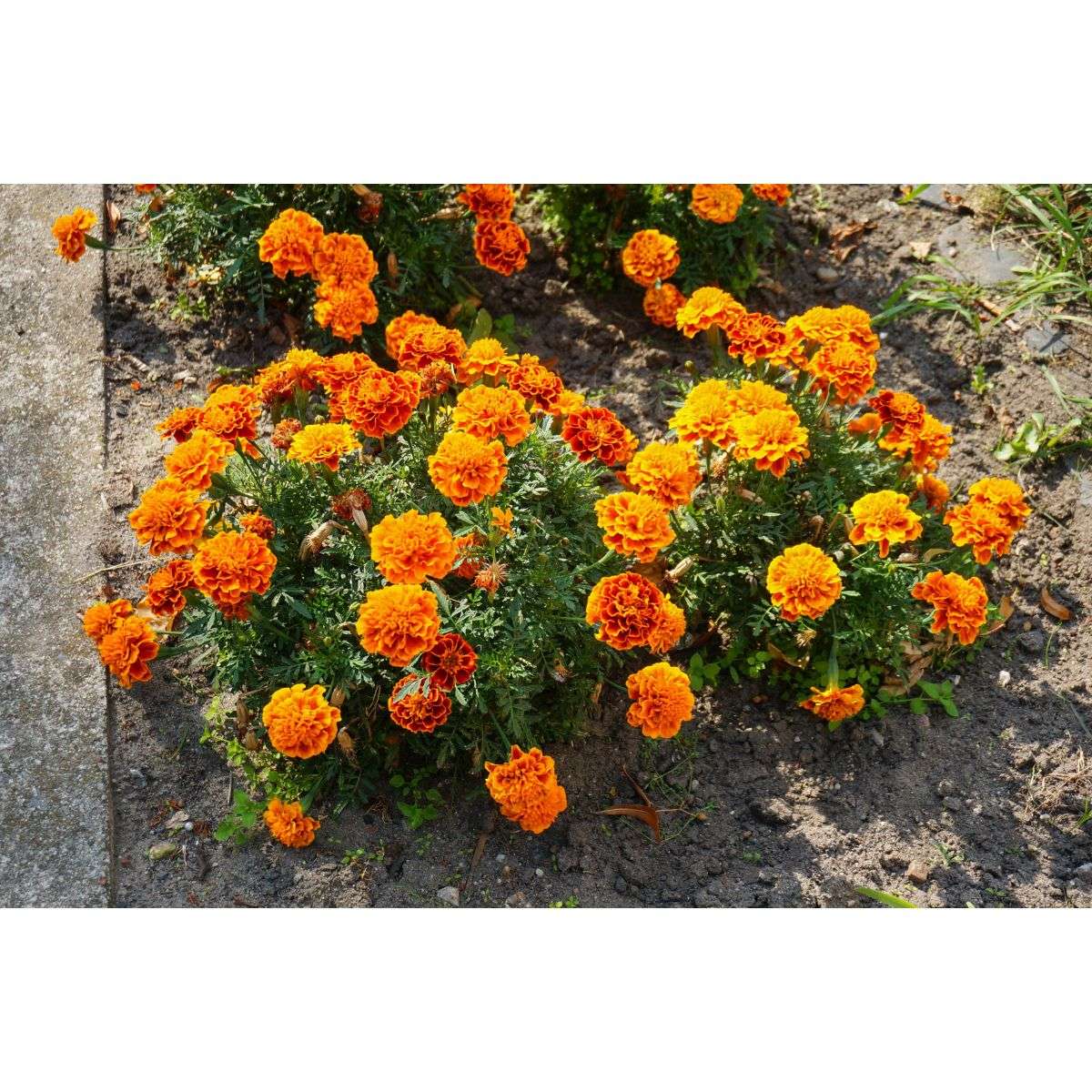
- Marigolds: Nearly indestructible in summer.
- Portulaca: Perfect for blazing hot spots. Loves heat and lean soil.
- Globe amaranth: Reliable blooms until frost. Genuinely loves heat.
- Sunflowers: Direct sow. Multiple plantings every 2-3 weeks extend the season.
Never Transplant at Midday in Summer
Midday planting (10 AM-4 PM) in summer damages roots before they can establish.
Best timing: Early morning (6-9 AM) or evening (after 5 PM).
If you must plant midday:
- Create immediate shade (propped cardboard, row cover)
- Water thoroughly before and after planting
- Keep shade on for 2-3 days
Mulch immediately after every summer transplant. A 2-3 inch layer of soil with a temperature of 10-15°F makes the difference between survival and wilting.
Late Summer: What Still Works Before Fall
When It’s Too Hot to Start New Plants
Midsummer, with consistent 90°F+ temperatures, is the hardest time to establish flowers. I don’t plant new flowers from seed during peak heat unless they’re specifically heat-adapted.
What still works in late summer:
- Larger transplants with established root systems
- Direct-sown heat lovers (marigolds, zinnias) if 8+ weeks before first frost, remain
- Late August: Start cool-season transplants as temperatures moderate
Preparing for Fall Transition
Late summer is perfect prep time—not wasted time.
Do this now:
- Add compost to tired summer beds (warm soil activates it before fall planting)
- Start pansy and snapdragon seeds indoors in late July/early August (6-8 weeks before September planting)
- Take stock of what needs replacing
See more 15 Proven Tips to Protect Your Plants in Summer Heat
See more Vegetable Watering Schedule Most Gardeners Get Wrong
Read more 10 Smart Ways to Save Water in the Garden
Read more How Often Should You Water Garden Plants?
FALL PLANTING
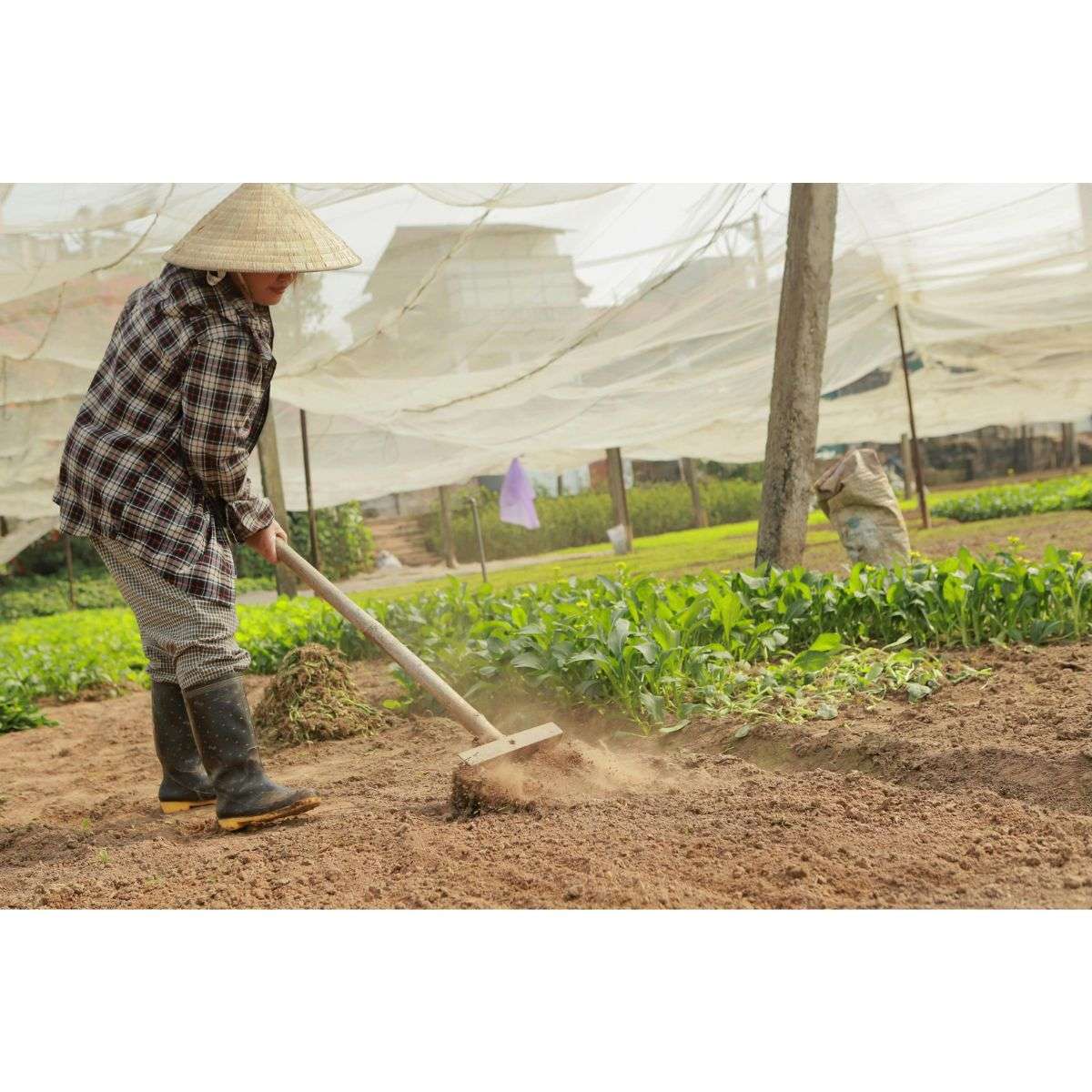
Why Fall Is Actually the Best Planting Season
The Secret Most Beginners Never Learn
Fall is genuinely better than spring for most perennials. Here’s why:
Fall soil is warm and welcoming. August-September soil holds summer’s warmth. Roots grow actively before winter.
No heat stress. Moderate declining temperatures = ideal establishment conditions.
Winter works for you. A September-planted perennial grows roots through October and November. During winter, roots continue slow growth in unfrozen soil. By spring, it has a full season’s root advantage over a spring-planted specimen.
Result: Fall-planted perennials often bloom in the first year. Spring-planted ones often wait until year two.
Best perennials for fall planting: Echinacea, rudbeckia, salvia, lavender, catmint, coreopsis, heuchera, asters (plant in fall for immediate fall color)
Spring Bulb Planting: Timing Is Everything
Spring bulbs (tulips, daffodils, hyacinths, alliums) need 12-16 weeks of cold to bloom. No cold exposure = no flowers.
When to plant by zone:
- Zones 3-5: September to mid-October
- Zones 6-7: October through November
- Zones 8-10: November-December (tulips need refrigerator pre-chilling 8-12 weeks first)
Depth guide:
- Tulips/daffodils/hyacinths: 6-8 inches deep
- Crocus: 3-4 inches deep
- Alliums: 3× their diameter deep
My hard lesson: Planted tulip bulbs in early September (soil still 65°F). Half rotted. Rest came up “blind”—leaves, no flowers. Waited for October the following year when the soil hit 50°F. Nearly every bulb bloomed perfectly.
Fall Planting Mistakes That Cause Winter Loss
Planting too late: Roots need 6-8 weeks to establish before a hard freeze. Don’t plant 2 weeks before the first frost.
Skipping mulch: Apply 3-4 inches AFTER the ground lightly freezes. This prevents freeze-thaw cycles that heave roots out of the ground—one of the top killers of fall-planted perennials.
Planting tender perennials in the wrong zones: Check hardiness zones. Marginal perennials at zone edges need protected spots and heavy mulching.
Late Fall: What Still Works
Surprising Things You Can Still Plant
Pansies for spring color: Plant pansy transplants in late fall. They look rough by December. But roots survive. In March, they’re among the first things blooming—weeks before spring-planted ones would catch up.
This is how professional landscapers get early spring color.
Garlic: Only plant in the fall. After the first frost, before the ground freezes. Harvest next summer.
Direct-sow cold-hardy seeds: Larkspur, cornflower, black-eyed Susan, and cleome benefit from natural winter stratification. Seeds planted in the fall germinate earlier in spring than spring-sown seeds.
When to Stop Planting
Simple test: Push a spade into the ground. If it rings hard and resists entry, the ground is too frozen. Stop planting.
Soil temperature guide: When the soil at a 4-inch depth stays below 40°F consistently, roots can’t establish before freezing.
WINTER STRATEGY
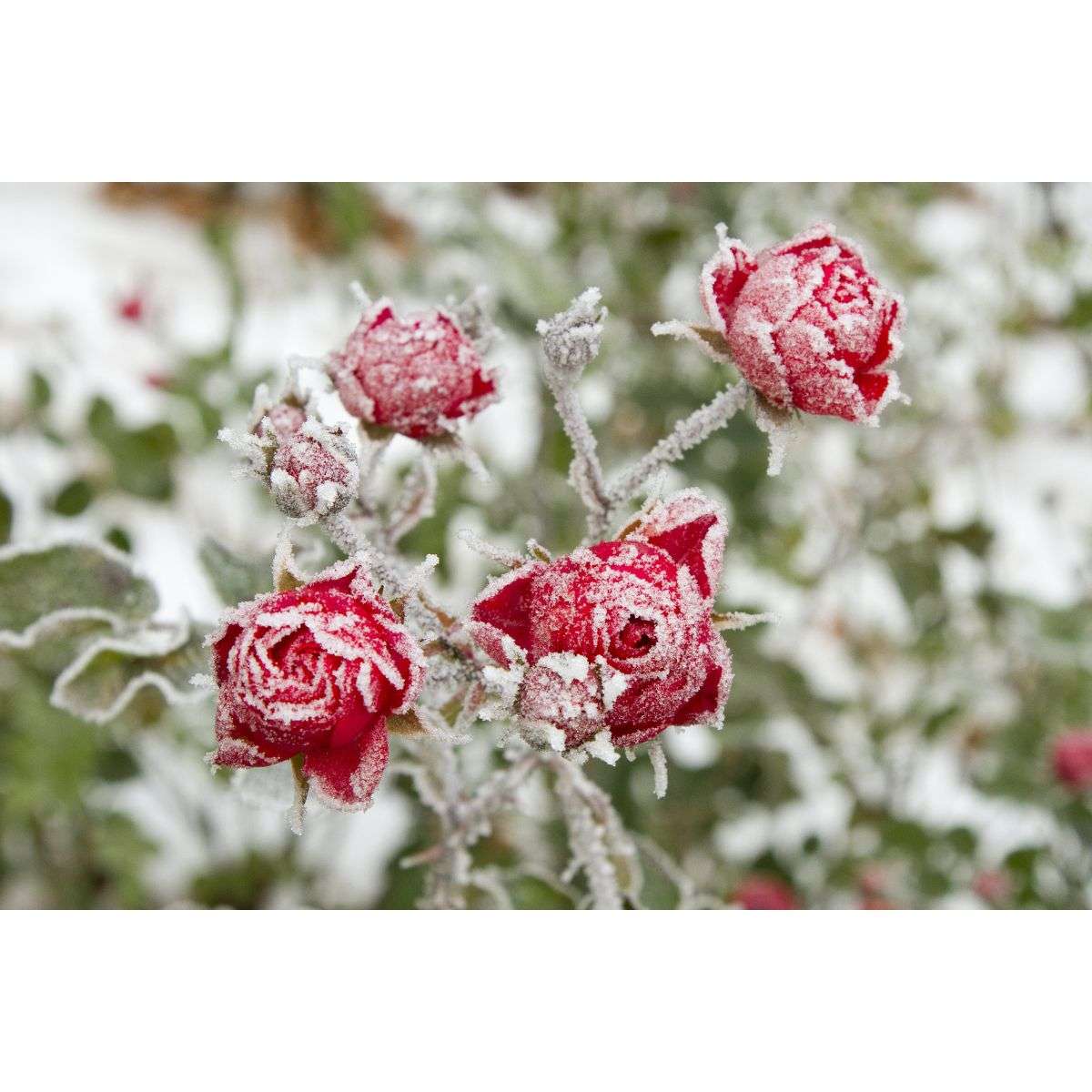
What You Can (and Cannot) Plant in Winter
Winter Sowing: The Underrated Technique
Winter sowing is one of the best-kept gardening secrets. Here’s how it works:
Use clear milk jugs as mini-greenhouses. Fill with potting mix and seeds. Leave outside all winter. Seeds stratify naturally and germinate when conditions are right in spring.
Why does it beat indoor starting for many plants:
- Seedlings are already hardened off (no transition needed)
- Sturdier, more compact plants
- Better germination for cold-stratification seeds
How to do it:
- Cut milk jug halfway around (leave hinge, don’t separate)
- Poke drainage holes in the bottom
- Fill with 3-4 inches of moist potting mix
- Sow seeds, close the container, and tape shut
- Label and place outside
- Wait—check occasionally for moisture
Best flowers for winter sowing:
- Echinacea (transforms with winter sowing)
- Black-eyed Susan, poppies, larkspur
- Cornflower, delphinium, lavender
- Sweet peas, phlox
Don’t winter sow: Impatiens, begonias, vinca—tropical flowers needing consistent warmth.
Mild Winter Climates (Zones 8-11)
Winter IS your growing season. The calendar runs opposite to cold climates.
Zone 8-9 winter flowers: Pansies, snapdragons, calendula, alyssum, sweet peas, stock, dianthus
Zone 10-11: Summer is often the “off season.” Winter is peak gardening time when comfortable temperatures allow plants to thrive.
Tulips in warm zones: Require refrigerator pre-chilling 8-12 weeks before planting. Without this, they won’t bloom.
Starting Seeds Indoors at the Right Time
The Counting-Back Formula
Last frost date MINUS weeks needed = indoor start date
| Flower | Start Indoors |
| Snapdragons, petunias, geraniums | 10 weeks before the last frost |
| Zinnias, marigolds, cosmos | 6-8 weeks before last frost |
| Sunflowers, cleome | 4-6 weeks before last frost |
| Larkspur, sweet peas, poppies | Direct sow outdoors (don’t start indoors) |
Preventing Leggy, Weak Seedlings
Leggy seedlings are the most common indoor growing failure—tall, pale, floppy plants that struggle to transplant.
Cause: Not enough light. Even a south window doesn’t provide enough winter light intensity.
Fix: Full-spectrum LED grow light ($25-40 for basic shop light). Keep lights 2-4 inches above seedling tops. Run 14-16 hours daily.
Other causes:
- Too warm (65°F is better than 75°F for seedlings)
- Started too early (stick to timing windows)
- Overwatered (water when the top of the mix dries)
Knowing When Seedlings Are Ready to Go Outside
Readiness checklist:
- ✓ 2-4 sets of true leaves (not just seed leaves)
- ✓ Compact, sturdy growth—not pale or spindly
- ✓ Roots visible on the outside of the root ball
- ✓ Completed hardening off process
- ✓ Within 1-2 weeks of last frost (for tender annuals)
YEAR-ROUND SUCCESS
Creating Continuous Blooms All Season
Layer Early, Mid, and Late Bloomers
Most gardens look spectacular for 3 weeks, then nothing. The fix is intentional layering.
Early season (March-May): Spring bulbs, pansies, snapdragons, bleeding heart, creeping phlox
Mid-season (May-July): Salvia, echinacea (starting), zinnias, marigolds, petunias, roses, daylilies
Late season (August-October): Echinacea (peak), rudbeckia, dahlias, asters, sedums, continued zinnias, and marigolds
The key: Each group overlaps with the next. No visual gaps. Different plants, continuous color.
Succession Planting for Extended Blooms
Sow the same plant every 2-4 weeks to extend bloom season instead of one big flush.
Best for succession:
- Zinnias: Plant every 3 weeks from last frost through midsummer. Blooms until hard frost.
- Sunflowers: Every 2-3 weeks from last frost
- Cosmos: Every 4 weeks through midsummer
Replacing Spent Flowers at the Right Moment
Don’t wait until cool-season flowers die to prepare replacements.
Start warm-season seedlings 4 weeks before summer heat kills pansies. When they fail, replacements are ready. No empty beds.
Same in reverse for fall: Have cool-season transplants ready before pulling summer flowers.
Signs You Planted at the Wrong Time and How to Recover
Identifying the Problem
Purple-tinted leaves on seedlings: Cold soil symptom. Phosphorus can’t absorb below 55°F. Don’t fertilize—it won’t help. Wait for the soil to warm.
Complete wilting after transplanting: Transplant shock from heat or skipped hardening off. Shade immediately, water thoroughly, and wait a week before giving up.
Bud drop without opening: Temperature fluctuations during bud development or heat stress. Shade helps; sometimes it’s just the plant’s natural response to the wrong season.
Nothing growing 3+ weeks after planting: Check soil temperature. Either too cold for warm-season flowers or too hot for cool-season ones.
Heat Damage vs Frost Damage
| Heat Damage | Frost Damage | |
| Appearance | Brown, scorched leaf edges | Water-soaked, dark, mushy tissue |
| Timing | Gradually over days | Suddenly overnight |
| Location | Exposed, sunny sides | The lowest parts of the plant |
| Recovery | Possible with shade | Pull or wait for root recovery |
Recovering Without Starting Over
Frost-damaged plants: Wait 5-7 days before pulling. Many recover from roots even when the tops look completely dead.
Heat-stressed cool-season flowers: Install 30% shade cloth. Extends pansy and snapdragon life by weeks in early summer.
Plants that never thrived: Observe when neighbors’ same plants perform well. Adjust timing next year. The plants aren’t wrong—the timing was.
See more 11 Ways to Attract Bees and Butterflies Naturally
See more Best Pollinator-Friendly Plants for Backyard Gardens
Read more Best Flowering Plants for Home Gardens (Easy to Grow)
Read more How to Start a Herb Garden at Home Without Any Experience
Adjusting for Your Climate Zone
Cold Regions (Zones 3-5): Short Season Strategies
With only 4-5 months of frost-free growing, every week matters.
Start almost everything indoors. In Zone 4 (last frost May 15), snapdragons started February 15 are blooming by June. Same plants direct-sown would just be establishing in June.
Choose fast-maturing varieties. “Days to bloom” on seed packets matters enormously when frost returns on October 1st.
Use row covers aggressively. Adds 4-6 weeks to your season – nearly 25% more growing time in Zone 4.
Embrace perennials. They’re growing in April when you can’t plant anything.
Hot Regions (Zones 9-11): The Inverted Calendar
Your cool season is winter. Your growing calendar runs opposite to cold climates.
Zone 9-10 Annual Calendar:
- October-December: Plant cool-season annuals
- January-March: Peak cool-season bloom
- May-June: Warm-season annuals before peak heat
- July-September: Heat heroes only (portulaca, vinca, celosia)
- October: Cycle repeats
Summer heat heroes for hot climates: Portulaca, Celosia, Vinca (Catharanthus), Gomphrena, Pentas
Create shade microclimates with trees or structures. Afternoon shade lets you grow cool-season flowers longer into spring.
Coastal and Humid Climate Adjustments
Pacific Coast: Cool, foggy summers mean cool-season flowers perform into summer when inland gardens are done. Warm-season flowers need the warmest spots available.
Pacific Northwest: Cool, wet spring delays warm-season planting until June. Fall extends well into November. Embrace the long cool season.
Humid Southeast: High humidity plus heat creates fungal disease pressure.
- Water early morning only (foliage dry by evening)
- Increase spacing (airflow prevents disease)
- Choose disease-resistant varieties
- Some plants fail from fungal collapse, not heat—diagnose correctly
Universal rule everywhere: Find your local cooperative extension service (free, university-based, every US county has one). Their planting calendars are researched for your exact location. More accurate than any national guide.
Your Year-Round Planting Quick Reference
Fill in your dates:
My last spring frost: ___________ My first fall frost: ___________
Use these dates for everything:
| Timing | What to Do |
| 10 weeks before the last frost | Start slow annuals indoors (snapdragons, petunias) |
| 6-8 weeks before last frost | Start most annuals indoors; plant pansies outside |
| 2-4 weeks before last frost | Harden off seedlings; plant hardy annuals |
| Last frost date | Plant tender annuals; direct sow zinnias, cosmos |
| 2 weeks after the last frost | Plant tropical annuals when the soil hits 65°F+ |
| Throughout summer | Succession-sow zinnias and sunflowers every 3 weeks |
| 6-8 weeks before first frost | Plant fall perennials; put out pansy transplants |
| 4-6 weeks before the ground freezes | Plant spring bulbs |
| Before the ground freezes | Winter sow cold-stratification seeds |
Frequently Asked Questions
When is the best time to plant flowers?
Depends on the flower type. Cool-season flowers (pansies, snapdragons) go in early spring or fall. Warm-season flowers (zinnias, marigolds) are planted after the last frost when the soil reaches 60-65°F. Use your specific frost dates—not generic calendar months—for accurate timing.
Can I plant flowers in summer?
Yes, if you choose heat-tolerant varieties (zinnias, marigolds, celosia, portulaca) and plant in the morning or evening. Avoid midday transplanting, mulch immediately, and water daily until roots establish. Midsummer is hardest for the establishment—spring and fall are easier.
What happens if I plant flowers too early?
Cool-season flowers: Often survive light frost. Warm-season flowers: Stunt from cold soil (purple leaves = phosphorus deficiency from cold), potentially die. Don’t fertilize—wait for the soil to warm.
What flowers can I plant in the fall for spring blooms?
Spring-flowering bulbs (tulips, daffodils, hyacinths, alliums) planted in fall bloom the following spring. Pansies planted in the fall establish roots, survive winter, and bloom earlier in spring than freshly planted spring pansies.
How do I know if my soil is warm enough to plant?
Use a soil thermometer at a 4-inch depth. Or bare-hand test: hold your hand 4 inches deep for 60 seconds. Uncomfortably cold = too cold for warm-season plants. For precise guidance: 50°F for cool-season flowers, 60-65°F for warm-season, 65°F+ for tropical annuals.
Get your frost dates. Know your flower type. Respect the soil temperature.
Those three things alone prevent 90% of timing mistakes.
Everything else is fine-tuning. Start with the basics, observe how your specific yard behaves, and adjust each season. Your planting timing improves every year you pay attention.
Now go plant something.