How to Care for Flowering Plants for Healthy Growth and Long-Lasting Blooms
Problem 1: Too Many Leaves, Zero Flowers
Why Plants Make Leaves Instead of Blooms
Your rose bush is 4 feet tall with gorgeous green leaves. Zero flowers. You’ve been feeding it religiously.
That’s the problem.
Excess nitrogen = leaf factory:
- Nitrogen promotes vegetative growth (leaves and stems)
- High-nitrogen fertilizer tells plants, “grow bigger, not flower.”
- The plant puts all energy into foliage, none into buds
Common nitrogen overload sources:
- Lawn fertilizer runoff
- Fresh manure (not aged)
- High-nitrogen liquid feeds (10-5-5 or higher first number)
- Over-application of any fertilizer
Plant immaturity:
- Some perennials take 2-3 years to flower
- First year: roots
- Second year: foliage
- Third year: blooms
This is normal, not a problem.
How to Trigger Flowering
Stop nitrogen, add phosphorus:
Immediately:
- Stop all fertilizer for 4 weeks (flush excess from soil)
- Switch to bloom fertilizer (low nitrogen, high phosphorus)
- Look for ratios like 5-10-5 or 10-30-10
Bloom fertilizer options:
| Product Type | N-P-K Ratio | Cost | Application |
| Bone meal | 3-15-0 | $8-12 | Works into the soil, lasts 3 months |
| Bloom booster | 10-30-10 | $10-15 | Liquid, apply every 2 weeks |
| Rock phosphate | 0-3-0 | $12-18 | Slow release, apply once yearly |
Application:
- Bone meal: 1 cup per plant, scratch into soil around base
- Liquid bloom: 1-2 tablespoons per gallon, water every 2 weeks
- Rock phosphate: 1-2 pounds per 100 sq ft
Timeline for seeing blooms: 4-6 weeks after switching to phosphorus-rich feeding
For immature plants:
- Provide optimal growing conditions (right light, water, soil)
- Be patient—forcing won’t help
- Feed balanced fertilizer (5-5-5) until mature
- The second or third season will bring flowers
Problem 2: Not Enough Sunlight
How Shade Stops Flowering
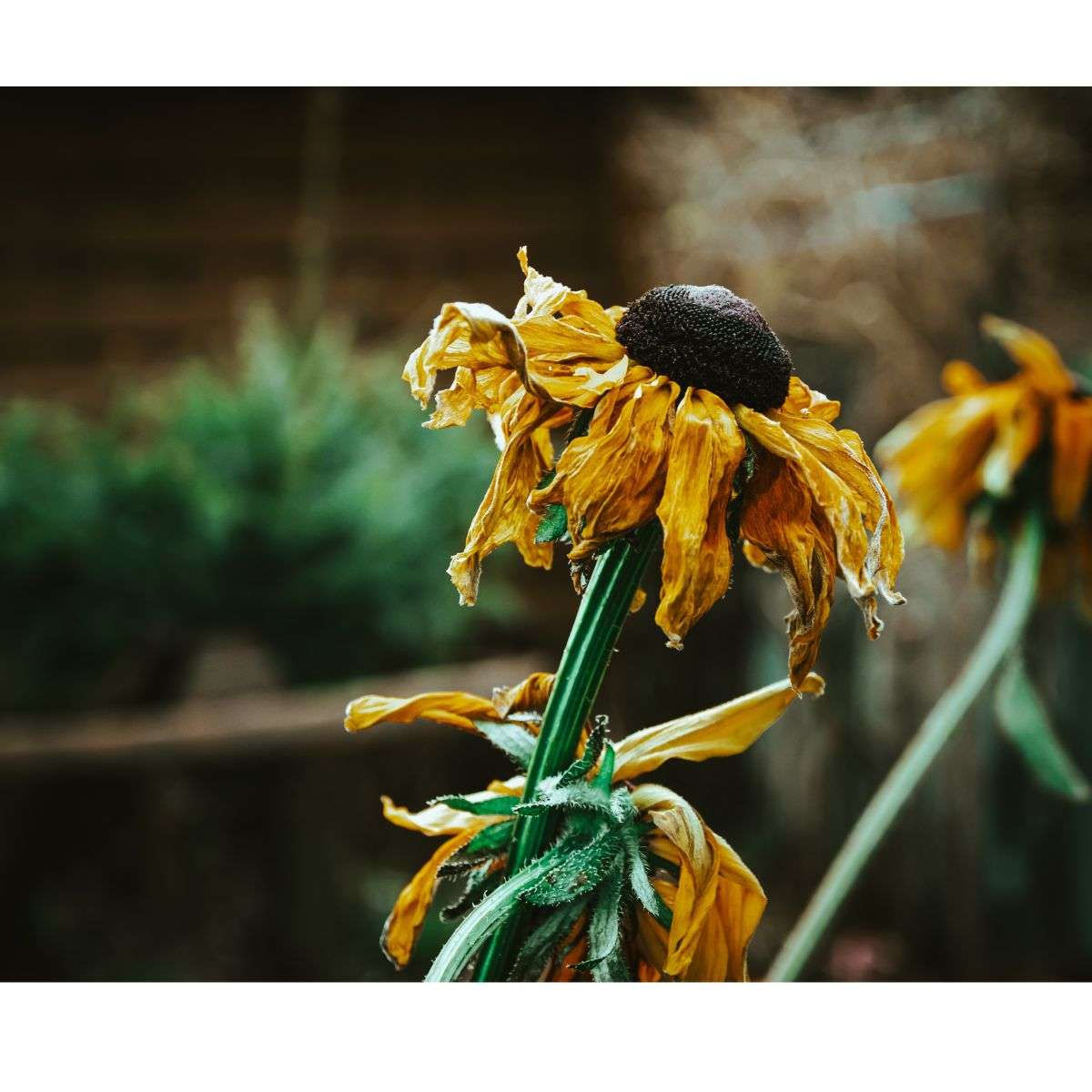
Light = energy. No light = no energy for flowers.
Photosynthesis produces the sugars plants need for bloom production. Insufficient light means insufficient energy.
Sunlight requirements by plant type:
| Plant Type | Daily Sun Needed | Examples |
| Full sun flowering | 6-8 hours direct | Roses, zinnias, marigolds, tomatoes |
| Partial sun/shade | 3-6 hours | Hydrangeas, impatiens, begonias |
| Shade flowering | 2-3 hours | Hostas, astilbe, bleeding heart |
What happens in the wrong light:
- Full-sun plants in shade: All leaves, no flowers
- Shade plants in full sun: Scorched leaves, stressed, few blooms
- Borderline light: Weak, sparse flowering
Seasonal changes matter:
- Spring planting in full sun → summer tree canopy creates shade
- Perfect light in June → too much shade by August
- Deciduous trees leaf out, changing the light conditions
How to Fix Light Problems
Diagnosis first—measure actual sun hours:
Simple test:
- Pick a sunny day
- Check the spot every 2 hours (8 AM, 10 AM, 12 PM, 2 PM, 4 PM, 6 PM)
- Mark when in direct sun vs shade
- Count total direct sun hours
Don’t guess. Measure.
Solutions by situation:
Outdoor plants—not enough sun:
Option 1 – Move them (best for containers, small perennials):
- Transplant to a sunnier location
- Do in the early morning or evening
- Water thoroughly before and after
- Best timing: spring or fall
Option 2 – Remove shade obstacles:
- Trim tree branches blocking light
- Remove or relocate large shrubs
- Consider tree removal if it blocks the entire garden
Cost: $100-300 for professional tree trimming
Option 3 – Accept partial blooming:
- Some flowering is better than none
- Shade-stressed plants often survive, but bloom less
Outdoor plants—too much sun (shade lovers scorching):
- Move to a shadier location
- Create artificial shade with shade cloth (30-50% reduction)
- Plant under tree canopy or on the north side of structures
Indoor plants:
Increase light intensity:
- Move closer to the window (within 3 feet)
- South or west-facing windows are best for flowering
- Clean windows (dirt blocks 20-30% of light)
Add grow lights:
- Full-spectrum LED grow light
- Position 6-12 inches above the plant
- Run 12-16 hours daily
- Cost: $25-60 for basic setup
Results: 4-8 weeks after correcting the light buds form, then flowers open.
Problem 3: Watering Problems
Overwatering Prevents Blooms
Wet soil = suffocating roots = no energy for flowers.
What happens:
- Roots need oxygen (found in air pockets in soil)
- Waterlogged soil = zero air = suffocating roots
- Damaged roots can’t absorb nutrients
- A plant stressed diverts energy from flowering to survival
Signs of overwatering:
- Yellow leaves despite wet soil
- Wilting when the soil is damp
- Mushy stems
- Fungal growth on the soil surface
- No new growth or flowers
Underwatering Prevents Blooms
Drought stress = survival mode = no flowering.
What happens:
- Water transports nutrients
- Insufficient water = no nutrient delivery
- Plant aborts flower buds to conserve resources
- Energy goes to keeping existing tissue alive
Signs of underwatering:
- Wilting (perks up after water)
- Crispy, brown leaf edges
- Bud drops before opening
- Stunted growth
- Dry soil
How to Fix Watering Issues
Check the soil before watering every time:
Finger test:
- Push finger 2-3 inches into the soil
- Damp = don’t water
- Dry = water deeply
For pots: Lift them. Light = dry, heavy = wet.
Correct watering by plant type:
| Plant Type | Watering Frequency | Method |
| Flowering annuals (petunias, zinnias) | When the top 1 inch is dry | Until it drains from the bottom |
| Roses, perennials | When the top 2 inches are dry | Deep soak 2-3x weekly |
| Succulents, drought-tolerant | When the soil is completely dry | Light watering, good drainage |
| Tropical flowering (hibiscus) | Keep slightly moist | Regular but not soggy |
Fix overwatering:
- Stop watering immediately
- Let the soil dry until the top 3 inches are dry
- Check for drainage problems (holes blocked, clay soil)
- Improve drainage: add perlite to pots, amend garden soil with compost
- Resume proper schedule
Fix underwatering:
- Water deeply until water runs from the drainage holes
- Set a regular schedule based on soil check
- Add 2-3 inches of mulch (reduces evaporation 50%)
- For containers: larger pots hold moisture longer
Timeline: 2-3 weeks of proper watering before the plant recovers and initiates buds.
See more – 10 Smart Ways to Save Water in the Garden
See more – 12 Most Common Irrigation Mistakes That Damage Your Plants
Read more – 10 Smart Ways to Harvest Rainwater for Your Garden
Problem 4: Poor Soil Quality
Nutrient Deficiency Stops Flowering
No phosphorus = no flowers. Period.
Phosphorus (P in N-P-K) is essential for flower and fruit development.
Phosphorus deficiency symptoms:
- Healthy leaves but no buds
- Purple-tinged leaves or stems
- Weak stems
- Reduced flowering or none at all
Potassium deficiency:
- Flowers are small or deformed
- Brown leaf edges
- Weak stems
- Poor disease resistance
Dead soil biology:
- Nutrients present but locked up in unavailable forms
- No microbes to convert organic matter to plant food
- Compacted soil with no life
How to Restore Soil for Flowering
Immediate bloom boost:
Add phosphorus directly:
- Bone meal: 1-2 cups per plant, scratch into soil
- Rock phosphate: Longer-lasting, 1-2 pounds per 100 sq ft
- Bloom fertilizer: Liquid application every 2 weeks
Long-term soil building:
Compost addition (fixes most soil problems):
- Add 2-4 inches around plants
- Work into the top 6 inches of soil
- Provides slow-release nutrients
- Feeds soil microbes
Frequency: Apply compost twice yearly (spring and fall)
Balance soil nutrients:
Get soil test ($15-30):
- Shows exactly what’s missing
- Prevents wasting money on guessing
- Adjust based on results
Order from: Local extension office or online labs (MySoil, SoilKit)
Typical flowering plant needs:
- pH 6.0-7.0 (slightly acidic to neutral)
- Moderate nitrogen
- High phosphorus
- Adequate potassium
- Trace minerals (magnesium, calcium, sulfur)
Rebuild soil life:
Add these to restore microbes:
- Compost (billions of beneficial organisms)
- Worm castings (1-inch layer)
- Mycorrhizal fungi (dust on roots when planting)
- Compost tea (spray monthly)
Stop using: Synthetic fertilizers—they kill soil biology over time.
Results: 6-8 weeks to see improved flowering from soil improvements.
Problem 5: Wrong Pruning Removes Flower Buds
How Improper Pruning Stops Blooms
You’re cutting off the buds before they can open.
Different plants bloom on different wood:
Old wood bloomers (bloom on last year’s growth):
- Lilacs, forsythia, azaleas, rhododendrons
- Hydrangeas (some types)
- Spring-flowering shrubs
Prune these immediately AFTER flowering. Prune in fall/winter = no spring blooms.
New wood bloomers (bloom on current season’s growth):
- Roses, butterfly bush, crape myrtle
- Hydrangeas (some types)
- Most summer-flowering plants
Prune these in late winter/early spring before growth starts.
Common mistakes:
- Pruning lilacs in fall (removes all spring flower buds)
- Shearing flowering shrubs into balls (removes flowering tips)
- Cutting back perennials too early in the fall
How to Prune Correctly
Identify bloom timing first:
| Plant | Blooms On | When to Prune |
| Lilac, forsythia | Old wood | Right after flowering |
| Roses (most) | New wood | Late winter/early spring |
| Hydrangea macrophylla | Old wood | After flowering |
| Hydrangea paniculata | New wood | Early spring |
| Spring bulbs | N/A | Let foliage die naturally |
General rules:
Spring bloomers: Prune immediately after flowering (May-June)
Summer/fall bloomers: Prune in late winter (February-March)
If unsure: Don’t prune at all until you know. Better safe than sorry.
Proper technique:
Light pruning (maintenance):
- Remove dead, damaged, diseased wood anytime
- Removing spent flowers (deadheading) encourages more blooms
- Thin overcrowded stems
Renewal pruning (rejuvenation):
- Cut 1/3 of the oldest stems to the ground
- Do this over 3 years to completely renew the shrub
- The plant keeps blooming while being rejuvenated
Recovery: If you’ve pruned incorrectly, the plant may skip one bloom season. Resume blooming following year if left alone.
Problem 6: Temperature Stress

Heat Stops Flower Production
Above 85-90°F, many plants abort flower buds.
Why does it happen:
- High temperatures disrupt flowering hormones
- Excessive evaporation stresses the plant
- Energy diverted to survival, not reproduction
- Pollen becomes non-viable (flowers don’t set fruit)
Heat-sensitive flowering plants:
- Pansies, violas (stop blooming above 75°F)
- Sweet peas (done by 80°F)
- Snapdragons
- Primrose
- Many spring bulbs
Cold Damages Flower Buds
Frost kills developing buds before they open.
Damage timeline:
- Light frost (32-28°F): Tender buds damaged
- Hard freeze (below 28°F): Most flower buds killed
- Prolonged cold: Delays flowering weeks
Temperature shock:
- Plant moved from 70°F indoors to 50°F outdoors = stress
- Sudden cold snap after warm spell
- Tropical plants are exposed to anything below 50°F
How to Protect From Temperature Stress
Heat protection:
Create shade:
- 30-50% shade cloth over plants during the hottest part of the day
- Position on the east side of the property (morning sun, afternoon shade)
- Use tall plants to shade shorter ones
Increase watering:
- Check the soil twice daily during heat waves
- Deep water in the early morning
- Mulch heavily (keeps roots cool)
Choose heat-tolerant varieties:
- Zinnias, marigolds, and portulaca thrive in heat
- Pentas, vinca, and lantana handle 95°F+ easily
- Celosia and gomphrena love hot weather
Cold protection:
Cover plants before frost:
- Use a frost cloth, old sheets, or blankets
- Cover before sunset (traps ground heat)
- Remove the next morning after temperatures rise
- Provides 4-8°F protection
Move containers indoors:
- Before the first frost
- To protected porch or garage
- Gradually acclimate (hardening off)
Mulch protection:
- 3-4 inches of organic mulch over the root zone
- Protects roots from freezing
- Apply after the ground freezes slightly
For tropical houseplants:
- Keep away from cold windows
- Minimum 60°F for most tropicals
- Hibiscus and orchids are sensitive to cold
Read more – 15 Proven Tips to Protect Your Plants in Summer Heat
Problem 7: Plant Too Young to Bloom
Why Young Plants Delay Flowering
Many perennials follow this pattern:
Year 1: “Sleep” (establishing roots)
Year 2: “Creep” (growing foliage)
Year 3: “Leap” (finally flowering)
This is normal, not a problem.
Plants taking 2-3 years to flower:
- Peonies (2-3 years)
- Bleeding heart (2 years)
- Daylilies (1-2 years)
- Clematis (2-3 years)
- Baptisia (3 years)
- Lavender (2 years)
Why is waiting necessary?
- The root system must establish first
- A plant needs a sufficient size to support flowers
- Genetic programming requires maturity
- Forcing flowering weakens or kills young plants
How to Support Plant Maturity
Provide optimal care while waiting:
Right conditions:
- Correct sun exposure for species
- Proper soil (well-draining, fertile)
- Regular watering (consistent, not erratic)
- Balanced fertilizer (5-5-5 ratio)
Don’t:
- Force flowering with bloom boosters (wastes money)
- Over-fertilize, trying to speed maturity
- Stress plant hoping to trigger blooms
Patience pays off: The second or third year brings abundant flowers for decades.
Exception—annuals: These should bloom in the first year, usually within 8-12 weeks of planting. If the annual won’t bloom, different problem (light, nutrients, water).
Problem 8: Root Problems
How Root Damage Stops Flowering
Roots provide everything flowers need. Damaged roots = no flowers.
Root rot:
- Caused by overwatering or poor drainage
- Roots turn brown/black, mushy
- Can’t absorb water or nutrients
- Plant focuses on survival, not flowering
Compacted soil:
- Roots can’t expand
- Limited nutrient access
- Restricted water absorption
- Stunted growth, no flowering
Root-bound containers:
- Roots circling the pot
- No room to grow
- Eventually can’t support flowering
- Growth stops completely
How to Fix Root Health
Fix root rot:
- Stop watering immediately
- Remove plant from soil (check roots)
- Cut away brown/black mushy roots (sterile scissors)
- Repot in fresh, well-draining soil
- Water only when the soil dries out
Recovery time: 4-8 weeks if caught early
Fix compacted soil:
In-ground plants:
- Carefully loosen the soil around the plant with a fork
- Add compost to improve structure
- Mulch to prevent re-compaction
- Never walk on planting beds
Fix root-bound plants:
Symptoms:
- Roots visible through drainage holes
- Water runs straight through without absorbing
- Growth slowed or stopped
- Wilting despite watering
Solution:
- Remove from pot (may need to cut pot)
- Loosen root ball (score sides with knife if severely bound)
- Tease roots outward
- Repot in a container 2-4 inches larger
- Use fresh potting mix
When to repot:
- Fast-growing annuals: Every season
- Perennials: Every 2-3 years
- Slow-growing plants: Every 3-5 years
Timeline: New growth and bud formation within 3-4 weeks after fixing roots.
Problem 9: Too Much Fertilizer
Over-Fertilization Stops Blooms
More fertilizer ≠ , more flowers. Often the opposite.
What excess fertilizer does:
- Nitrogen overload promotes leaves, suppresses flowers
- Salt buildup burns roots
- Nutrient imbalance blocks certain nutrients
- Plant stressed from toxicity
Signs of over-fertilization:
- Lush, dark green leaves, but no flowers
- White crust onthe soil surface (salt buildup)
- Brown, crispy leaf tips and edges
- Wilting despite moist soil
- Stunted growth despite “feeding.”
How to Fix Fertilizer Problems
Flush excess from soil:
For containers:
- Water thoroughly until it runs from the drainage holes
- Wait 10 minutes
- Water again thoroughly
- Repeat 2-3 times
- This washes excess salt out
For in-ground plants:
- Water deeply and slowly
- Let the soil drain completely
- Repeat the next day
- Improves the situation but takes longer
Stop all fertilizer for 4-6 weeks while the plant recovers.
Resume correct fertilization:
Use bloom-supporting fertilizer:
- Low nitrogen, high phosphorus (5-10-5)
- Half the recommended dose initially
- Every 2-3 weeks during blooming season
- Stop during dormancy
Organic alternatives (less likely to over-apply):
- Compost (1 inch layer, can’t overdo)
- Worm castings
- Compost tea
- Aged manure
Prevention:
- Always follow label rates
- When in doubt, use half-strength
- Less is more with flowering plants
Recovery: 4-6 weeks after flushing and stopping excess feeding.
See more – Compost vs Fertilizer: What’s the Difference?
Read more – Best Organic Fertilizers for Vegetables
Problem 10: Pests and Diseases
How Pests Destroy Flower Buds
Insects eat buds before they open:
- Aphids: Suck sap from buds, deforming or killing them
- Thrips: Feed inside buds, causing browning and failure to open
- Japanese beetles: Eat flowers and buds
- Budworms: Caterpillars boring into buds
- Spider mites: Suck plant juices, weakening the entire plant
Where they hide:
- Inside rolled buds
- Under leaves near buds
- In flower clusters
- You often don’t see them until damage is done
How Diseases Stop Flowering
Fungal infections:
- Powdery mildew (white coating on leaves)
- Botrytis blight (gray mold on buds and flowers)
- Rust (orange spots on leaves)
Effect: Plant diverts energy to fighting infection instead of flowering.
Bacterial infections:
- Leaf spots
- Wilts
- Crown rot
Viral diseases:
- Stunted growth
- Distorted leaves and flowers
- No cure—remove infected plants
How to Eliminate Pests and Restore Blooms
For pest problems:
Hand-picking (most effective for large insects):
- Check plants daily
- Remove beetles and caterpillars manually
- Drop in soapy water
Spray off with water:
- Strong stream removes aphids, mites
- Do early morning (leaves dry by evening)
- Repeat every 2-3 days
Insecticidal soap:
- Kills soft-bodied insects (aphids, mites, thrips)
- Must contact the insect directly
- Safe for plants and beneficial insects
- Spray early morning or evening
Neem oil:
- Controls various pests and some fungal diseases
- Spray every 7-10 days
- Apply when temperatures are below 85°F
For disease problems:
Improve air circulation:
- Prune overcrowded stems
- Space plants properly
- Don’t overhead water
Remove infected tissue:
- Cut off diseased leaves and buds
- Dispose (don’t compost)
- Sterilize pruners between cuts
Apply fungicide (if severe):
- Copper-based or sulfur fungicides (organic)
- Follow label directions
- Preventive works better than curative
Build plant immunity:
- Proper watering (not overhead)
- Good air flow
- Balanced nutrition
- Healthy soil
Timeline: 2-4 weeks after eliminating pests/disease, before the plant resumes flowering.
Problem 11: Wrong Plant for Your Conditions
Plant Genetics and Requirements
Some plants simply can’t bloom in your conditions.
Climate incompatibility:
- Tropical hibiscus in Zone 5 (too cold)
- Tulips in Zone 10 (not enough winter chill)
- Desert plants in humid climates (stress, disease)
Specific requirements not met:
- Orchids needing temperature drop to bloom
- Poinsettias requiring specific dark period
- Bougainvillea is experiencing drought stress
- Wisteria takes 7-10 years to flower
Day length (photoperiod) sensitivity:
- Short-day plants (poinsettias, chrysanthemums) need 12-14 hours of darkness
- Long-day plants need extended daylight
- Artificial light at night can prevent blooming
How to Match Plants to Conditions
Know your zone:
- USDA Hardiness Zone (cold tolerance)
- Heat zone (heat tolerance)
- Both matter for flowering success
Check plant tags:
- Hardiness zones listed
- Sun requirements
- Water needs
- Special requirements
Choose appropriate plants:
For cold climates (Zones 3-5):
- Peonies, daylilies, coneflowers, asters, bee balm
For hot climates (Zones 9-11):
- Bougainvillea, hibiscus, plumeria, lantana, pentas
For shade:
- Astilbe, hostas (foliage), bleeding heart, begonias, impatiens
For drought:
- Lavender, yarrow, sedums, coneflowers, Russian sage
For containers:
- Petunias, geraniums, calibrachoa, bacopa, verbena
If the plant won’t bloom despite perfect care, it might be the wrong plant for the location. Consider replacing with a better-suited species.
Problem 12: Environmental Stress
How Stress Prevents Flowering
Stressed plants enter survival mode—no energy for reproduction.
Common stressors:
- Transplant shock
- Drought then flood cycles
- Temperature extremes
- Wind damage
- Soil pH extremes
- Chemical exposure (herbicide drift, salt spray)
- Construction/digging near roots
What happens physiologically:
- Stress hormones (ethylene, ABA) increase
- These hormones block flowering hormones
- Energy redirected to survival functions
- Flowering shuts down until stress resolves
Chronic stress symptoms:
- Slow growth
- Yellowing leaves
- Leaf drop
- Weak, spindly stems
- No flowers despite reaching the expected bloom time
How to Reduce Stress and Trigger Blooms
Stabilize the environment:
Consistent care:
- Regular watering schedule (check soil, adjust as needed)
- Steady fertilization (not feast-famine)
- Protection from extremes
- Minimal disturbance
Correct growing conditions:
- Right sun exposure
- Appropriate soil
- Proper spacing
- Wind protection if needed
Post-transplant care:
- Water regularly first 4-6 weeks
- Shade from the hot afternoon sun temporarily
- Don’t fertilize for 2-3 weeks
- Mulch to maintain moisture
Gradual changes only:
- Moving plants: Acclimate slowly
- Changing care: Adjust incrementally
- Sudden changes = stress = no blooms
Restore plant health gradually:
Week 1-2:
- Correct obvious problems (water, light)
- Protect from further stress
- Don’t fertilize yet
Week 3-4:
- Begin light feeding (half-strength)
- Maintain stable conditions
- Monitor for improvement
Week 5-8:
- Resume normal care
- Expect bud formation
- Continue a consistent routine
Recovery timeline: 6-8 weeks from stress resolution to flower bud formation.
See more – Best Flower Plants for Every Season
Read more – Best Flowering Plants for Home Gardens
See more – How to Start a Herb Garden at Home Without Any Experience
Frequently Asked Questions
How long does it take for a plant to bloom after fixing problems?
Depends on the issue. Light or water fixes: 3-6 weeks. Nutrient deficiency: 4-8 weeks. Young plants: Next growing season. Stressed plants: 6-12 weeks. Most see buds forming within 4-8 weeks of correct care.
Why do my plants bloom in the store but not at home?
Nurseries use optimal conditions: perfect light, temperature control, professional fertilization, and no stress. Your home has different light, temperature, and humidity. Plus, transplant shock stops flowering temporarily. Give plants 4-6 weeks to adjust.
Can I force a plant to bloom?
Not safely. Bloom boosters help IF other conditions are right, but can’t force immature plants or wrong-condition plants to flower. Focus on meeting the plant’s actual needs rather than forcing.
What’s the best fertilizer for flowering plants?
Phosphorus-rich bloom fertilizer (middle number highest, like 5-10-5 or 10-30-10). Bone meal works long-term. Avoid high-nitrogen fertilizers—they promote leaves, not flowers.
Do I need to deadhead flowers to get more blooms?
Yes, for most annuals and many perennials. Deadheading (removing spent flowers) prevents seed formation, redirecting energy into new flowers. Plants like petunias, zinnias, and roses rebloom continuously when deadheaded.
My plant bloomed last year, but not this year. Why?
Common causes: Pruned at the wrong time (removed buds), environmental stress, nutrient depletion, moved to a different light, pest damage, or the plant needs division. Review what changed between years.
Should I give up on a non-blooming plant?
Not immediately. If the plant is healthy otherwise (good leaves, growing), keep providing proper care. Many plants skip a bloom year due to stress or age. If no blooms for 3+ years despite correct care, consider replacing witha better-suited species.
Bottom line: Non-blooming plants usually have fixable problems.
Start here:
- Count sun hours (need 6+ for most flowering plants)
- Switch to bloom fertilizer (phosphorus-rich)
- Fix watering (check the soil before watering every time)
- Check for pests and remove them
These four actions fix 80% of flowering problems within 4-8 weeks.
Blossoms are coming. You just need to give plants what they actually need—not what you think they need.
Simple as that.