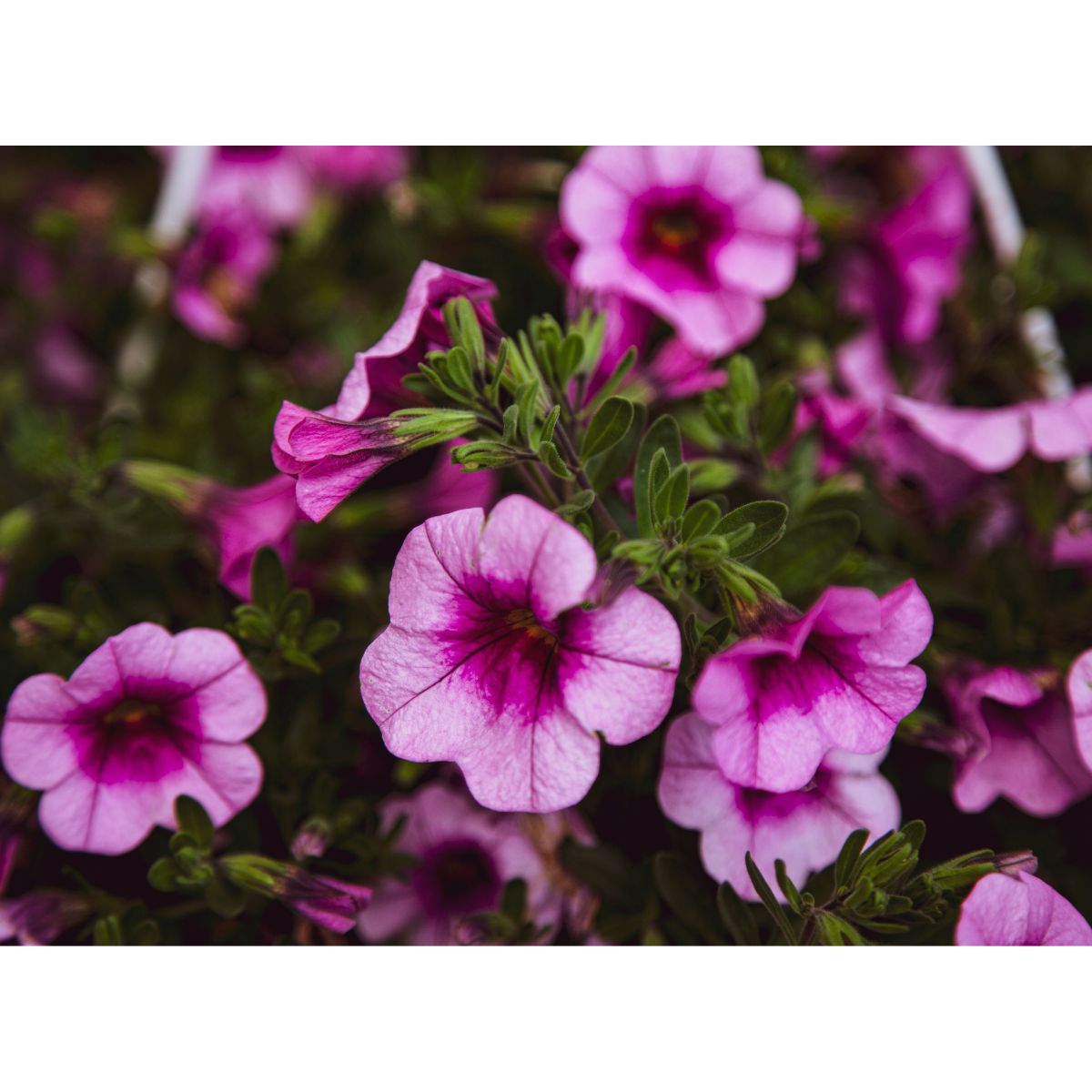
A To Z Guide how i Grow Calibrachoa from Seed
Nobody warned me it would be this hard.
I’d been growing flowers from seed for nearly thirty years when calibrachoa started appearing in garden centers in the early 1990s. The plants were extraordinary — cascading mounds of tiny petunia-like flowers in colors I’d never seen in any bedding plant, blooming from the day you bought them until the hard frost without a single deadhead.
But the plants were expensive. And they were all vegetatively propagated — cuttings from proprietary parent stock held under patent. You couldn’t buy seed anywhere. You couldn’t save it from purchased plants, with any expectation that the offspring would resemble the parent.
I spent three years trying to grow calibrachoa from seed before I had a result worth calling a success. Three years of too-wet trays, collapsed seedlings, interveinal chlorosis that wouldn’t respond to anything I tried, and germination rates so low I questioned whether the seeds were even viable.
Then I figured it out.
What I learned in those three years — and in the twenty-five more years of calibrachoa seed starting since — is what this guide is built on. Not recycled advice from the back of a seed packet. Real field experience with one of the most technically demanding seed-started flowers in home horticulture.
What You’re Getting Into: Calibrachoa Is Not a Beginner Seed Project
Let me be honest with you upfront, the way I wish someone had been honest with me in 1993.
Calibrachoa (Calibrachoa × hybrida) from seed is not a forgiving beginner project. It requires more precision at every stage than almost any common garden annual. The seeds are nearly microscopic. Germination requirements are specific. The seedlings are exquisitely sensitive to pH fluctuation, overwatering, and fungal disease.
And because most commercial calibrachoa sold today — including virtually every named variety in hanging baskets at your garden center — is vegetatively propagated from patented parent lines, the seed-grown calibrachoa you produce will not match those commercial varieties.
Seed-grown calibrachoa will be genetically diverse. You’ll get a mix of colors, habits, and flower sizes. Some will be extraordinary. Others will be ordinary. A few will disappoint.
If that appeals to you — if the idea of discovering something new and growing it entirely from scratch is exciting rather than frustrating — calibrachoa from seed is one of the most rewarding challenges in the annual flower garden.
If you want the specific ‘Million Bells Terracotta’ or ‘Superbells Blue Skies’ you saw at the nursery, buy the plant. Those are proprietary, patent-protected varieties that don’t exist as seed.
With that said, let’s grow something remarkable.
The Plant’s Botanical History
Most gardening guides skip this section. It explains everything about why calibrachoa behaves the way it does — and why standard growing advice for bedding annuals fails so consistently with this particular plant.
Calibrachoa was classified as part of the petunia genus (Petunia) until 1990, when Japanese botanists Atsushi Takakura and Shigeo Tokuoka reclassified it as a distinct genus based on chromosome count. Petunias have 14 chromosomes per haploid set; calibrachoa has 9. This botanical divergence matters practically, because calibrachoa and petunias respond differently to soil chemistry, pH, and nutrition — even though they look remarkably similar above ground.
The pH sensitivity that makes calibrachoa seedlings so challenging? It comes directly from the rocky, fast-draining, acidic hillside and cliff habitats of South America, where wild Calibrachoa species evolved. These plants developed iron uptake mechanisms calibrated for acidic, low-nutrient soils. Move them into the slightly alkaline conditions of standard potting mix, and those uptake mechanisms fail — producing the interveinal chlorosis (yellow leaves with green veins) that frustrates calibrachoa growers worldwide.
Understanding this tells you something essential: growing calibrachoa well from seed means working with its native soil chemistry, not against it. Everything downstream in this guide flows from this principle.
The Research Behind the pH Requirement
A 2018 study published in HortScience by researchers at Michigan State University — “Substrate pH Influences Iron, Manganese, and Boron Concentrations in Calibrachoa” — confirmed what growers had observed empirically for years: calibrachoa grown in substrates with pH above 6.0 shows significantly reduced iron and boron uptake, leading to interveinal chlorosis and reduced growth even when adequate nutrients are present in the medium.
The study identified the optimal substrate pH range for calibrachoa as 5.5 to 6.0 — considerably more acidic than the 6.0–7.0 range used for most bedding annuals. This is not a minor preference. At pH 6.5, iron availability in a typical peat-based growing medium drops by approximately 50% compared to pH 5.8. At pH 7.0, it drops further still.
This pH specificity is the master variable in calibrachoa culture. Get it right, and many other problems resolve themselves. Ignore it, and no amount of correct watering, fertilizing, or lighting fully compensates.
Seed Selection: Your Starting Point Determines Everything
Open-Pollinated Species Seed vs. Commercial Hybrid Seed
Calibrachoa seeds available to home gardeners fall into two distinct categories.
Open-pollinated species seed — primarily Calibrachoa parviflora, the small-flowered wild species — is available from specialty suppliers like Jelitto Perennial Seeds and a handful of botanically-oriented seed companies. These seeds reproduce with reasonable consistency. Germination rates from quality fresh seed are the best you’ll find for calibrachoa: 50–70% under good conditions.
Commercial hybrid seed — sold as “calibrachoa mix” by mainstream seed companies — is the result of controlled crosses between selected parent lines. These produce more color variation than species seed. Germination rates are typically lower, 40–60% from fresh stock, considerably less from old packets.
What you will not find in any legitimate seed packet: The named commercial varieties — Million Bells, Superbells, Can-Can, MiniFamous — are vegetatively propagated under plant patents and do not exist as true-breeding seed. Any supplier claiming to sell seed of these specific-named cultivars is selling something that won’t deliver what’s implied.
Seed Freshness Is Critical
Calibrachoa seed is tiny and degrades quickly under poor storage. Seed stored in warm, fluctuating-humidity conditions — a garden shed, a warm kitchen drawer — loses significant viability in a single off-season.
Buy from suppliers who print harvest or packed-for dates. Current-season calibrachoa seed shows noticeably better germination than year-old stock. Two-year-old seed often fails to germinate reliably regardless of technique.
Storage method for leftover seed: Sealed foil envelope inside an airtight glass jar with a silica gel packet, stored in the vegetable crisper drawer at 38–42°F. Under these conditions, calibrachoa seed maintains viable germination rates for 12–18 months.
Timing: The Window That Governs the Season
The Long Development Timeline
Calibrachoa is a slow developer from seed. Unlike impatiens or portulaca that move from seed to flower in 10–14 weeks, calibrachoa takes 12 to 16 weeks from seed to transplant-ready plant under good conditions. First flowers may not appear until week 14–18.
This long development time dictates when you start.
For most Northern Hemisphere temperate gardeners (Zones 5–8): Start seeds 14 to 16 weeks before your last frost date. For a gardener with a May 15 last frost date, that means starting in late January or early February.
Starting too early means rootbound, stressed seedlings that may bloom prematurely indoors — diverting energy from the root and vegetative development needed for a full summer display.
Starting too late means undersized plants at transplant time that take weeks longer to fill in and produce serious bloom.
In Zone 9–11 climates, Calibrachoa performs best as a cool-season annual. Start seeds in August or September for planting in October through an early spring display. In these climates, calibrachoa in summer heat is a losing proposition — grow it cool.
Soil and pH: The Non-Negotiable Foundation
Why Standard Seed-Starting Mix Fails Calibrachoa
Standard commercial seed-starting mixes are typically buffered to pH 5.8–6.5. For most seeds, fine. For calibrachoa, the upper end of that range is already problematic.
As plants grow in standard mixes and are watered repeatedly — particularly with alkaline tap water — the substrate pH drifts upward. By week four to six after germination, calibrachoa seedlings in a standard mix may be growing in a pH 6.5–7.0. At this level, iron becomes chemically unavailable even if adequate iron is present in the medium. The result: interveinal chlorosis — yellow leaves with green veins — that doesn’t respond to fertilizing and leaves gardeners bewildered.
The Right pH-Specific Growing Medium
Calibrachoa seed-starting mix (target pH 5.5–5.8):
- 2 parts peat moss or ericaceous (acid) potting mix
- 1 part coarse perlite
- ½ part fine horticultural sand
Peat moss is naturally acidic (pH 3.5–4.5) and brings the overall mix pH down from the neutral range. Combined with non-buffering perlite and sand, this produces a mix that typically tests at pH 5.4–5.7 — precisely in the calibrachoa sweet spot.
Test your mix pH before sowing. A basic soil pH meter costs $10–$15 and takes 30 seconds. This single step — verifying and adjusting pH before seeds go in — prevents the most stubborn and common failure in calibrachoa seed starting. If your mix tests above 5.8, add a small amount of finely ground agricultural sulphur and retest after 48 hours.
Water pH: The Hidden Variable
If your tap water is alkaline — pH 7.5 or above, which is common in many municipal supplies — regular irrigation will raise your substrate pH regardless of how carefully you’ve formulated the starting mix.
The practical solution: water calibrachoa with collected rainwater (naturally soft and mildly acidic) or with tap water acidified by adding approximately ¼ teaspoon of white vinegar per gallon. This sounds improvised. It works. The alternative is watching your seedlings slowly yellow over weeks without understanding why.
Sowing Calibrachoa Seeds
The Microscopic Seed Challenge
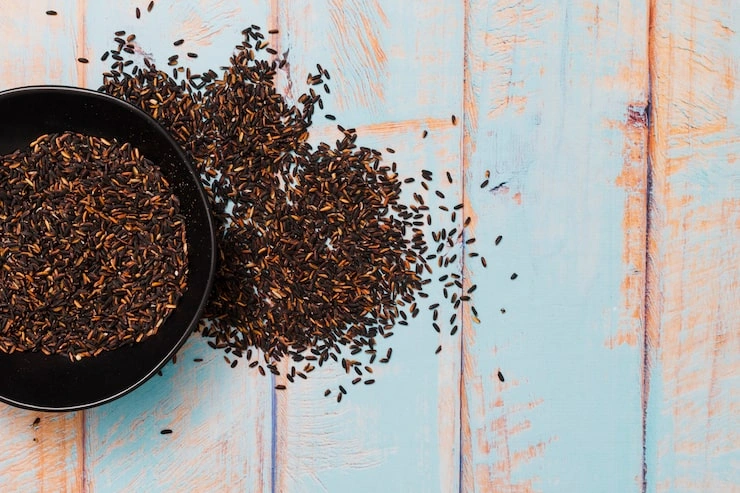
Calibrachoa seeds are genuinely tiny — against a white background, they resemble grains of fine black pepper. Working with them requires patience, still air, and methodical technique.
Surface sow calibrachoa seeds. Like petunia — its former genus — calibrachoa seed is light-dependent: it needs light contact with the soil surface to trigger germination. Do not cover with soil or vermiculite. Do not bury.
The technique:
Pre-moisten your acidic seed-starting mix until it reaches the wrung-out sponge consistency. Fill a shallow seed tray or individual plug cells and firm the surface gently with a flat piece of cardboard — level and lightly compacted, not packed.
Tap seeds from the packet onto a folded piece of white paper — the white background makes the seeds visible. Use the paper crease to guide seeds across the surface of the growing medium, distributing them as evenly as possible at approximately ½ inch spacing. Work in still air — even a slow overhead fan will scatter calibrachoa seeds unpredictably.
For maximum precision: use a dampened fine-tipped artist’s brush to pick up and place individual seeds. It’s slower, but the germination results from well-spaced, evenly distributed sowing are noticeably better than randomly scattered batches.
Press seeds gently against the surface with a flat piece of glass or clean plastic — not into the medium, just making gentle contact. This surface contact is critical for moisture uptake. Do not cover with any material.
Clear Dome Only
Place a clear plastic humidity dome over the seeded tray immediately. Surface-sown seeds will desiccate within hours without a humidity cover. But the cover must be clear — opaque covers block the light signal calibrachoa seeds need for germination.
Position the covered tray under grow lights or in a bright location immediately. A cabinet or dim room produces near-zero germination regardless of temperature and moisture.
Temperature: Precise but Moderate
The Germination Range
Calibrachoa seeds germinate at 65–75°F (18–24°C) soil temperature. Below 60°F, germination slows substantially. Above 78°F, germination rates drop — unlike tropical plants that need high heat, calibrachoa’s South American mountain-habitat origins give it a preference for mild conditions.
A heat mat set to 68–72°F provides the ideal bottom warmth. At this temperature range with adequate light and moisture, expect the first seedlings to emerge in 14 to 21 days. Fresh seed sometimes germinates faster — 10 to 12 days. Old seed may take 25–28 days or produce only scattered emergence.
One important calibrachoa-specific note: Unlike many seeds that germinate equally well in darkness or light, calibrachoa benefits from a normal light-dark cycle even during germination. Run grow lights during the day. Don’t store covered trays in completely dark locations.
Post-Germination Temperature
Once seedlings emerge, maintain 60–68°F (15–20°C) — slightly cooler than the germination phase. Mild temperatures produce compact, sturdy growth. Higher post-germination temperatures (75°F+) encourage leggy, stretched seedlings even in good light. If possible, move the tray to a slightly cooler location — around 62–65°F — once germination is complete.
Watering: The Calibrachoa Paradox
Calibrachoa presents a paradox for gardeners used to other bedding annuals. The mature plant is drought-tolerant — hanging baskets can handle a missed watering in ways that impatiens cannot. But the seedlings are exquisitely sensitive to both overwatering and underwatering, and the consequences of each look almost identical: yellowing, staling, eventual death.
Overwatering: Root rot from Pythium and Phytophthora species develops silently. Above-ground symptoms appear days to weeks after root damage is already severe. Bottom water when possible — set the tray in a shallow dish of water for 15–20 minutes, remove, and drain completely. Never leave calibrachoa seedlings in standing water.
Underwatering: Surface-sown seeds and newly emerged seedlings desiccate quickly when the humidity dome is removed. Growing tips bleach and die. Check moisture daily under the dome. Mist lightly with acidified water only when the surface looks pale and dry — the sealed dome maintains humidity effectively and requires less intervention than most gardeners expect.
The medium should feel like a wrung-out sponge throughout: damp but releasing no free water. Calibrachoa roots need the wet-dry cycle to stay healthy — persistent dampness is their enemy.
… How to Grow Chrysanthemums from Seed
… How to Grow Portulaca from Seed
… How to Grow Impatiens Flowers from Seed
… How to Grow Anthurium from Seed
Light: The Foundation of Compact Calibrachoa Seedlings
What Seedlings Actually Need
Calibrachoa is a highlight plant. Mature plants bloom most prolifically in full sun (6+ hours of direct sunlight), and seedlings have the same light appetite from the moment they emerge.
Insufficient light produces pale, stretched, weakly branching seedlings. In calibrachoa specifically, light-deprived seedlings show reduced lateral branching, which matters enormously because calibrachoa’s display quality depends entirely on a plant’s ability to produce multiple cascading stems, each carrying flowers.
The correct indoor light setup: Full-spectrum LED or fluorescent grow lights positioned 3–5 inches above seedling tops, running 14–16 hours per day on a timer. At this distance and duration, calibrachoa produces compact growth with short internodes and active branching.
A window — even a large south-facing window — is inadequate for calibrachoa seedlings in late winter. The combination of short days, low sun angle, and glass-filtered light delivers intensity levels 10–20 times lower than outdoor full sun. Grow lighting is not optional for this plant.
The Iron-Light Connection
This nuance is specific to calibrachoa and is rarely mentioned in beginner guides:
Iron uptake by plant roots is an energy-dependent process that requires active photosynthesis. In low light, the plant generates less photosynthetic energy, iron uptake slows further, and interveinal chlorosis becomes more pronounced — even in a correctly pH-balanced medium.
Better light helps calibrachoa take up iron more effectively. This is one reason why calibrachoa that looks yellow and stressed near a window often improves rapidly when moved to a high-output grow light setup — even before any pH or fertilizer adjustments are made. Light and pH interact for this plant in ways that don’t apply to most bedding annuals.
Fertilizing Calibrachoa Seedlings: Precision Over Generosity
The Phosphorus Problem
Calibrachoa’s fertilizer requirements are more specific than most bedding annuals — and more forgiving of under-feeding than of the wrong feeding.
Do not fertilize for the first two weeks after germination. The root system is too undeveloped to handle fertilizer salts without injury.
Weeks 3–6: Begin feeding with a low-phosphorus, acidifying fertilizer formulated for acid-loving plants — azalea or rhododendron fertilizer products that contain ammonium nitrogen as the primary nitrogen source. Ammonium-nitrogen fertilizers actually help lower substrate pH with each application, working with calibrachoa’s requirements rather than against them. Apply at 25% of the labeled rate, weekly.
Why low phosphorus specifically? Research from Purdue University’s Department of Horticulture on calibrachoa production showed that high phosphorus levels suppress iron uptake in calibrachoa by competing for absorption sites on root surfaces. Standard balanced fertilizers (20-20-20) and high-phosphorus bloom fertilizers (10-52-10) worsen iron deficiency in this plant. Use a formula with the middle number significantly lower than the first.
Iron supplementation: Given calibrachoa’s notorious iron sensitivity, I include chelated iron in my feeding program once seedlings are six weeks old. A dilute solution of iron chelate (EDTA or DTPA form) applied as a soil drench every four weeks directly supplements iron in a form the plant can absorb, even in slightly elevated pH conditions. The improvement in leaf color after the first iron chelate application on chlorotic calibrachoa seedlings is visible within a week — one of the most satisfying diagnostic confirmations in gardening.
The Pinching Technique That Transforms the Plant
Calibrachoa naturally branches, but encouraging early lateral branching produces a dramatically fuller plant. Most beginner guides mention pinching briefly. Here’s what they don’t tell you about how much it matters with this specific plant.
Once seedlings have 5–6 true leaves and reach approximately 3 inches tall, pinch or snip the growing tip just above the third or fourth leaf pair.
Each pinched stem produces two to four lateral branches within two weeks. These branches can themselves be pinched when they reach 2–3 inches. Two rounds of pinching before transplanting produce a plant that cascades beautifully from a hanging basket — dense, multi-stemmed, and covered in flowers. No pinching produces a spindly plant that fills in slowly.
Don’t pinch later than four weeks before your intended transplanting date — you’ll be removing developing bud tissue.
The thigmomorphogenesis effect is also worth noting: calibrachoa seedlings grown with gentle air movement from a fan develop measurably thicker, stiffer stems than seedlings grown in still air. Both the physical strengthening and the disease prevention value of airflow make it an essential part of the seedling care environment.
Transplanting Calibrachoa Seedlings
Signs of Transplant Readiness
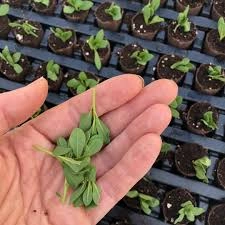
- Six to eight true leaves, actively growing
- Visible root development at drainage holes
- Active branching — at least two lateral branches from the main stem
- Dark green leaf color (yellowing seedlings are stressed; transplanting worsens stress)
At this stage, seedlings are typically 2–3 inches tall with a compact, bushy structure.
Moving to Individual Pots
Use the same acidic growing medium used for seed starting, or a quality ericaceous (acid) potting mix amended with 20–25% perlite. Maintain the pH between 5.5 and 6.0 in the transplant medium. Handle roots carefully — calibrachoa roots at the seedling stage are fine, white, and fragile. Support the root ball from below. Do not grip the stem.
Hardening Off
Ten to fourteen days of hardening off is mandatory. The intensity gap between indoor grow lights and outdoor sun is large, and calibrachoa’s thin leaves are prone to photooxidative bleaching when exposed to full outdoor sun without preparation.
- Days 1–3: Outdoors in full shade, 1–2 hours, then inside
- Days 4–6: Morning sun before 10 AM, 2–3 hours, then inside
- Days 7–9: Half-day outdoors, including direct sun, then inside
- Days 10–14: Full day outdoors in final location
Properly hardened calibrachoa that’s been grown with correct pH, adequate light, appropriate fertilization, and pinching is impressive at this stage — dense, branching, beginning to bud.
… How to Grow Peace Lily from Seed?
… How to Grow Kalanchoe Flowers from Seeds?
… How to Grow Vinca Flowers from Seed
… How to Grow Begonia from Seed?
Growing Calibrachoa in Containers Through Summer
The pH Maintenance Problem
Container calibrachoa growers face an ongoing challenge all season long: alkaline tap water raises container pH progressively with every watering. In a hanging basket watered daily through the summer heat, this drift is significant. A basket that started at pH 5.6 in June may be at 6.5–7.0 by August, and the plant’s iron uptake has been compromised for weeks before symptoms appear.
The telltale sign of midsummer pH drift: interveinal chlorosis on new growth — yellow leaves with green veins appearing on the youngest leaves. This is a current iron deficiency, not historical. It’s a live pH problem.
Correction: Water for several consecutive sessions with acidified water. Apply a chelated iron drench. Prune the most severely chlorotic growth. Within two to three weeks, new growth should emerge green if the pH has been corrected.
Prevention: Use rainwater for calibrachoa whenever possible, or acidify tap water routinely throughout the growing season. This single habit prevents the most common midsummer decline in container calibrachoa.
Feeding Through the Season
Feed everyone for two weeks with a liquid fertilizer formulated for acid-loving plants — low phosphorus, ammonium-nitrogen based. Continue chelated iron supplementation every three to four weeks. Stop if plants show signs of fertilizer burn (brown leaf tips and margins).
Common Problems and Real Diagnoses
Yellow leaves between green veins (interveinal chlorosis): Iron deficiency caused by pH above 6.0 — almost certainly. Test substrate pH. Acidify irrigation water. Apply chelated iron drench. Switch to ammonium-nitrogen fertilizer. Do not apply more regular fertilizer, hoping to solve the problem.
Seeds surface-sowed, but nothing germinated: Check in order — seed freshness, soil temperature (68–72°F, measured with a thermometer), light availability during germination (clear dome in a bright location), and substrate moisture. If all variables are correct and germination is zero after 28 days, the seed is not viable.
Seedlings emerged, then collapsed: Damping-off from Pythium or Botrytis. Improve airflow immediately. Remove collapsed seedlings. Allow the medium surface to dry slightly. If damping-off is widespread, discard the tray and restart with sterile medium in bleach-sanitized containers.
Plants bloom initially, then stop flowering midsummer: Either heat stress (above 90°F consistently — calibrachoa is a cool-preference plant) or pH drift causing nutrient lockout. Test pH. Correct with acidified water and chelated iron. Provide an afternoon shade filter in extreme heat climates.
Seedlings are leggy and pale despite being near a window: Grow lights are the only answer. Position lights 3–5 inches above seedling tops. No window placement substitutes for proper grow light intensity with calibrachoa in late winter.
Saving Seed from Your Best Plants
One of the hidden rewards of growing calibrachoa from seed is selecting from your results and building toward plants you’ve personally developed.
Calibrachoa seed pods are tiny and ripen quickly, releasing seed before most gardeners notice. Watch for the small capsules forming behind spent flowers — when they turn from green to a papery buff color, collect immediately by snipping the pod into a small paper envelope. Allow to dry at room temperature for one week before sealing and storing in the refrigerator.
Label everything. Mark plants with exceptional flower color or floriferous habit during the blooming season, so you know which plant’s seed you’re collecting. Over two or three seasons of selection and observation, you move meaningfully toward a calibrachoa lineage that reflects your own preferences and your specific growing conditions.
This is plant breeding at the home garden level. It’s what amateur gardeners did before the era of tissue-cultured, patent-protected cultivars dominated the bedding plant industry. The seed-grown, home-selected calibrachoa you develop over a decade is something no garden center can sell you.
… How to Grow Geranium from Seed
… 15 low mantainens flower that bloom all years
Summary After Fifty Years
Calibrachoa from seed is the most technically demanding annual flower I grow regularly. The pH requirements, the iron sensitivity, the microscopic seeds, the damping-off pressure, the grow-light dependency — every stage has a specific failure point.
But when it works, there is nothing quite like a hanging basket of calibrachoa you grew entirely from seed — dense, cascading, covered in hundreds of small flowers from June until November, in colors the garden center didn’t stock, from a plant you selected and grew yourself.
The three years I struggled with calibrachoa in the early 1990s were genuinely frustrating. But the lesson I finally learned — that pH is the master variable, that everything else connects back to the plant’s South American hillside origins — changed how I approach unfamiliar plants in general.
Every plant has a story written in its biology. Read that story, and growing the plant becomes comprehensible. Ignore it, and you’re guessing.
With calibrachoa, the story is specific, the requirements are real, and the rewards are genuine.
Honor the chemistry. The flowers will follow.