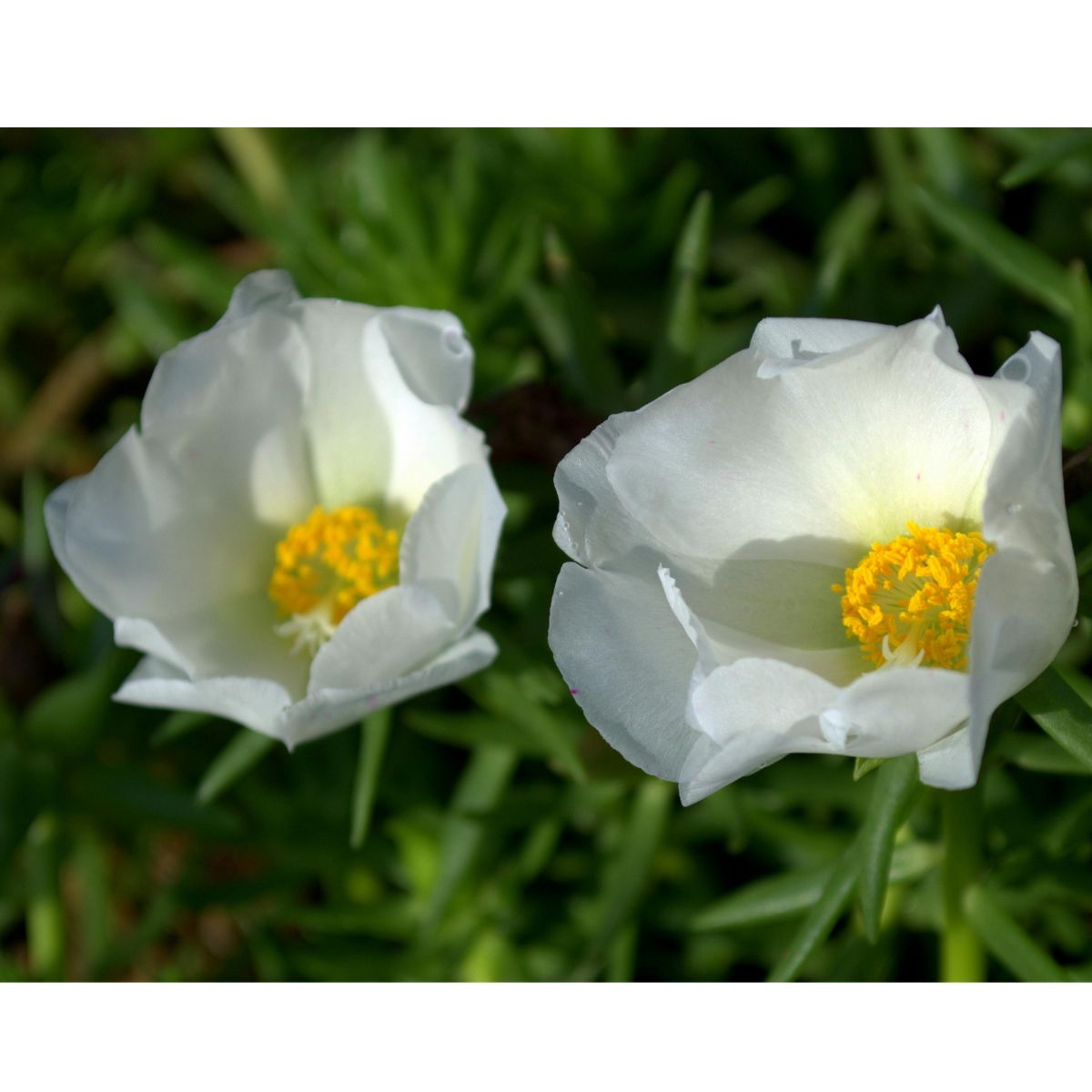
A To Z Guide how i Grow Portulaca from Seed
Timing the Seed Start
Portulaca is a warm-season annual that absolutely refuses to perform in cool conditions. Starting seeds too early indoors results in seedlings that are ready to go outside before outdoor conditions can support them — leading to weeks of stalled, stressed seedlings sitting under grow lights waiting for temperatures to rise.
The correct indoor start timing: 6–8 weeks before your last frost date, but only if outdoor temperatures will genuinely reach 65°F or above by transplant time. In Zones 7 and below, this means mid-March at the earliest for most gardeners.
In Zones 9–11, portulaca can be direct-sown outdoors in early spring as soon as soil temperatures reach 65°F, and again in late summer for a fall display. In these climates, indoor starting is unnecessary.
In Zones 5–6, starting indoors gives you a 4–6 week head start on the short warm season. In Zone 4 and colder, indoor starting is essential because the outdoor window for portulaca is genuinely brief.
Starting too late means seedlings hit the garden underdeveloped and produce fewer blooms before fall. Portulaca takes 8 to 10 weeks from seed to first flower under good conditions. That timeline dictates when you need to start.
Direct Sowing vs. Indoor Starting
Direct sowing works well for portulaca in warm climates where soil temperatures reach 70°F reliably in spring. The seeds are small enough that outdoor sowing requires windless conditions and a very fine, raked seedbed — any soil clumping or debris covers seeds too deeply.
In cooler climates, direct sowing is a gamble: soil temperature fluctuations, spring rain washing tiny seeds into unplanned locations, and the head start advantage that warm-region competitors have over a short-season portulaca all argue for indoor starting.
My practical recommendation: direct sow in Zones 9–11, start indoors everywhere else. The controlled environment of indoor starting — stable warmth, managed moisture, protection from the elements — produces far more reliable germination from these tiny seeds than outdoor conditions allow.
Soil Setup
Why Most Standard Potting Mixes Are Wrong
This is the point where most portulaca seed-starting guides fail the gardener. They recommend a standard seed-starting mix. The gardener follows the advice, then wonders why seedlings rot or growth stalls after germination.
Portulaca evolved in sandy, rocky, nutrient-poor soils across South America. Its roots are adapted to fast drainage and low fertility. Put it in a rich, moisture-retentive potting mix, and you’re creating conditions that are the opposite of its biological needs.
Problems with the standard potting mix for portulaca:
- Retains too much moisture between waterings — roots sit in damp medium far longer than portulaca tolerates
- High organic content and nutrient load promote excessive vegetative growth at the expense of flowering
- Compacts over time, reducing the drainage and aeration that portulaca roots require
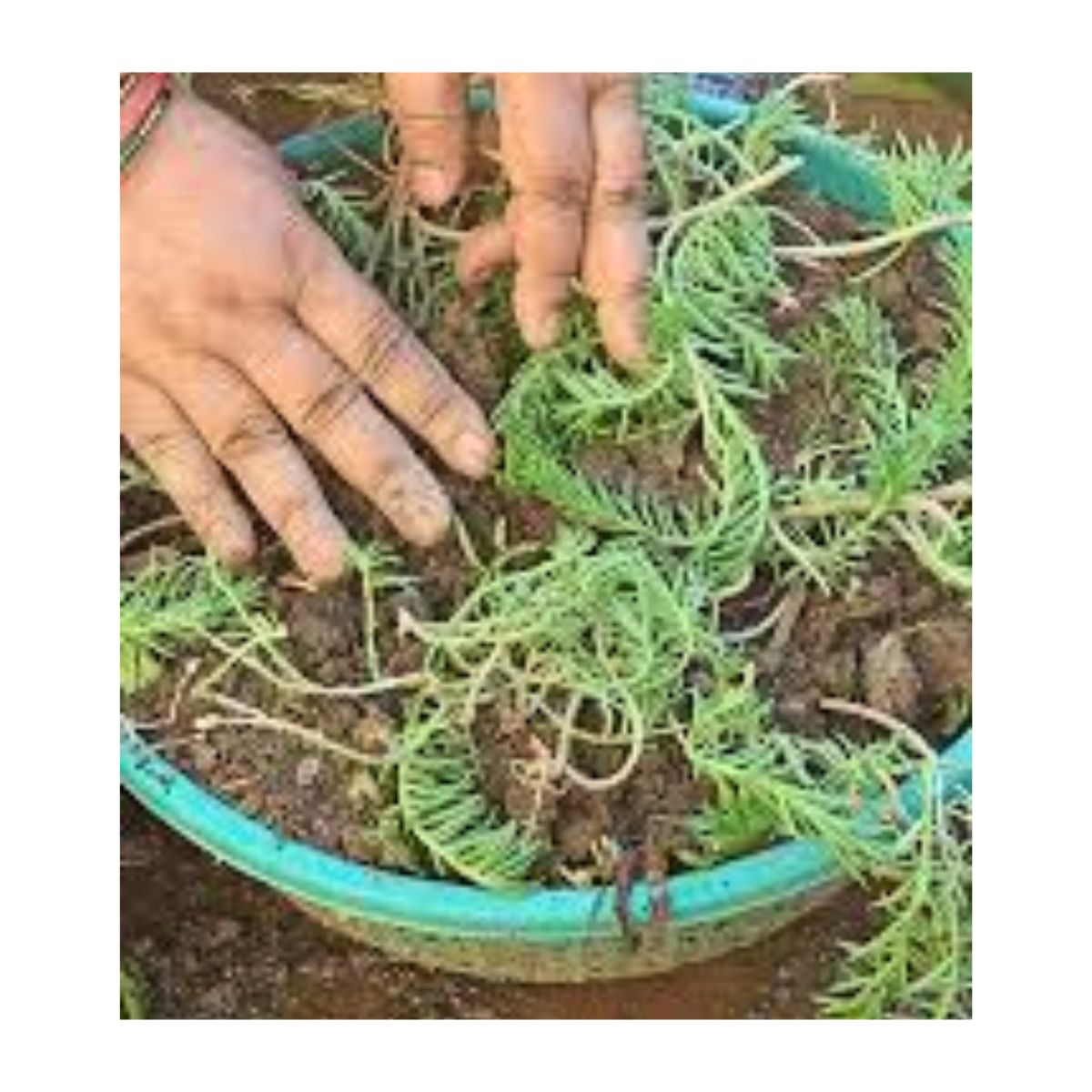
The correct portulaca seed-starting mix: 1 part commercial seed-starting mix, 1 part coarse perlite, 1 part fine horticultural sand. The resulting medium drains almost immediately after watering, stays open and aerated as it dries, and provides just enough structure for seed-to-medium contact during germination.
If this sounds too lean — too close to sand — that’s the point. Portulaca wants poor soil. The instinct to enrich the growing medium for better seedling growth works against this plant at every stage.
Sowing Portulaca Seeds
Surface Sowing — The Non-Negotiable Rule
Portulaca seeds require light to germinate. This is not a soft preference — it’s a physiological requirement driven by light-sensitive compounds in the seed coat. Buried seeds receive no light signal and do not germinate. Even covering with a thin layer of fine vermiculite reduces germination rates noticeably.
Surface sow portulaca seeds with zero covering.
The technique: pre-moisten your seed-starting mix in a large bowl until it reaches the wrung-out sponge consistency, then fill your seed tray or container firmly. Tap seeds directly from the packet onto a folded piece of white paper — the white background helps you see them — then use the paper crease to guide a thin distribution of seeds across the moistened surface.
Press seeds gently against the medium with a flat piece of cardboard. Contact between the seed and the medium surface is essential for moisture uptake. Seeds sitting loosely on top without contact desiccate quickly and fail to germinate.
Avoiding the Overcrowding Problem
Portulaca seeds are light enough that even careful sowing produces clusters. Because they’re so small, the human instinct is to shake more seeds out “just to make sure some germinate” — and the result is a mat of competing seedlings that are nearly impossible to separate without damage.
Aim for seeds spaced at least ½ inch apart. For open trays, this requires deliberate, slow sowing rather than a general dusting of seeds across the surface. For individual cells in plug trays, two to three seeds per cell is the maximum — and you’ll thin to one after germination.
Work in still air. Portulaca seeds are light enough to scatter with a breath or a minor air current. Close windows, turn off fans, and move slowly while sowing.
The Light Cover Problem
A common mistake: covering the seed tray with an opaque humidity dome. This maintains moisture — useful — but blocks the light that portulaca seeds need to germinate — fatal to the project.
Use only a clear plastic dome or clear plastic wrap. The light passes through, humidity is retained, and germination proceeds normally. Place the covered tray in bright light immediately — not in a dim corner, not in a cabinet, not under a shelf.
Temperature Management
Heat Is Not Optional
Portulaca germination requires consistent soil warmth. The minimum soil temperature for reliable germination is 70°F (21°C). The optimal range is 75–85°F (24–29°C). Below 68°F, germination becomes sparse and uneven. Below 65°F, most seeds in a batch will not germinate.
This requirement catches many gardeners who start portulaca in late winter. Room temperature of 70°F translates to soil temperature of 62–65°F in containers on countertops or floors — below the germination threshold for this plant. A seedling heat mat set to 78°F solves this definitively. Under a heat mat, portulaca germination typically begins within 7 to 14 days. Without one in a cool room, the same seeds may take three weeks — or not germinate at all.
At germination, portulaca is one of the fastest of any bedding annual when heat is adequate. At inadequate temperatures, it’s one of the slowest. The difference is entirely in the soil temperature, not the seed quality.
Fluctuating Temperatures and Uneven Germination
Homes where HVAC systems cycle through noticeable temperature swings — warm midday, cooler overnight — produce the uneven portulaca germination pattern that frustrates growers: some seeds sprouting quickly, others appearing over the following two to three weeks, and some never germinating at all.
The germination process in portulaca seeds is continuous and biochemically sensitive to temperature interruption. Each cooling cycle slows or pauses the process in seeds that haven’t yet broken through the seed coat. The result is the staggered emergence pattern that makes gardeners question their seed viability when the real problem is temperature consistency.
A thermostat-controlled heat mat running continuously through the germination period eliminates this problem. Fixed-temperature mats without thermostat control run slightly hotter or cooler depending on ambient conditions — they’re adequate, but the thermostat-controlled version is more precise and worth the modest additional cost for consistent results.
… How to Grow Impatiens Flowers from Seed?
… How to Grow Anthurium from Seed?
… How to Grow Peace Lily from Seed?
… How to Grow Chrysanthemums from Seed
Watering During Germination
The Overwatering Problem
Portulaca is a succulent. Its leaves, stems, and roots all store water. This means it handles drought as well as any flowering annual you can grow — but it handles overwatering worse than almost any of them.
During germination, the surface-sown seeds need moisture for contact with the growing medium, but the medium itself should never be saturated. Saturated conditions around germinating portulaca seeds create the anaerobic environment that promotes Pythium-driven seed rot, and the damage happens within days of planting.
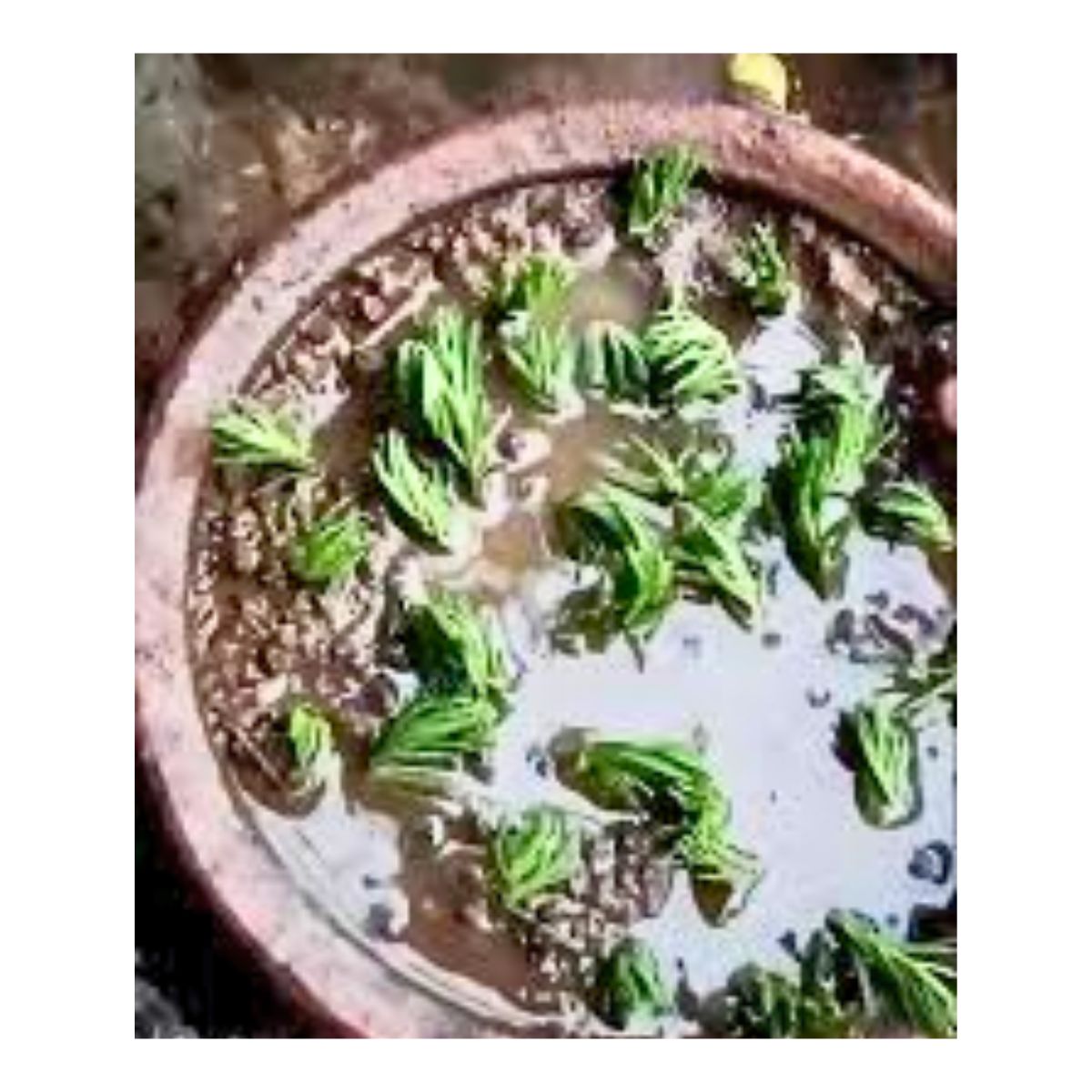
After pre-moistening the medium before sowing, the sealed clear dome reduces moisture loss enough that additional watering during germination is often unnecessary for the first week. Check daily by lifting a corner of the dome. If the surface looks uniformly dark and damp, leave it. If the surface appears pale and dry, mist lightly with a fine-spray bottle. Never pour water over the seed tray.
After Germination: Transitioning to Drought-Tolerant Care
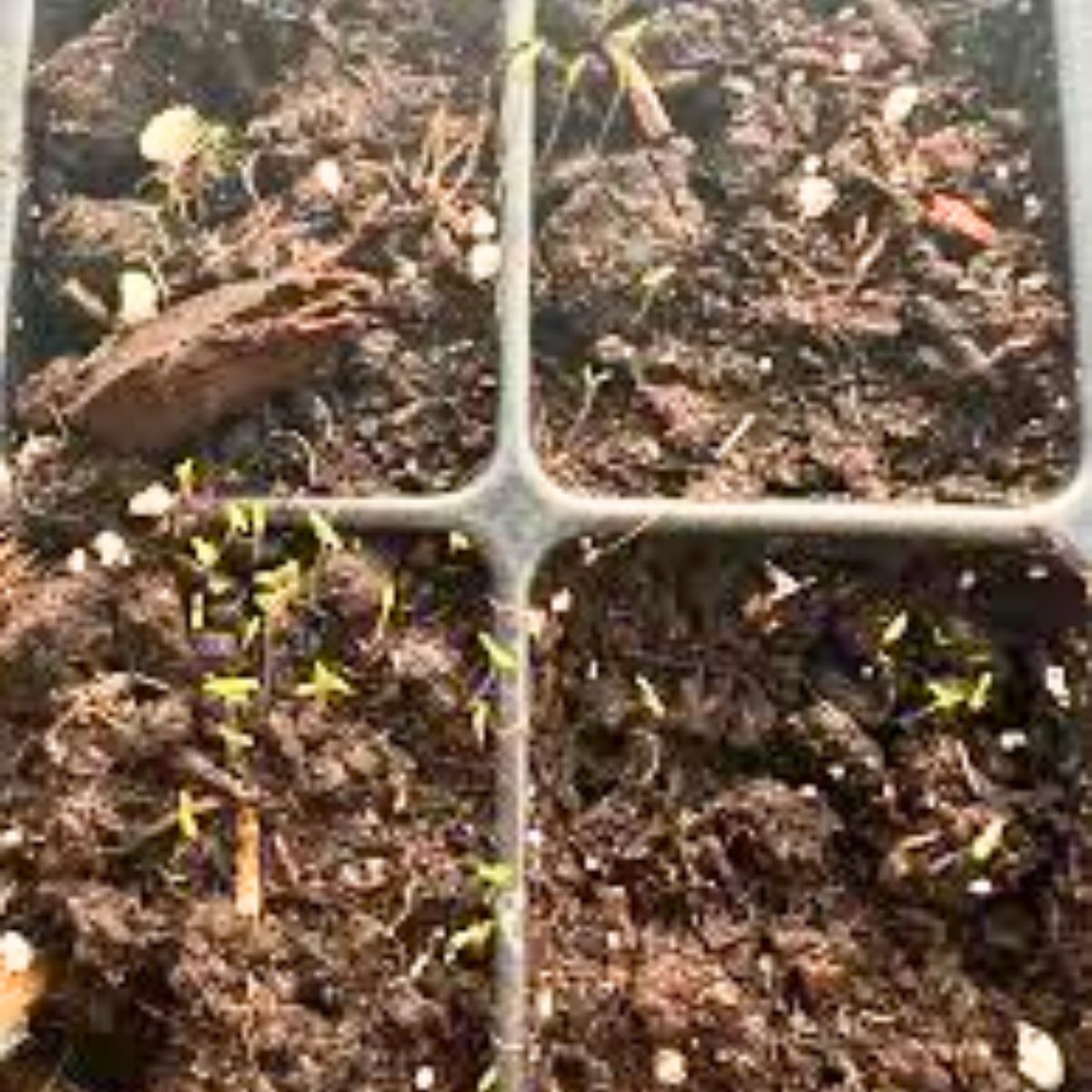
Once portulaca seedlings emerge — typically thin, hair-like stems with tiny paired leaves — they begin the transition to drier conditions immediately. This is counterintuitive with seedlings this small, but it’s biologically correct for this plant.
Remove the dome gradually over five to seven days. As you do, the medium will dry out more quickly. Begin watering only when the top half-inch of medium feels completely dry — not just slightly dry, but fully dry. Bottom-water by setting the tray in a shallow dish of water for 10–15 minutes, then removing and draining completely. Never leave portulaca seedlings sitting in water.
The mistake most gardeners make at this stage is applying vegetable-seedling watering frequency to portulaca. Checking daily and watering whenever the surface looks pale is appropriate for tomato seedlings — it drowns portulaca seedlings over the course of a week through root oxygen deprivation and fungal root rot, leaving plants that look healthy until they suddenly collapse.
Why Many Portulaca Seed Batches Fail Before Planting
Portulaca seeds are among the smallest of any common garden annual — they resemble fine black dust more than seeds. Because of their size, quality, and freshness problems that would matter less with larger seeds, total germination failures occur with portulaca.
Fresh seed matters significantly. Portulaca seeds stay viable for two to three years under proper storage, but germination rates drop noticeably in year two and can fall below 50% by year three. If you’re buying from a retailer with slow stock turnover — discount stores, dollar stores, or any vendor without a visible packed-for-date date — you’re likely buying old stock.
Check the packet date before purchasing. If it’s not printed on the packet, don’t buy that brand. Choose seed companies that print the packed-for-year clearly and are known for annual restocking: Burpee, Park Seed, Johnny’s Selected Seeds, and Renee’s Garden all handle portulaca seed with reasonable freshness standards.
Collected seed from garden plants is often excellent — portulaca self-seeds prolifically, and if you’re collecting your own, the seed is as fresh as it gets. Let the seed pods mature fully on the plant until they turn brown and begin to crack open naturally. Collect into a paper envelope, allow to dry at room temperature for a week, then store in a sealed container in the refrigerator.
Seed storage: the same rules apply as for any small-seeded annual. Cool (38–42°F), dark, and dry. A sealed container with a silica gel packet in the vegetable crisper drawer extends viability reliably. Room-temperature storage in a warm kitchen or garden shed degrades portulaca seed faster than almost any other storage mistake.
Seedling Care and Development
Light Requirements After Germination
Portulaca demands full sun. Not bright indirect light — full, direct sun for a minimum of 6 hours per day, and more is better. Seedlings growing under conditions that would satisfy most other plants will be weak, pale, and leggy in Portulaca.
Under grow lights, position the light source 3–5 inches above the seedling tops and run 14–16 hours per day. LED full-spectrum grow lights at this distance provide adequate intensity for compact seedling growth. Fluorescent shop lights work but need to be even closer — 2–3 inches — to deliver comparable intensity.
Window-grown portulaca seedlings in late winter are almost always insufficiently lit, regardless of window direction. The combination of short days, low sun angle, and light filtered through glass produces light levels that are 5–10 times lower than what portulaca seedlings need for healthy development. Supplemental grow lighting is the correct solution, not searching for a brighter windowsill.
Leggy Seedling Causes and Fixes
Portulaca seedlings that are tall, pale, and thin — stretched toward the light with long gaps between leaf pairs — are experiencing light deficiency. The plant is etiolating: sacrificing structural integrity to reach adequate light.
Once etiolation has occurred in a seedling, it cannot be fully reversed. The stretched stem tissue doesn’t compact back to normal proportions. You can improve the going-forward growth by correcting the light immediately, and the new growth will be compact and healthy — but the leggy section of the stem remains.
Prevention is far more effective: get grow lights close enough, keep them running long enough, and maintain this from the moment seedlings emerge. Don’t wait to see leggy growth before acting on lighting.
Thinning Seedlings
Portulaca seedlings in clusters need thinning to one plant per cell or one plant per 2 inches of open tray once the first true leaves appear. Use scissors — not fingers — to snip surplus seedlings at the soil line. Pulling them out disturbs the roots of the seedlings you want to keep.
The temptation to leave clusters intact “to be safe” is a false economy. Clustered portulaca seedlings compete for light and root space, none developing as strongly as a single plant would in the same space. Think decisively.
Transplanting Portulaca Seedlings
When Seedlings Are Ready
Portulaca seedlings are ready to transplant when they show three to four pairs of true leaves and roots are visible at the container’s drainage holes. At this stage, the root ball holds together when the plant is gently removed from its cell — a sign that the root system has colonized the medium rather than sitting loosely in it.
Before this point, transplanting creates unnecessary stress. Portulaca can handle stress better than many annuals once it’s established, but the seedling stage is the exception — underdeveloped roots don’t recover quickly from transplant disturbance, and the setback can push first flowering back by several weeks.
Hardening Off — Critical for This Plant
Portulaca grown indoors under grow lights needs a proper hardening-off period before outdoor placement. The light intensity difference between indoor grow lights and outdoor full sun is enormous — even a high-powered grow light delivers a fraction of the photon flux that direct summer sun produces. Moving seedlings directly from indoor light to full outdoor sun causes photooxidative damage: bleaching of leaf tissue, collapse of photosynthetic function, and, in severe cases, plant death within 24 hours.
Harden off over 7–10 days:
- Days 1–3: Outdoors in full shade for 1–2 hours, then back inside
- Days 4–6: Outdoors in morning sun (before 10 AM) for 2–3 hours
- Days 7–9: Half-day outdoors, including morning sun, afternoon shade
- Day 10+: Full outdoor exposure in final location
Portulaca that has been properly hardened off transplants with almost no visible stress. Portulaca moved directly from indoors to outdoor full sun will show immediate bleaching and likely take two weeks to recover — if it recovers at all.
Transplant Soil and Location
Portulaca in the garden wants the leanest, best-draining soil you have. Sandy soil, rocky beds, south-facing slopes, gravel-mulched areas — these are portulaca’s ideal habitats. Rich garden soil amended with compost produces lusher growth and fewer flowers, because the nitrogen in compost drives vegetative growth at the expense of bloom production.
If your soil is clay-heavy or poorly draining, portulaca is not a good ground-level planting candidate for that location. Grow it in containers with a fast-draining succulent potting mix instead — it will perform far better elevated in a pot than struggling in waterlogged ground.
Space transplants 6–8 inches apart for ground planting, 4–6 inches for containers. Portulaca spreads as it grows and fills gaps — overcrowding at transplant produces the crowded, poorly ventilated conditions where fungal stem rot finds its best opportunity.
Growing Portulaca in Containers
Container and Soil Selection
Portulaca is genuinely excellent in containers — hanging baskets, window boxes, terracotta pots, and shallow planters all work well. The container growing conditions you can control (drainage, soil composition) match portulaca’s needs better than most in-ground situations.
Container size: Portulaca doesn’t need deep pots — its root system is relatively shallow. A 6–8-inch deep container is adequate for individual plants. For a full display in a window box or hanging basket, plan for one plant per 4–6 inches of horizontal space.
Container material matters: Terracotta dries faster than plastic or glazed ceramic — for portulaca, this is an advantage. Terracotta containers allow evaporation through the pot walls, reducing root rot risk significantly compared to plastic containers with the same watering frequency.
Soil: A commercial cactus and succulent potting mix amended with an additional 20–30% coarse perlite is the correct container medium for portulaca. Avoid moisture-retaining potting mixes marketed for vegetables or tropical plants — the moisture retention engineered into these products is the opposite of what portulaca roots need.
Drainage Is Non-Negotiable
Every portulaca container must drain freely. Check this before planting: fill the container with dry medium, water thoroughly, and confirm that water flows out the drainage holes within 30 seconds. If it doesn’t, your medium is too dense, or the holes are blocked.
Decorative containers without drainage holes are incompatible with portulaca. Use the cachepot method: plant in a nursery container with adequate drainage, then set it inside the decorative pot. Remove for watering, drain completely, then return.
… How to Grow Kalanchoe Flowers from Seeds?
… How to Grow Vinca Flowers from Seed?
… How to Grow Begonia from Seed?
… How to Grow Calibrachoa from Seed
Getting Portulaca to Bloom Continuously
Why Portulaca Closes Its Flowers
This is something new portulaca growers frequently panic over: the flowers close in the afternoon, on cloudy days, and at night. They see closed flowers and assume something is wrong.
Nothing is wrong. Portulaca grandiflora flowers are photophilous — they open in response to direct sunlight and close in its absence. This is a characteristic of the species, not a sign of stress, underwatering, or disease. On overcast days, the flowers may barely open at all. On sunny days, they open fully by mid-morning and close again by mid-afternoon.
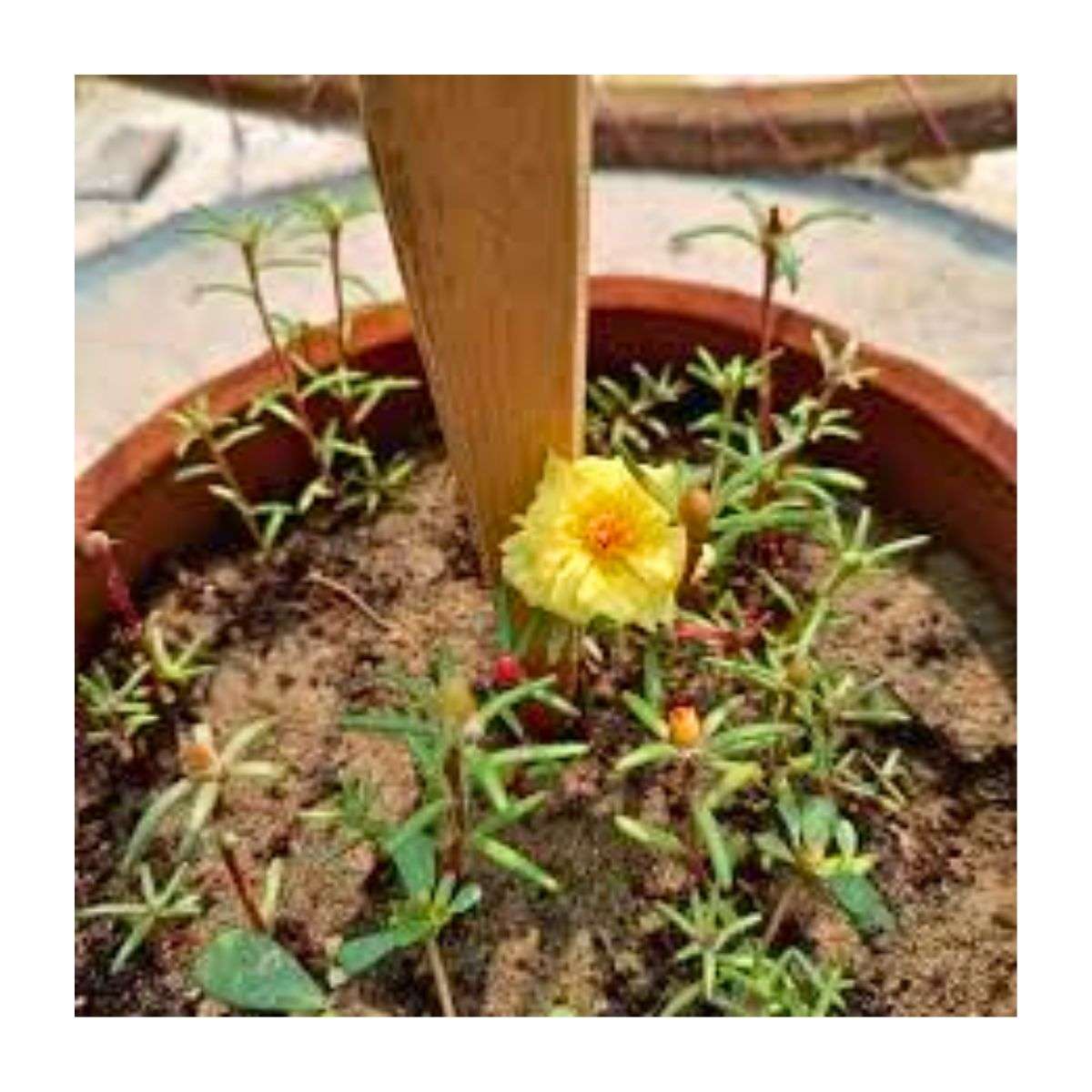
Modern hybrid portulaca varieties — particularly the Sundial series and Afternoon Delight series — have been bred to stay open longer, including on cloudy days and into the afternoon. If flower closure is a significant concern for your intended display location, these varieties are worth the specific search. They’re available from several specialty seed suppliers and are worth the slightly higher seed cost for shaded or partially cloudy climates.
Sunlight and Flowering
Portulaca that isn’t getting enough direct sun produces foliage and few or no flowers. The threshold for reliable blooming is 6 hours of direct sun daily as a minimum, and more sun produces more flowers, up to full-day exposure.
Plants in partial shade, or in locations that receive reflected light rather than direct sun, will grow but bloom reluctantly. There’s no fertilizer, watering adjustment, or care change that compensates for insufficient sun in portulaca. If your plant is healthy but not blooming, evaluate the sun exposure before adjusting anything else.
Fertilizing for Bloom — Less Is More
Portulaca in fertile, well-fed conditions produces fewer flowers than portulaca in lean, poor conditions. This runs counter to the gardening instinct that says “feed plants for better performance.”
In Portulaca’s case, high nitrogen availability shifts the plant toward vegetative growth. The same energy that would go into flower production goes into stem and leaf development instead. A well-fertilized portulaca looks impressive — full, succulent-stemmed, dense — and blooms modestly.
The correct approach: No fertilizer for portulaca in garden beds with reasonable existing soil. For container portulaca, where the lean starting mix depletes quickly with repeated watering, use a low-nitrogen, phosphorus-forward fertilizer (5-10-5 or similar bloom formula) at quarter strength every three to four weeks. This provides enough phosphorus to support flowering without the nitrogen load that suppresses it.
Deadheading and Self-Seeding
Standard portulaca varieties are largely self-cleaning — spent flowers drop on their own, and the plant reblooms without deadheading. Double-flowered varieties benefit from occasional light deadheading of spent blooms, as the denser petals sometimes don’t drop as cleanly.
Portulaca self-seeds vigorously. If you allow seed pods to mature and drop, you’ll typically find portulaca seedlings appearing in the same bed the following spring. These self-sown plants are often genetically varied if you grew a mixed-color planting — sometimes producing interesting color combinations, sometimes reverting toward the single-flowered species form.
If you want to maintain specific colors or double-flowered varieties, deadhead before seed pods mature. If you enjoy the surprise of self-sown volunteers and don’t need color precision, let the pods develop.
… How to Grow Geranium from Seed?
… 15 Low-Maintenance Flowers That Bloom All Year in Pots
Still have a question?
Why are my portulaca seeds not sprouting even after days?
Portulaca seeds need warmth and light to germinate. If they’re buried or the temperature is too low, they can just sit in the soil without sprouting.
Do portulaca seeds need to be covered with soil?
No, they shouldn’t be buried. These seeds germinate best when placed on top of the soil with light exposure.
Why do my seedlings die right after sprouting?
This usually happens بسبب too much moisture or poor airflow. The tiny seedlings are sensitive and can collapse quickly in overly wet conditions.
How much sunlight do portulaca plants really need?
They need full, direct sunlight for most of the day. Without strong sunlight, they grow weak and produce fewer flowers.
Can portulaca grow in poor or sandy soil?
Yes, it actually prefers well-draining, sandy soil. Rich or heavy soil can cause more problems than benefits.
Why are my portulaca plants not flowering properly?
The most common reason is a lack of direct sunlight. Overfeeding with fertilizer can also reduce flowering and promote leafy growth instead.