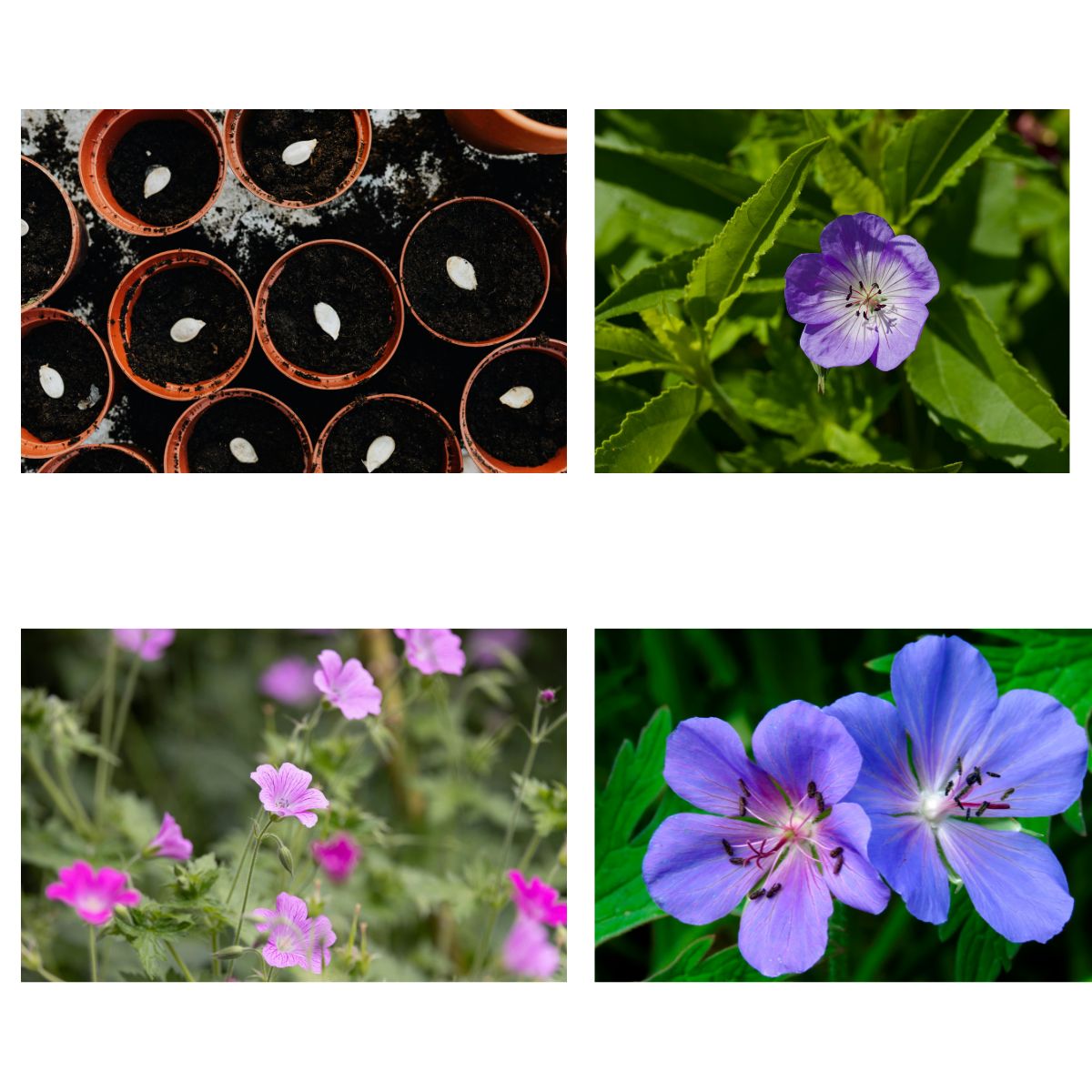
Complete Guide to Growing Geraniums from Seed
Everyone just bought plants or took cuttings. But there’s something satisfying about growing these from scratch that keeps me doing it year after year.
The Geranium Confusion Nobody Talks About
First thing you need to know: what most people call geraniums aren’t actually geraniums. They’re pelargoniums.
True geraniums are hardy perennials—cranesbill geraniums. They’re lovely plants, but completely different from what we’re growing here.
The “geraniums” everyone has on their porch? Those are pelargoniums. But we all call them geraniums, nurseries sell them as geraniums, and trying to correct people just makes you sound pedantic. So geraniums they are.
I stopped fighting this battle in 1995. Not worth the energy.
The Types That Actually Matter
Zonal geraniums are what most people picture. Round clusters of flowers, leaves with that dark horseshoe marking. These are the classic porch and window box geraniums.
I grow mostly zonals because they’re the most forgiving. They handle heat, tolerate some drought, and bloom like crazy. My grandmother had zonals on her porch that were probably ten years old—same plants, brought inside every winter, back out every spring.
Ivy geraniums trail and cascade. Better for hanging baskets. The leaves are shaped like ivy leaves—that’s where the name comes from.
I killed several ivy geraniums before I figured out they need more consistent moisture than zonals. Let them dry out too much, and they never quite recover. Zonals forgive that kind of neglect. Ivy geraniums hold a grudge.
Regal geraniums (Martha Washington geraniums) have the showiest flowers. Big, ruffled, often bi-colored. Beautiful but fussy.
Angel: Tiny-leaved hybrids that mimic the “Regal” look in a pint-sized frame.
Unique: Slow-paced, vintage plants featuring woody bases and dainty blossoms.
Succulent: Hardy desert-dwellers that stash moisture inside their plump stems.
I grew regals for maybe five years before I gave up. They don’t like heat, they’re picky about water, and they stop blooming if conditions aren’t perfect. Life’s too short. I stick with zonals now.
Why Start from Seed?
Most people take cuttings or buy plants. It’s faster and easier. So why mess with seeds?
Cost. One seed packet ($4-6) gives you dozens of plants. Buying that many started plants would cost $50-100.
Variety. Seed catalogs have colors and types you’ll never find at a local nursery. I’ve grown geraniums in colors I didn’t know existed.
Disease-free. Cuttings can carry diseases from the parent plant. Seeds start clean.
The satisfaction. There’s something about growing a flowering plant from a tiny seed that never gets old, even after fifty years.
The downside? It takes longer. Geraniums from seed need 12-16 weeks to reach blooming size. Cuttings or purchased plants bloom in weeks. You decide if the wait is worth it.
… How I Grew Tomatoes from Seeds to Ripe Fruits
… Growing Dragon Fruit at Home
… How to Grow Chrysanthemums from Seed
What Geraniums Actually Need
Temperature Sweet Spot
Geraniums are warm-weather plants. They grow best when daytime temps are 70-75°F and nights stay above 55°F.
Below 50°F at night, a nd growth basically stops. They won’t die unless it freezes, but they’re not happy. They handle heat well. I’ve had geraniums blooming through weeks of 90-degree weather. They need more water in hot weather, but they don’t shut down as some plants do.
Frost kills them instantly. One night at 32°F and they’re black mush. I’ve learned this the hard way more times than I’d like to admit.
Sun Requirements
Full sun—6-8 hours of direct sunlight—gives you the most flowers and the bushiest plants.
I’ve tried growing geraniums in less sun. They survive in 4-5 hours,s but they get leggy and don’t bloom nearly as much.
In really hot climates (Zone 9+), afternoon shade helps. A friend in Arizona says his geraniums do better with morning sun and afternoon shade when it’s 105°F outside. But for most of us, more sun equals better geraniums.
Soil and Drainage
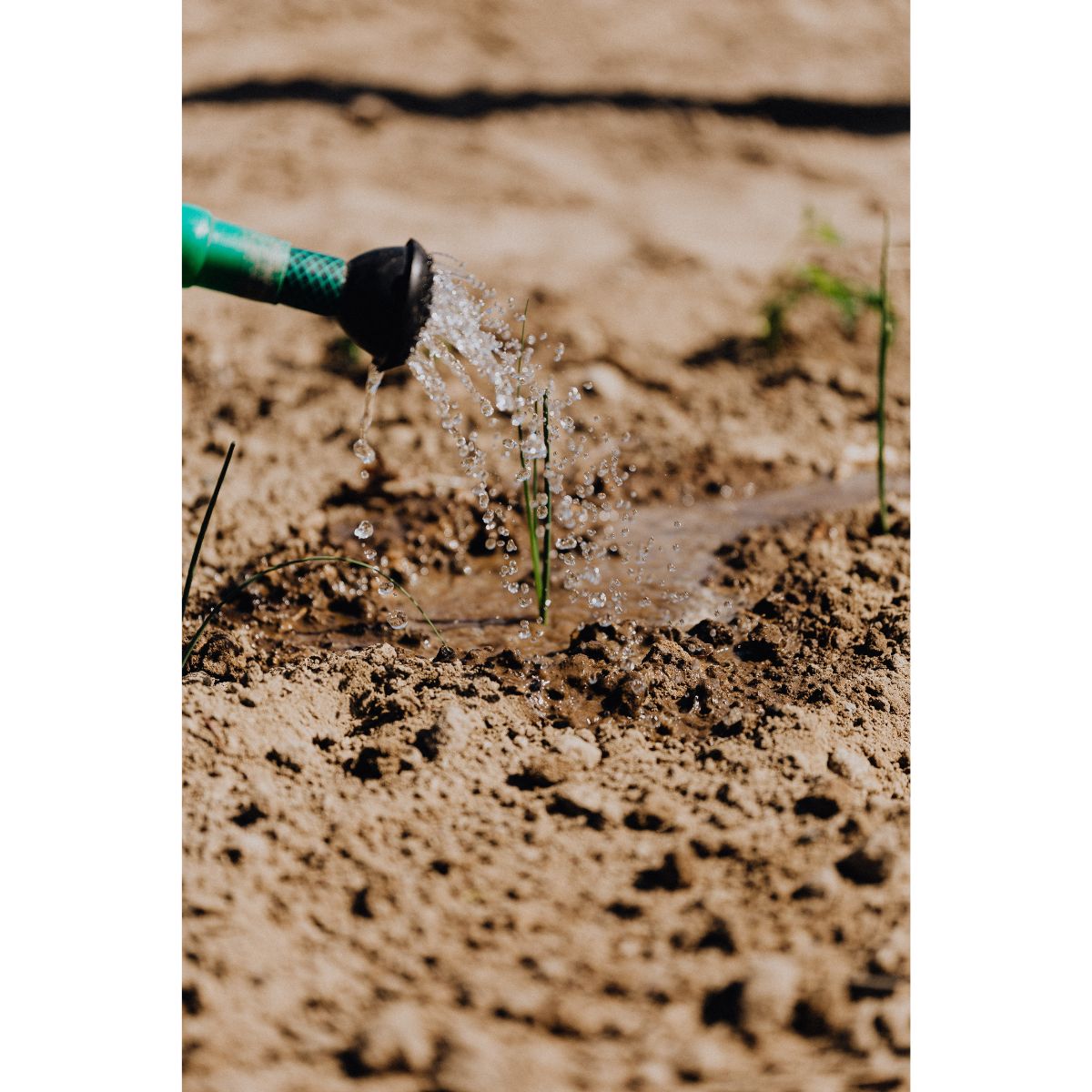
Geraniums need well-draining soil. They’ll rot in heavy clay or constantly wet conditions.
I’ve killed geraniums in poorly-draining soil. The plant looks fine for a few weeks, then suddenly collapses. Dig it up, and the roots are black and mushy. Root rot from wet soil.
In containers, use potting mix. In the ground, if your soil is heavy, work in compost or plant them in raised beds.
pH between 6.0 and 7.0 is ideal, but geraniums aren’t fussy about this. I’ve never tested pH for geraniums. They seem fine in whatever my garden soil happens to be.
Water—The Tricky Balance
Geraniums are more drought-tolerant than people think. They can handle missing a watering or two. What they can’t handle is sitting in wet soil.
I water when the top inch or two of soil is dry. In containers that might be exposed to daily summer heat. In the ground, maybe twice a week.
The thick stems store some water. This is why geraniums can survive being slightly neglected. But consistent moisture (not wet, just moist) gives you the best growth and flowering.
Feeding
Geraniums are moderate feeders. They need some fertilizer, but you can overdo it.
I use liquid fertilizer every 2-3 weeks during active growth. Balanced like 10-10-10 or bloom-booster with higher phosphorus.
Too much nitrogen gives you huge plants with lots of leaves but fewer flowers. I did this for years before I figured out why my geraniums were so bushy but barely blooming.
Timing Your Seed Starting
The 12-16 Week Rule
Geranium seeds need 12-16 weeks from sowing to blooming-size plants. That’s a long time.
For outdoor planting after the last frost, count backwards. If your last frost date is May 15, you need to start seeds in late January or early February.
I start mine in February. By mid-May, they’re ready to go outside. By June, they’re blooming.
Climate Variations
Cold regions (Zones 3-6): Start seeds indoors in late January or February. Plant outside after the last frost.
Moderate regions (Zones 7-8): Start seeds in January for spring planting, or in late summer for fall/winter growing.
Warm regions (Zones 9-11): You can start seeds almost any time. I’d avoid mid-summer just because it’s hot and harder to keep seedlings happy. Fall through spring works well.
My Actual Schedule
Zone 6, last frost mid-May:
- Late January: Start seeds indoors
- March: Seedlings transplanted to individual pots
- Late April: Begin hardening off
- Mid-May: Plant outside
- Late June: First flowers
This timeline has worked reliably for decades.
Starting Geranium Seeds Step-by-Step
Choosing Seeds
Buy from reputable sources. I use seed companies I’ve used for years—Burpee, Park Seed, Johnny’s. The cheap seed packets from the dollar store? Hit or miss.
Fresh seeds germinate better. Check the date on the packet. Geranium seeds can last 2-3 years if stored cool and dry, but germination rates drop as they age.
Seed Starting Mix
Don’t use garden soil for starting seeds. Too heavy, doesn’t drain right, might contain disease organisms.
I use commercial seed-starting mix. It’s sterile, lightweight, and drains well. Mix gets saturated but doesn’t stay soggy.
Some people make their own mix—peat moss, vermiculite, perlite. I tried this once—too much work. Bagged mix works fine, and it’s not expensive.
The Scarification Question
Geranium seeds have hard seed coats. Some people swear by scarifying (nicking the seed coat) or soaking seeds overnight before planting.
I’ve tried both. Honestly? Didn’t see much difference in germination rates. Maybe slightly faster germination with soaking, but not dramatic enough to bother me anymore.
Now I just plant them straight from the packet. They germinate fine.
But if you want to try soaking, go ahead. Soak in room-temperature water for 12-24 hours before planting. Won’t hurt, might help slightly.
Sowing Seeds
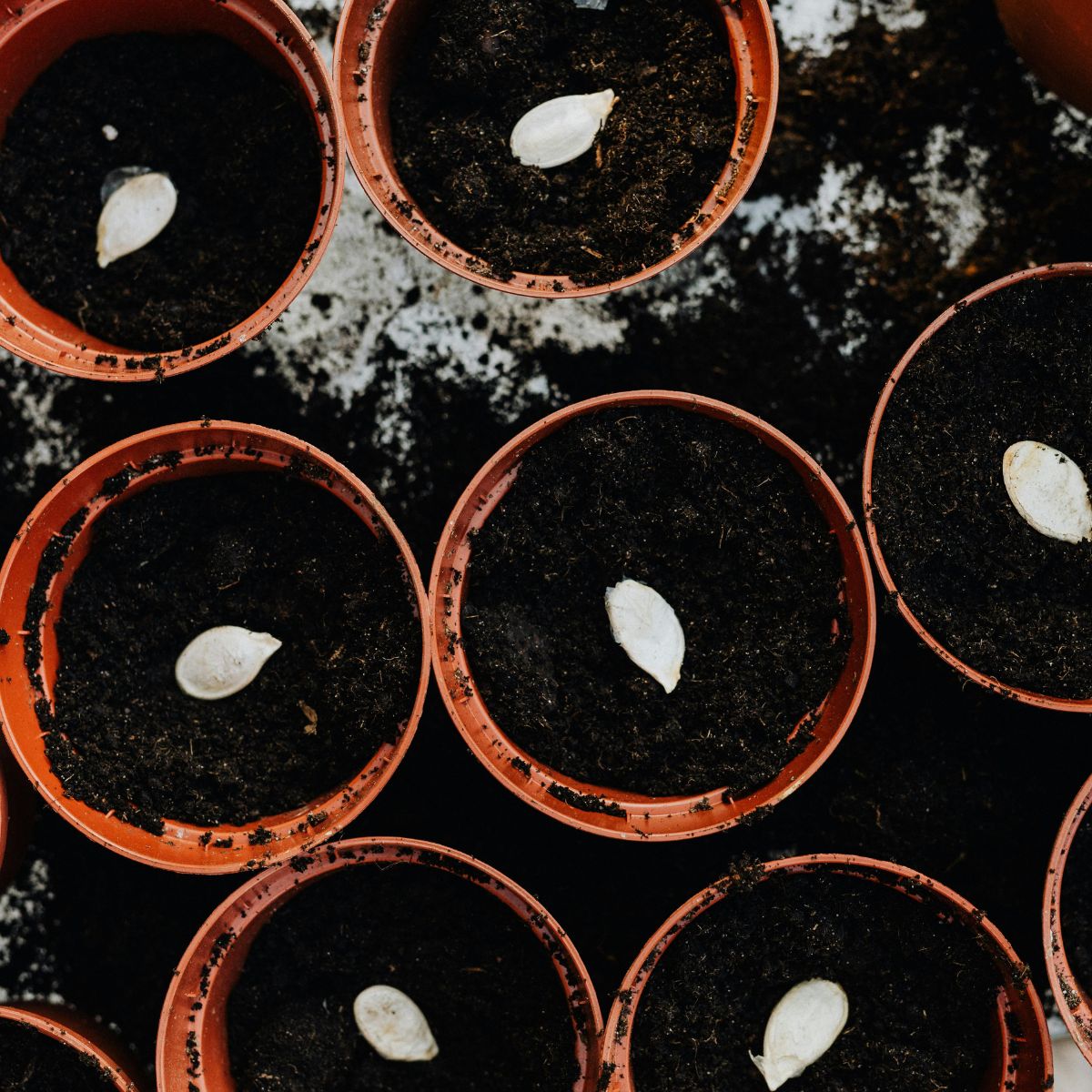
Fill your seed tray or pots with moist (not wet) seed-starting mix. Press down gently so it’s not loose and fluffy but not compacted either.
Plant seeds about 1/4 inch deep. Geranium seeds are fairly large compared to something like petunias. They can handle a bit of soil over them.
Space them out if using a tray—about an inch apart. Or plant 2-3 seeds per small pot and thin to the strongest seedling later.
Water gently. I use a spray bottle to moisten the surface without disturbing the seeds.
Germination Setup
Cover the tray with plastic wrap or use a humidity dome. This retains moisture while the seeds germinate.
Temperature is critical. Geranium seeds germinate best at 70-75°F. Cooler than that, and germination is slow and spotty.
I use a heat mat under my seed trays. Without heat, especially in my cool basement, germination would take forever.
Light doesn’t matter for germination. Seeds will sprout in the dark or the light. Once they sprout, then light becomes critical.
The Waiting Game
Geranium seeds are slow. Germination takes 7-21 days. Usually around 10-14 days in my experience, if the temperature is right.
Check daily. Keep the mix moist but not soaked. If the plastic cover is dripping with condensation, crack it open slightly to improve air circulation.
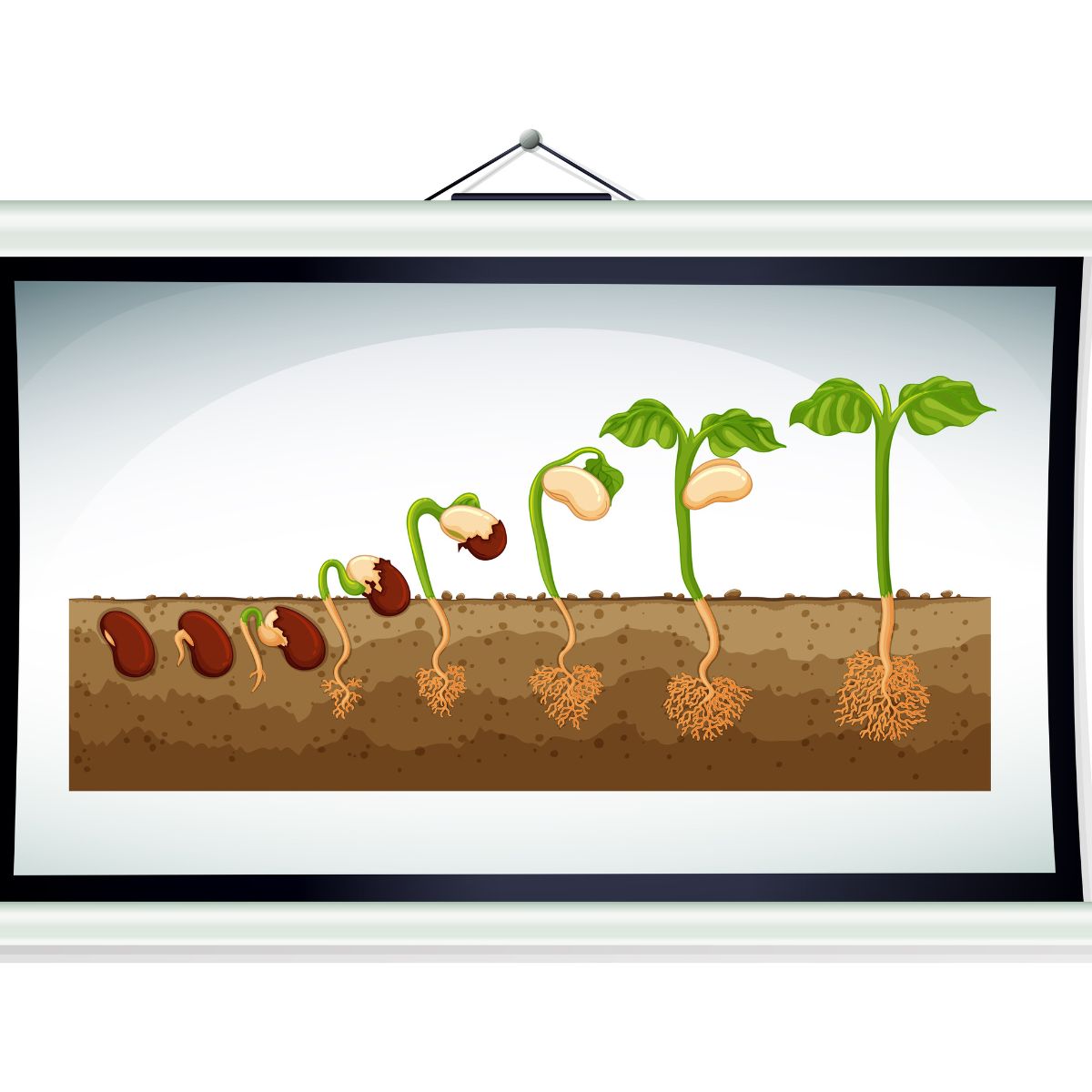
First, you’ll see the seed push up through the soil. Then the stem straightens and the first leaves (cotyledons) open. That’s germination success.
Once most seeds have sprouted, remove the cover. Seedlings need air circulation to prevent fungal problems.
When Seeds Don’t Germinate
Temperature Too Low
This is the most common problem. Below 65°F, germination is very slow or doesn’t happen at all.
If your seeds aren’t germinating after 21 days, temperature is the first thing to check. Move them somewhere warmer or add a heat mat.
Damping Off or Mold
If you see fuzzy mold on the soil surface or seedlings that collapse at the soil line, that’s damping off. A fungal disease that kills seedlings.
Caused by too much moisture, poor air circulation, or a contaminated mix.
Prevention: Don’t overwater. Provide air circulation. Use sterile seed-starting mix. Water from below rather than overhead once seedlings emerge.
I’ve lost entire trays to damping off. It’s frustrating because by the time you see it, it’s usually too late. Prevention is everything.
Seeds Rotting
If seeds don’t sprout, and when you dig one up, it’s mushy and gross, it has rotted from too much moisture.
Soil should be moist, not wet. If water pools on the surface after watering, the mix is too wet or too compacted.
Old or Bad Seeds
Sometimes seeds just aren’t viable—old seeds, improperly stored seeds, and seeds from questionable sources.
If you’ve done everything right and are still getting poor germination, try a different seed source next time.
Seedling Care
Light Is Everything
Once seedlings emerge, they need strong light immediately. Without it, they get tall and spindly within days.
Window light usually isn’t enough. Even a south window in winter doesn’t provide the intensity seedlings need.
I use grow lights. Fluorescent shop lights work fine—you don’t need expensive plant lights. Position lights 2-3 inches above the seedlings. Keep them on 14-16 hours per day.
As seedlings grow, raise the lights to maintain that 2-3 inch distance.
Without adequate light, you’ll get leggy, weak seedlings that never really recover. I’ve tried growing geranium seedlings in windows. They survive, but they’re nowhere near as strong as seedlings under lights.
Watering Seedlings
Keep the soil consistently moist but never soggy. Seedlings have tiny roots, and they can’t handle drying out, but they’ll rot in waterlogged soil.
I water from the bottom once the seedlings are established. Put the tray in a larger tray of water, let it soak up from below for 15-20 minutes, then drain excess.
This keeps leaves dry (reduces disease risk) and encourages roots to grow downward.
Check daily. Seedlings under lights in a warm room dry out faster than you’d expect.
First Feeding
Once seedlings have their first true leaves (the second set of leaves—the first set are cotyledons and don’t count), start feeding.
Dilute the liquid fertilizer to quarter strength. Feed once a week.
As seedlings grow, increase the fertilizer to half-strength. Don’t go full strength until they’re transplanted to larger pots.
Transplanting Without Shock
When to Transplant
When seedlings have 2-3 sets of true leaves and are getting crowded in their starting container, it’s time to move them.
Usually, this is 4-6 weeks after germination for me.
Don’t wait too long. Root-bound seedlings in tiny cells get stunted.
The Process
Fill individual pots (3-4 inches) with potting mix. Moisten it before transplanting.
Carefully lift the seedling with as much root attached as possible. I use a pencil or chopstick to pry seedlings from the tray.
Handle by the leaves, not the stem. Stems are fragile and easily damaged.
Make a hole in the new pot, place the edging at the same depth it was growing before, and gently firm the soil around it.
Water thoroughly after transplanting.
Keep transplanted seedlings out of direct sun for a day or two while they recover from the shock.
Hardening Off
You can’t take seedlings straight from indoors to the garden. The transition will shock them badly.
About 10-14 days before planting out, start hardening off. Put seedlings outside in a protected spot for a few hours. Bring them in at night.
Gradually increase outdoor time over the next week or two: more sun, more wind, longer periods.
By the end of two weeks, they should be staying out day and night. Then they’re ready to plant in their final location.
I skip hardening off at my peril. Tried planting unseasoned seedlings directly into full sun once. They wilted immediately and took weeks to recover. Some never did.
Container Growing
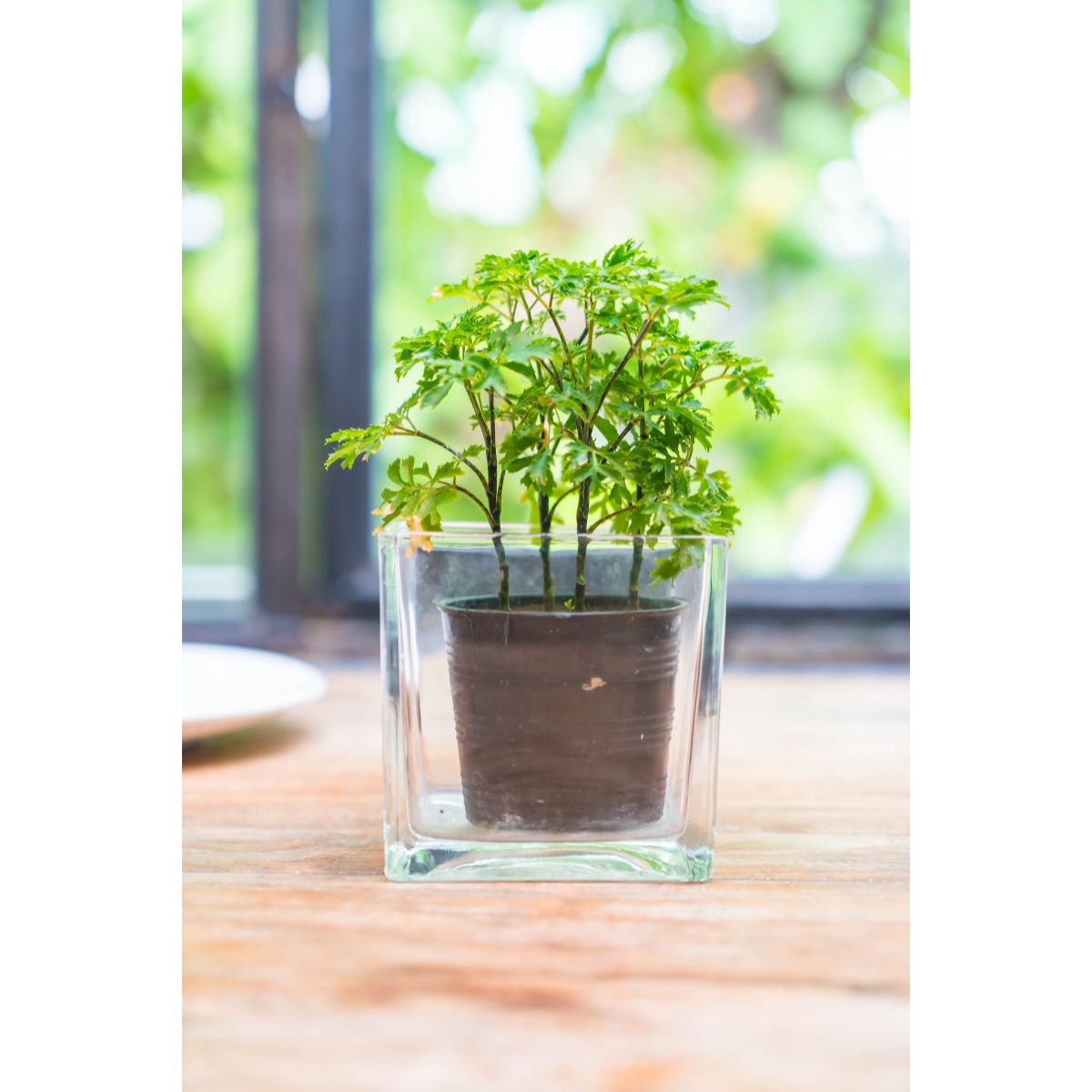
. I probably have twenty geraniums in containers right now.
Pot Size
Start young plants in 6-8-inch pots. They’ll fill these in during their first season.
Mature geraniums want 10-112-inch pots. Bigger is fine. More soil means less frequent watering and more nutrients available.
I’ve got some geraniums in 16-inch pots that have been there for three years. They’re massive and bloom constantly.
… How to Grow Kalanchoe Flowers from Seeds?
… How to Grow Peace Lily from Seed?
… How to Grow Anthurium from Seed
… How to Grow Portulaca from Seed
Soil for Containers
Use actual potting mix. Not garden soil, not topsoil. Potting mix.
I use whatever’s on sale. Sometimes I’ll add extra perlite if the mix seems heavy, but usually, straight potting mix works fine.
Containers need to drain. Holes in the bottom are non-negotiable. Even geraniums, which are fairly drought-tolerant, will rot in waterlogged pots.
Placement
The sun is still the priority—six hours minimum for good blooming.
I’ve got containers on my deck, by the front door, hanging from shepherd’s hooks. Anywhere I can put a pot that gets sun.
Geraniums in containers dry out faster than in-ground plants. Check them daily in summer. Water when the top inch or two of soil is dry.
Year-Round Care
Watering Through Seasons
Spring: Maybe twice a week. Plants are small, temperatures are cool, and they don’t use much water yet.
Summer: Check daily. Container geraniums often need daily watering in the heat. Ground-planted maybe 2-3 times per week.
Fall: Back to twice a week or less as temps cool.
I don’t water on a schedule. I check the soil. Dry? Water deeply. Still moist? Wait.
Feeding
I fertilize every 2-3 weeks during active growth with liquid fertilizer at the recommended strength.
Bloom-booster fertilizer (higher middle number like 10-30-10) encourages more flowers.
In the end, when growth slows, I cut back to monthly feeding. In winter (if I’m overwintering indoors), I barely feed at all.
Pruning and Pinching
When plants are young (6-8 inches tall), pinch out the growing tip. This forces branching, and you get bushier plants.
Throughout the season, pinch off spent flower clusters. This keeps the plant looking neat and encourages more blooms.
If plants get leggy, cut them back by about a third. They’ll branch and come back bushier.
I learned to prune geraniums from my grandmother. She’d whack hers back ruthlessly mid-season. Looked terrible for a week, then they’d explode with new growth and flowers.
Deadheading
Geranium flower clusters die in sections. The cluster will be partly dead flowers, partly fresh blooms. I twist off the entire cluster once all the flowers are spent.
This tidies the plant and pushes energy into new flower production instead of seed formation.
Takes maybe five minutes per plant every week or so. Worth it for continuous blooming.
Maximizing Flower Production
Light First
More sun equals more flowers. Six hours minimum. Eight is better.
I’ve compared geraniums in different light conditions. Full sun plants are covered with blooms. Partial shade plants have maybe half as many flowers.
If blooming is disappointing, check sun exposure first.
Phosphorus for Blooms
The middle number in fertilizer ratios (N-P-K) is phosphorus. This drives flower production.
Switching from balanced 10-10-10 to bloom-booster 10-30-10 noticeably increased flowering on my geraniums.
Not magic, but definitely more flowers.
Don’t Overfeed Nitrogen
Too much nitrogen (the first number) gives you huge green plants with few flowers.
I made this mistake for years, using lawn fertilizer on everything. Big lush geraniums that barely bloomed. Switched to bloom fertilizer and suddenly flowers everywhere.
Pinching Creates More Flower Sites
Each stem tip can produce a flower cluster. Pinching creates more stems, which means more potential flower sites.
A single-stem geranium might have 2-3 flower clusters. A well-branched plant from pinching has 8-10 clusters.
More stems, more flowers. Simple math.
… Best Flowering Plants for Home Gardens (Easy to Grow)
… How to Grow Vinca Flowers from Seed
… How to Grow Impatiens Flowers from Seed
Problems
Yellow Leaves
Overwatering: Yellow leaves starting from the bottom, the soil is constantly wet. Cut back on water, improve drainage.
Underwatering: The entire plant wilts and yellows. This usually comes with crispy leaf edges. Water thoroughly.
Nitrogen deficiency: Lower leaves yellow, but upper leaves green. Feed with balanced fertilizer.
Natural aging: Sometimes, lower leaves just yellow and drop as the plant ages. Normal if it’s only a few leaves.
Leggy Growth
Not enough light is the usual cause. Move to more sun or add grow lights.
It can also happen if the plant hasn’t been pinched. Pinch back leggy stems, and they’ll branch.
Slow Growth
Temperature too cool: Below 60°F, growth is slow. Can’t fix with either, just wait for warmth.
Nutrient deficiency: Feed regularly during the rowing season.
Root-bound: Check if roots are circling the pot. Transplant to a larger container.
Insufficient light: Even if not leggy, weak light slows everything down.
Brown, Dry Leaf Edges
Underwatering: Most common cause. Water more consistently.
Fertilizer burn: Too much fertilizer or fertilizer applied to dry soil. Water before feeding, use the recommended dilution.
Low humidity: Geraniums tolerate low humidity, but extreme dryness can cause leaf edges to brown. More of an indoor issue than an outdoor one.
Pests & Diseases
Aphids
Small soft-bodied insects, usually green or black, cluster on new growth.
Blast them off with water from the hose. Or spray with insecticidal soap.
I check for aphids weekly. Catch them early, and they’re easy to control. Let them build up, and they’re a pain.
Spider Mites
Tiny spider-like pests. You usually see the fine webbing before you see the mites. Leaves get stippled and yellowed.
Spray plants with water to knock mites off and increase humidity (they hate humidity).
Insecticidal soap or neem oil works. Repeat applications needed.
Spider mites love hot, dry conditions. I had terrible mite problems on geraniums in containers on my hot deck. Moving them to a slightly shadier spot reduced mite pressure significantly.
Whiteflies
Tiny white flying insects that rise in a cloud when you disturb the plant.
Yellow sticky traps help. Insecticidal soap works on contact.
Whiteflies are persistent. Weekly spraying for several weeks is usually needed to break the cycle.
Root Rot
Caused by overwatering or poor drainage. Roots turn black and mushy. The plant wilts despite wet soil.
Usually not fixable once it’s advanced. Prevention is key—don’t overwater, ensure good drainage.
If caught very early, you might save the plant by letting the soil dry completely and hoping some healthy roots remain. But usually root-rotted geraniums die.
Powdery Mildew
White powdery coating on leaves. A fungal disease that shows up in humid conditions with poor air circulation.
Improve air circulation. Don’t crowd plants. Water, soil, not leaves.
Neem oil spray helps. Baking soda spray (1 tablespoon per gallon of water) helps.
I tolerate some mildew. Doesn’t usually kill geraniums, just looks bad.
Botrytis (Gray Mold)
Gray fuzzy mold on flowers or leaves. Shows up in cool, wet conditions.
Remove affected parts. Improve air circulation. Water in the morning, so plants dry before nightfall.
More of a problem in cool, wet climates. I rarely see it where I live.
Seasonal Strategies
Summer
Peak growing season. Daily watering checks for containers. Feed every 2-3 weeks. Deadhead regularly.
Watch for heat stress in containers during extreme heat. Moving them to get afternoon shade helps during heat waves.
… Best Flower Plants for Every Season
Dealing with Heavy Rain
Geraniums handle rain reasonably well, but prolonged wet weather can cause root rot or botrytis.
If you’re getting daily rain for a week+, stop watering. Let nature handle it.
For containers, I’ll move them under a roof overhang during forecasted heavy rain if I remember.
Good drainage is critical in rainy periods. Poorly-draining soil stays soggy, and problems develop.
… How to Improve Soil Water Retention Without Causing Drainage
Winter Care
In cold climates, you have two choices: let them die and start over next year, or bring them inside.
I’ve done both. Bringing them inside is work. They need a bright, cool room (50-60°F ideal). They’ll survive but won’t grow much or bloom heavily.
Some people overwinter bare-root geraniums in a cool basement. Dig them up, shake off the soil, and hang them upside down in a cool, dark place. Replant in spring.
I tried this once. About half survived. Easier to just buy new plants or start from cuttings, in my opinion.
In frost-free climates (Zone 9+), geraniums keep growing year-round. Afriendd in San Diego has geraniums that are four years old and still blooming.
Indoor Growing
Can They Live Inside?
Yes, but they’re not ideal houseplants. They survive indoors but rarely thrive as they do outside.
I keep a few geraniums indoors on a south-facing windowsill in winter. They survive. They bloom occasionally. But they’re leggy and not nearly as nice as outdoor plants.
Light Is the Challenge
Geraniums need intense light to bloom well. Even bright windows often aren’t enough.
Grow lights help. I use them for my indoor geraniums. With strong lights, they do reasonably well.
Without adequate light, geraniums indoors just exist. They don’t really grow or flower much.
Indoor Problems
Spider mites love indoor geraniums. The dry air, warmth, and stressed plants are perfect for mites.
I’ve fought spider mites on indoor geraniums for months. Outdoor plants rarely have mite issues.
Lower humidity indoors also stresses plants. A pebble tray with water under the pot helps slightly.
Honestly, if you want flowering houseplants, there are better options. African violets, begonias, peace lilies—these actually bloom well indoors. Geraniums tolerate indoor conditions, but they don’t excel there.
… How to Start a Herb Garden at Home
Growth Timeline
Seed to Seedling
Germination: 7-21 days (usually 10-14 with proper temperature)
First true leaves: 2-3 weeks after germination
Transplant-ready: 4-6 weeks after germination
Seedling to Blooming Plant
From germination to first flowers: 12-16 weeks
From planting outside to first flowers (if transplanted at a good size): 4-6 weeks
The Long View
Geraniums from seed are a long-term project. You’re looking at 3-4 months from sowing to blooming.
Cuttings bloom in 6-8 weeks. Purchased plants bloom immediately.
The payoff for seed-starting is cost and variety. But you need patience.
I start seeds in February, knowing I won’t see flowers until June. That’s just how long it takes.
Which Geranium Should You Grow?
Best for Beginners
Zonal geraniums, basic colors (red, pink, white). These are the most forgiving.
Avoid fancy or unusual varieties your first time. Stick with proven easy types.
Best for Containers
Zonals again. They’re tough, tolerant, and productive in pots.
Ivy geraniums work well in hanging baskets but need more consistent moisture.
Zonals handle heat well. Some of the newer heat-tolerant varieties are even better.
Regals struggle in the heat. Skip these if you’re in a hot climate.
Best for Indoor Growing
Honestly, none of them are great indoors. But if you’re going to try, zonals are your best bet.
Scented geraniums do better indoors than flowering types in my experience. The leaves smell amazing, even if flowering is sporadic.
Cost Reality
Seeds vs Plants
Seeds: $4-6 per packet, maybe 20-30 seeds. Cost per plant: $0.15-0.30
Plants: $3-6 each at garden centers.
For one or two plants is easier. For a dozen or more, seeds make financial sense.
Everything Else
Seed-starting supplies (trays, mix, heat mat, lights): $50-100 if starting from scratch. These last for years, though.
Pots: $2-10 each,h depending on size and material
Potting mix: $8-12 for a large bag
Fertilizer: $10-15 for liquid fertilizer lasting all season
Total first-year investment starting from seed: Maybe $75-15,0 including supplies.
Subsequent years are cheaper since you already have the equipment.
Mistakes I’ve Made
Overwatering Seedlings
Killed entire trays by keeping the soil too wet. Damping off is brutal.
Now I err on the side of slightly dry rather than slightly wet. Seedlings are more forgiving of brief dryness than constant wetness.
Insufficient Light
Tried growing seedlings in windows for years. They survived but were always leggy and weak.
Once I got grow lights, the seedling quality improved dramatically. Wish I’d done it sooner.
Planting Seeds Too Deep
Buried seeds an inch deep, thinking deeper was better. Most never came up.
Quarter-inch is plenty for geranium seeds. They’re not tiny like petunia,s but they’re not huge either.
Skipping Hardening Off
Planted indoor-grown seedlings directly into the hot sun. They wilted, got sunburned, and some died.
Now I always harden off—two weeks of gradual transition. No shortcuts.
What i learn After 50 Years of gardening
Fresh seeds from reputable sources. Worth the extra dollar or two.
Proper temperature for germination. The heat mat is the best $20 I’ve spent.
Strong light for seedlings. Grow lights, positioned close. This one thing improved my success rate more than anything else.
Don’t rush outdoor planting. Wait for consistently warm weather and harden off properly.
Choose the right type—zonals are reliable for beginners. Save fancy types for after you’ve succeeded with the basics.
Time-Saving Approaches
Buy plants instead of starting from seed. I know this whole guide is about seed-starting, but if time is more valuable than money, just buy plants.
Use high-quality potting mix instead of making your own. The time saved is worth the cost.
Bottom-water seedlings instead of overhead watering. Less fussing, less disease risk.
… How to Grow Petunias: The Complete Petunia Flower Guide
… How to Grow Calibrachoa from Seed
… How to Grow Begonia from Seed? – Complete A To Z Guide
… 12 Reasons Why My Flowering Plants Aren’t Blooming – Fix It
FAQ
What is the secret to growing Geranium?
The real secret is balance: bright sunlight, well-drained soil, and controlled watering. Most people fail because they overwater or give too little light. Geraniums thrive when the soil dries slightly between watering and receive 6–8 hours of sun daily. Regular pruning and light feeding keep plants compact and full of flowers.
Do geraniums grow better in pots or the ground?
Geraniums grow well in both, but pots often give better results because you can control soil, drainage, and watering more precisely. In the ground, they grow larger but are more exposed to poor drainage and pests. If you want more blooms and easier care, pots are usually the better choice.
How do I grow my own geraniums?
You can grow geraniums from seeds or cuttings, but the easiest way is from seedlings or cuttings.
- Start with well-drained soil
- Place in a sunny location
- Water only when the topsoil dries
- Feed lightly every 2–3 weeks
With proper care, plants establish quickly and begin flowering within a few weeks.
Can you grow geraniums from a cutting?
Yes, and it’s one of the fastest methods. Take a healthy stem cutting, remove lower leaves, and plant it in moist, well-draining soil. Keep it in indirect light for a few days. Roots usually develop within 1–2 weeks, making this method faster than growing from seed.
What is the best fertilizer for geraniums?
A balanced liquid fertilizer (like 10-10-10 or 20-20-20) works best for overall growth. For more flowers, switch to a fertilizer with higher phosphorus (like 10-30-20). Over-fertilizing can reduce blooms, so light but consistent feeding is key.
Do geraniums flower every year?
In warm climates, geraniums can behave like perennials and bloom every year. In colder regions, they are usually grown as annuals, meaning they last one season unless protected indoors during winter. With proper care, you can keep them blooming for multiple seasons.
Do geraniums like full sun or shade?
Geraniums prefer full sun. They need at least 6 hours of direct sunlight daily for strong growth and maximum flowering. In too much shade, plants become leggy and produce fewer flowers.
What does baking soda do for geraniums?
Baking soda can help reduce fungal issues like powdery mildew by creating a less favorable surface for fungi. However, it should be used carefully and diluted in water. It is not a fertilizer and does not directly improve growth or flowering.
What helps geraniums bloom more?
To boost blooming, focus on three things:
- Sunlight: At least 6–8 hours daily
- Feeding: Use a phosphorus-rich fertilizer
- Pruning: Remove old flowers (deadheading)
Consistent care in these areas encourages continuous and vibrant blooms.