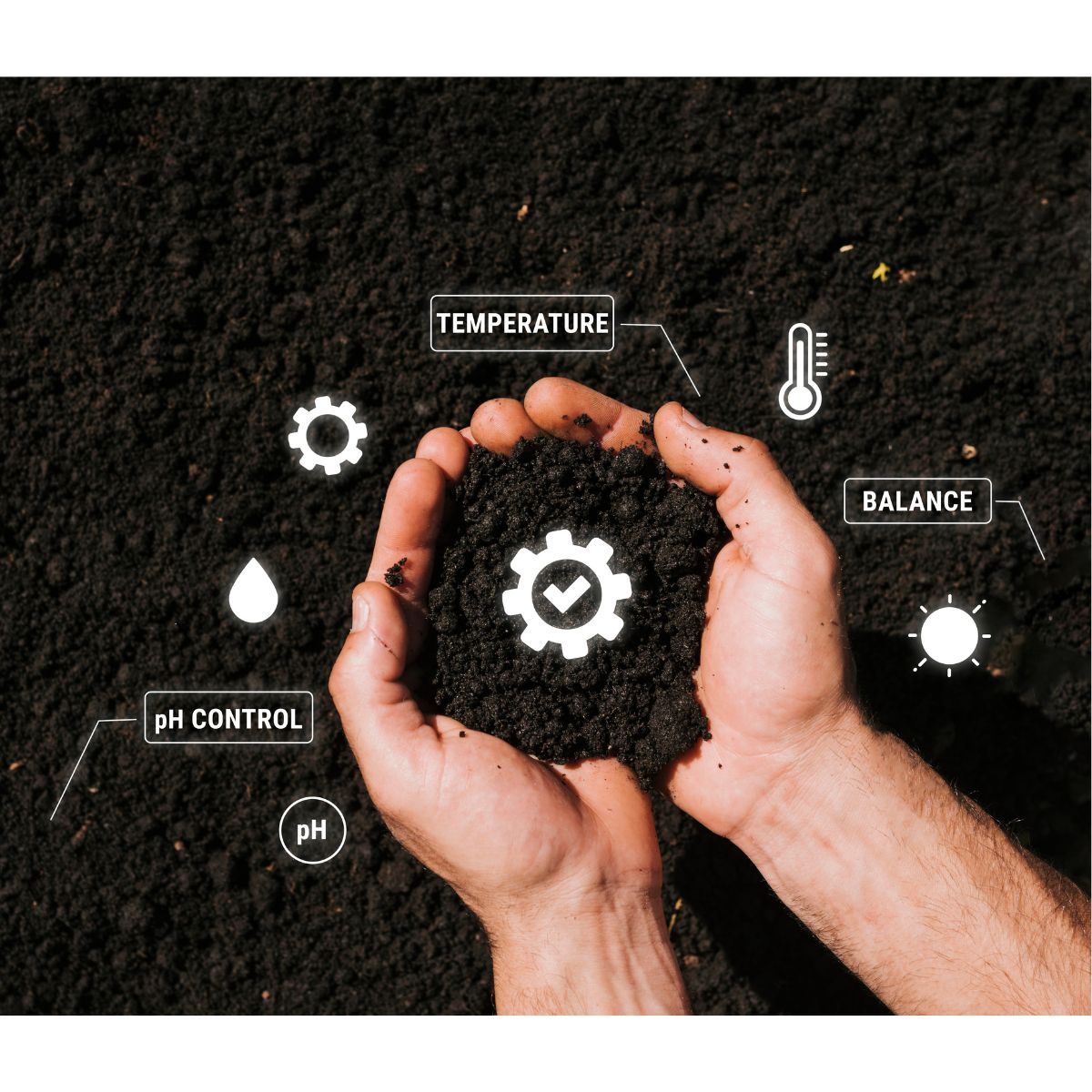
Practical Ways to Improve Soil Water Retention While Maintaining Proper Drainage
Your garden dries out every single day while your neighbor waters once a week. Here’s why—and how to fix it without turning your beds into swamps.
Why Your Soil Can’t Hold Water
I used to water my vegetable garden every morning. By 3 PM, plants were wilting. I’d water again. Next morning, bone dry. Meanwhile, my neighbor watered his garden twice a week, and his tomatoes looked better than mine.
Turns out I was fighting sandy soil—and losing.
The Sandy Soil Problem
Pick up a handful of your soil when it’s slightly damp. Squeeze it. Does it fall apart the second you open your hand? That’s sand.
Sand particles are huge compared to clay or silt. Think marbles versus flour. Water pours through those spaces like a sieve. Your soil might be holding water for twenty minutes while roots need it available for days.
I have a friend in Florida with pure sand. She was watering her garden twice daily in summer and still watching things struggle. The water went straight through—six inches down in seconds, then gone. Her plants were basically growing in a desert despite all that water.
Dead Soil That Won’t Hold Anything
Sometimes the problem isn’t sand—it’s soil that’s been worked to death.
If your garden has been in the same spot for years and you’ve never added anything but fertilizer, the organic matter is gone. Used up. What you’re left with is basically dirt—mineral particles with nothing to bind them together or hold moisture.
You can tell dead soil when you see it. Hard as concrete when dry. Dusty. No earthworms. Water either puddles on top or disappears immediately. Nothing in between.
My first garden was like this. The previous owner had tilled it every spring for a decade. Never added compost. Just synthetic fertilizer. The soil looked okay, but it was basically lifeless. Held water about as well as a parking lot.
Raised Beds Dry Even Faster
Raised beds are great for drainage, which is exactly why they’re terrible for water retention.
Think about it. In-ground soil has earth on all sides, keeping it cool and moist. A raised bed is exposed on top, all four sides, and even the bottom if it’s on legs. It’s like the difference between a cup of coffee sitting on the counter versus one sitting on a heating pad.
I built 18-inch-tall raised beds in my first year. Beautiful beds, perfect soil mix. They dried out so fast I couldn’t keep up. Had to water every single day, sometimes twice in July. My friend with ground-level beds watered three times a week, and his plants looked better.
The taller your beds and the more exposed they are, the worse this gets. Those fancy fabric beds everyone’s using now? They breathe. Which is great for roots but terrible for moisture. The sides wick water right out.
… Raised Bed vs Ground Garden – Which Is Better?
Organic Matter Changes Everything
Here’s what nobody tells you about soil improvement: it’s not about adding fertilizer. It’s about adding organic matter. Always has been.
Why This Actually Works
Organic matter–compost, aged manure, decomposed leaves—acts like a sponge in your soil. But it does more than just hold water.
When organic material breaks down, it forms something called humus. Humus is the dark, crumbly stuff that makes good soil look and smell rich. It binds to soil particles and creates little aggregates—clumps of soil that have both tiny pores (holding water) and bigger pores (letting excess drain away).
This is how you get soil that holds moisture AND drains well at the same time. Not one or the other—both.
I learned this while fixing my sandy garden. In the first year, I added four inches of compost and worked it in. The change wasn’t subtle. Soil that used to dry out by noon stayed moist until evening. Plants that needed daily watering were fine every other day. By year three, with compost added twice a year, I was watering maybe twice a week in peak summer.
… 10 Signs of Poor Garden Bed Soil & Simple Ways to Fix It
What to Add and How Much
Compost is your best friend. I know everyone says this, but there’s a reason. It’s broken down enough to work immediately but still chunky enough to last. It feeds your soil while improving structure.
For really bad soil—pure sand or dead, depleted dirt—you need a lot upfront. I’m talking four to six inches spread over your beds and mixed into the top eight inches. That’s roughly two cubic yards for every hundred square feet. Sounds like a lot because it is. But it works.
After that initial heavy application, you maintain with two to three inches twice a year. Once in spring before planting, once in fall after harvest. Your soil will get better every year instead of worse.
… How to Make Compost at Home Using Kitchen Waste
Aged manure works too, but make sure it’s actually aged. Fresh manure will burn your plants, and it’s loaded with weed seeds. You want stuff that’s been sitting in a pile for at least six months, preferably a year. It should look and smell more like soil than poop.
Chicken manure is the strongest—lots of nitrogen. Cow or horse manure is gentler and easier to use in larger amounts. I’ve used all three. They all improve water retention while feeding your soil.
Leaf mold is criminally underused. It’s just composted leaves—nothing fancy. But it holds an insane amount of water. Some studies show it holds four to five times its weight. And it’s free if you have trees.
Every fall, I rake leaves into a big pile in the corner of my yard, wet them down, and forget about them. Eighteen months later, I have beautiful dark leaf mold. It goes into my worst beds—the sandy spots where nothing else seems to help enough.
The Three-Year Transformation
This doesn’t happen overnight, but it’s not forever either. Here’s what I’ve seen happen repeatedly:
Year one: You add a bunch of compost. Things improve noticeably. You’re watering maybe 30% less often. Soil looks better, plants do better.
Year two: You add more compost in spring and fall. Now you’re seeing real change. The soil feels different—softer, richer. Watering is cut in half from where you started. Earthworms show up. Plants grow faster.
Year three: The soil has transformed. It’s dark, crumbly, and smells amazing. You’re watering a third as often as you started. Maybe twice a week, even in hot weather. And the plants? They’re thriving in ways they never did before.
This isn’t theory. I’ve watched this happen in my garden and in at least a dozen other gardens where people actually followed through.
Mulch Stops the Bleeding Right Now
While you’re building your soil, mulch gives you immediate relief.
The Bare Soil Problem
Bare dirt in full sun can hit 130, 140, or even 150 degrees on the surface in summer. Water evaporates so fast you can almost see it happening. You’re watering the air, not your plants.
I proved this to myself one summer by accident. I had a bed where the mulch had completely broken down, and I hadn’t replaced it yet. Another bed right next to it with four inches of straw. Same plants, same watering.
The bare bed needed water every single day. The mulched bed went three days easy, sometimes four. Same soil underneath. Just those four inches of straw made that much difference.
What Works and What Doesn’t
Straw is my go-to for vegetable gardens. It’s cheap, it’s light colored so it reflects heat, and it breaks down in one season, which means I’m adding organic matter without trying. A six-dollar bale covers about sixty square feet at three to four inches deep. The only downside is that it can have weed seeds if it’s not of good quality. But honestly, pulling a few extra weeds is worth the moisture retention.
Wood chips last way longer—two to three years. I use them around fruit trees, berries, and perennial beds. You can usually get them free from tree trimming services. They’re desperate to get rid of the stuff.
People worry about wood chips stealing nitrogen from soil, but that only happens if you mix them in. Sitting on top as mulch? Not a problem. I’ve been using wood chips for years with zero nitrogen issues.
Grass clippings work, but you have to be careful. They mat down if you put them on thick, and they can smell weird when fresh. I only use them in thin layers—an inch max—and I let them dry out for a day first. Free is good, but they’re more work than straw.
Whatever you use, the key is thickness. Two inches isn’t enough. You need three to four inches to really block evaporation and keep soil cool.
And pull it back from plant stems. Mulch piled against stems causes rot. Leave a two to three-inch gap around everything.
Fix the Compaction Problem
If your soil is compacted, you can add all the compost and mulch in the world, and it still won’t hold water properly. Compacted soil doesn’t let water in to begin with.
How Soil Gets Hard
Walking on it mostly. Every footstep compresses soil particles together, squeezing out air spaces. Do this enough, and you’ve got concrete.
I compacted my first garden beds without realizing it. Built nice raised beds, filled them with good soil, then walked all over them while planting. Bythe end of the season, the paths I’d walked were noticeably harder than the areas I hadn’t stepped on.
Working wet soil makes it worse. Tilling when it’s too wet destroys soil structure. You end up with a hard layer below your tilled depth—a plow pan that blocks water and roots.
Clay soil compacts just sitting there. The particles are so fine that they naturally pack tight. Add some foot traffic, and it’s game over.
The Broadfork Solution
I’m going to sound like I’m selling broadforks, but I’m not. I just finally bought one after years of fighting compacted soil,l and I can’t believe I waited so long.
A broadfork is basically a giant fork with 12-inch tines you push into the soil and rock back and forth. It lifts and fractures the soil without turning it over. Takes maybe forty minutes to do a hundred square feet.
The difference is immediate. Water that used to puddle on the surface soaks right in. You can actually feel how much looser the soil is when you walk next to it.
And here’s the thing—you only have to do it once if you stop walking on the beds afterward. Tilling you have to do every year because it destroys the structure. Broadforking creates a structure that lasts.
I broadforked my compacted beds three years ago. Haven’t touched them since. They’re still loose and easy to work with.
Keep It Loose
Prevention is way easier than fixing compaction after the fact.
Never walk on your growing beds. Never. Make permanent paths and stick to them. My beds are three feet wide, so I can reach the center from either side without stepping in. Paths are mulched with wood chips.
Don’t work the soil when it’s wet. If it sticks to your boots, it’s too wet to work. Wait a few days.
Add organic matter regularly. Compost, mulch, whatever. The organic content keeps soil from compacting as easily. Dead soil with no organic matter compacts if you look at it wrong. Living soil with good organic content stays fluffy.
Water Deeply, Not Often
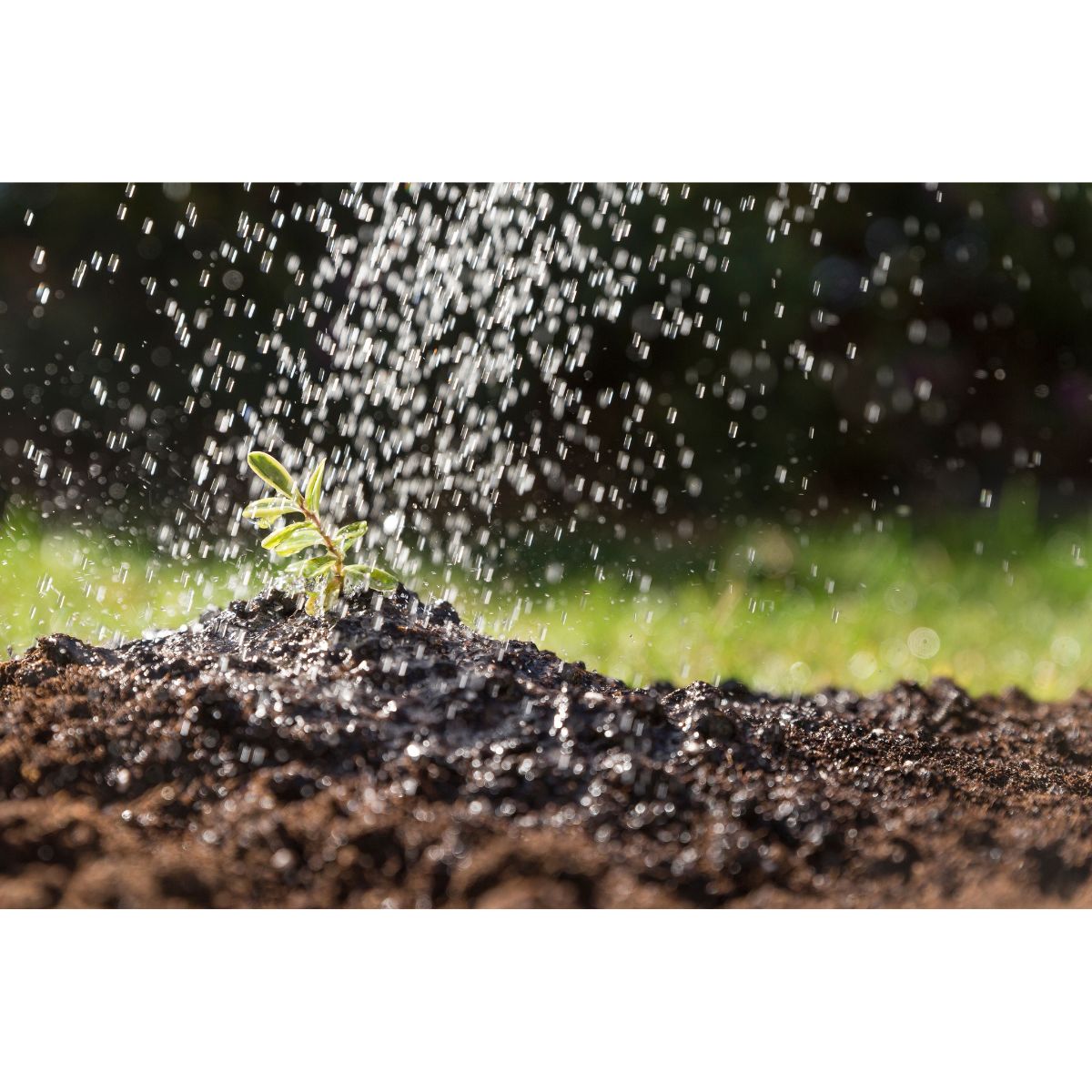
This was the hardest lesson for me to learn. I thought more frequent watering was better. Turns out it’s the opposite.
…12 Most Common Irrigation Mistakes That Damage Your Plants
Why Daily Watering Ruins Everything
When you water lightly every day, you’re training your plants to be wimps. The water sits in the top two or three inches of soil. Roots follow water. So roots stay shallow.
Shallow roots mean plants that can’t handle any heat or stress. Miss one day of watering and they wilt. They’re completely dependent on you.
Plus, all that surface water just evaporates before it does much good. You’re working harder for worse results.
My neighbor showed me this. He watered his tomatoes deeply twice a week. I watered mine lightly every day. His tomatoes had roots down a foot or more. Mine were all in the top few inches. His plants sailed through heat waves. Mine wilted by afternoon.
…How Often Should You Water Garden Plants?
How to Water Properly
The goal is to get water down eight to twelve inches deep for vegetables, even deeper for shrubs and trees. Then don’t water again until the top couple of inches are dry.
This forces roots to grow down, chasing the moisture. Deep roots can access water for days. They handle heat. They support bigger, healthier plants.
I use drip irrigation now. Set it to run for ninety minutes twice a week. The slow drip means water soaks deep instead of running off. My plants look better, and I use less water overall.
If you’re hand watering, water slowly. Let it soak in as you go instead of flooding the surface. Takes longer, but it actually works.
Check depth with a screwdriver or long knife. Stick it in the soil six hours after watering. Should go in easily to eight or ten inches. If not, water longer next time.
And water in the morning. Early—six to eight AM is perfect. Cool temperatures mean minimal evaporation. The wind is usually calm. And your plants go into the heat of the day fully hydrated instead of starting already stressed.
…Vegetable Watering Schedule Most Gardeners Get Wrong
Living Mulch and Ground Covers
Once you’ve got the basics down, this is next-level water retention.
The Shade Factor
Plants covering the soil create shade that keeps the soil way cooler than mulch alone. I’ve measured this. On a 95-degree day, bare soil hit 130 degrees. Mulched soil was around 95. Soil under dense ground cover stayed in the low 80s.
Cooler soil means way less evaporation. Plus, the plants themselves are adding organic matter as leaves drop and roots grow.
I’ve got white clover growing between my vegetable beds now. It shades the soil, adds nitrogen, and I can walk on it without compacting anything. Took one season to establish, and now it maintains itself. I just mow it occasionally to keep it low.
Under my fruit tree,s I’ve got a mix of comfrey and yarrow. The comfrey has huge leaves that shade everything. When I chop it back, all those leaves become mulch. The yarrow fills in the gaps. I haven’t had to mulch under those trees in two years.
It Takes Time
Don’t expect instant results here. Ground covers need a season to fill in. But once they’re established, they do the work for you.
Clover is probably the easiest. Broadcast seed in spring, keep it moist for a couple of weeks while it germinates, then leave it alone. By fall, you’ve got coverage.
For perennial beds, I like creeping thyme or sedum between plants. They’re slower to establish,h but they’re tough once they’re in.
The Amendments Nobody Talks About
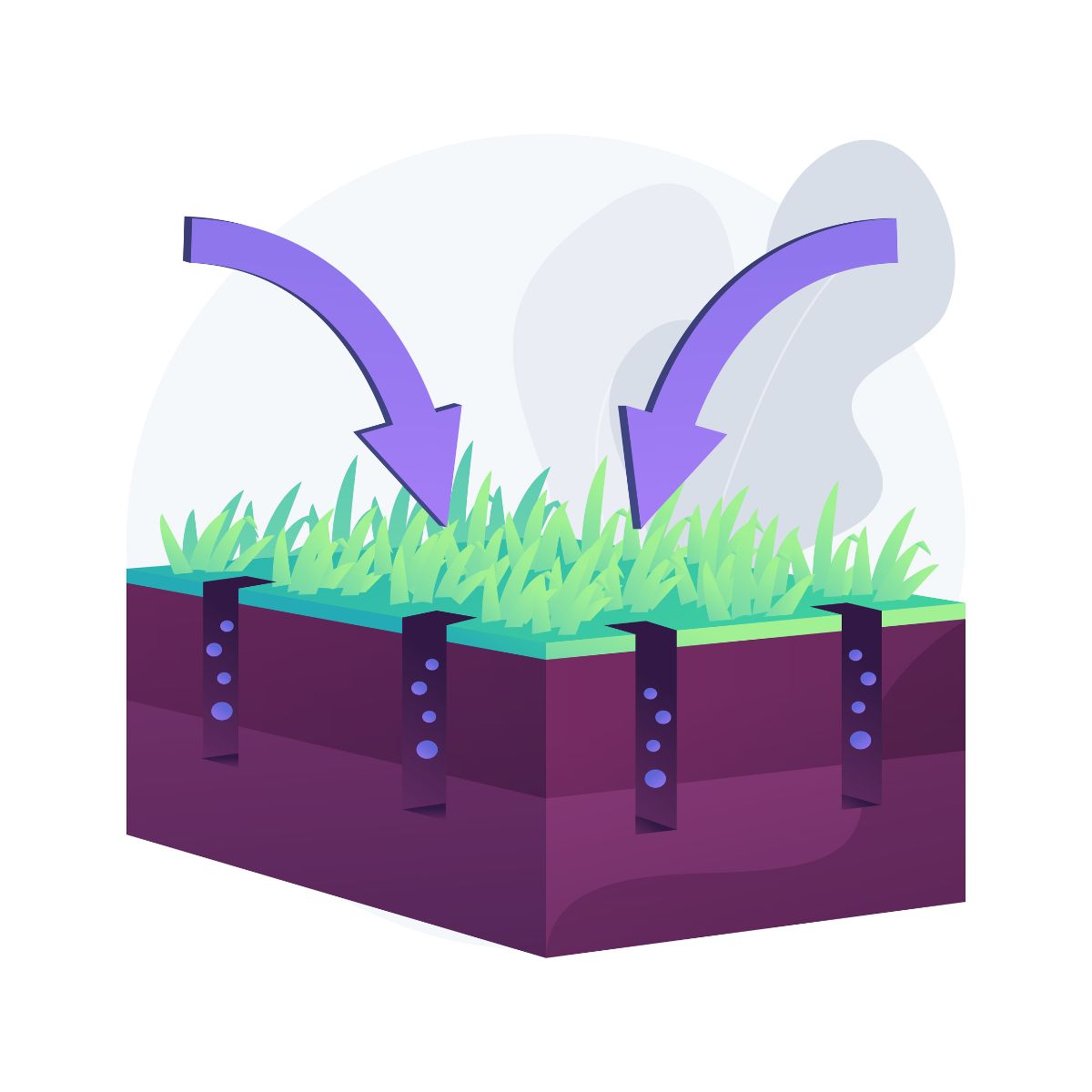
There are some materials that hold truly ridiculous amounts of water. They’re not necessary for most gardens, but if you’ve got really extreme conditions, they can help.
Biochar
This is basically charcoal made specifically for garden use. The structure is incredibly porous—holds water and nutrients like crazy. And it lasts essentially forever in soil.
I tried it in my worst raised bed—the one that dried out fastest, no matter what I did. Mixed in about 10% biochar when I rebuilt the soil. That bed now stays moist as long as the others, despite being most exposed to wind.
It’s expensive,e though. Twenty-five bucks is enough to treat maybe fifty square feet. I only use it in problem areas, not everywhere.
Coconut Coir
This is shredded coconut husk fiber. Comes in compressed bricks that expand like crazy when you add water.
It holds water better than peat moss without the environmental problems. And unlike peat, coir is pH neutral, so it doesn’t make your soil acidic.
I use it in potting mixes and in raised beds where I need extra water retention. Mix in about 20% by volume. Helps a lot in containers that tend to dry out too fast.
What About Peat Moss?
Peat moss holds water well, but I’ve stopped using it. It comes from peat bogs that take thousands of years to form. Mining is basically destroying ancient ecosystems. Coir works just as well, and it’s renewable.
Plu,s peat is hydrophobic when it dries out completely. Ever try to rewet a dried peat moss pot? The water just runs right through. Doesn’t happen with coir.
Design Matters More Than You Think
Where you put your beds and how you arrange everything make a huge difference in how much water you need.
Sun and Wind Exposure
My south-facing beds in full sun need way more water than my east-facing beds that get afternoon shade. Same soil, same plants. The difference is just brutal sun all afternoon.
If I had it to do over, I’d put the most water-hungry crops on the east or north side, where they get some relief from the worst heat. Save the south and west exposures for drought-tolerant stuff.
Wind is just as bad asthe sun. Constant breeze pulls moisture right out of the soil. I planted a row of tall shrubs on the west side of my garden to block the prevailing wind. Beds behind that windbreak use noticeably less water than the exposed beds.
… 15 Proven Tips to Protect Your Plants in Summer Heat
Slope Is Working Against You
If your garden is on any kind of slope, water runs downhill before it soaks in. Plants at the top get almost nothing. Plants at the bottom get flooded.
I fought this for two years before I finally put in contour swales. These are just shallow ditches running across the slope—following the contour instead of going up and down. Water hits the swale and spreads out slowly instead of rushing downhill.
Made a huge difference. Plants at the top of the slope actually get water now. And the bottom isn’t waterlogged anymore.
Maintaining What You’ve Built
This isn’t a one-time fix. You have to keep at it.
The Seasonal Rhythm
In the spring, I add two to three inches of compost before planting. Work it in lightly, let it settle, then plant. Once everything’s in, I mulch immediately while the soil is still moist from spring rains.
Mid-summer, I check mulch depth and add more where it’s gotten thin. Usually, by Jul,y the mulch has broken down enough that it needs topping up.
Fall after harvest, I add another round of compost. This is actually more important than spring because it has all winter to break down and integrate into the soil.
I also plant cover crops in beds that won’t have anything growing through winter. The roots break up soil and add organic matter when I chop them down in spring.
Keep Watching
After a few years, you get a feel for how your soil is doing just by looking at it and working with it.
Good soil smells right. It’s dark. It’s soft. Water soaks in instead of pooling or running off. When you dig, you see earthworms. Plants grow fast and healthy without constant fussing.
If things start going backwards—soil getting harder, drying faster, plants struggling—you’ve probably slacked off on the compost additions. Just get back on schedule. The soil will recover.
Questions People Ask
“How long before I see results?”
It depends on what you’re starting with and what you do. Mulch works immediately—like day one. Organic matter takes longer. You’ll notice improvement in a few months, but real transformation takes a couple of years of consistent additions.
“I can’t afford that much compost.”
Make your own. I started with one bin, now I have three. All my kitchen scraps, yard waste, leaves from neighbors who bag them—everything goes in. I make probably four or five cubic yards a year for free. Takes some work, but it’s worth it.
Or start small. Do one bed at a time. Whatever you can afford. Any improvement is better than none.
“Will adding all this organic matter create drainage problems?”
Not if you’re using compost or aged manure. These improve drainage while increasing water retention because they create soil structure. It’s not either/or—it’s both at the same time.
The only way you’d create drainage problems is by adding clay or peat moss to already heavy soil.
“What if I’m just renting and might move?”
Your next garden will be easier because you’ve learned what works. And honestly, a few bags of compost and some mulch don’t cost that much. Even if you move, you’ll have learned how to grow food successfully. That’s worth something.
Plus, you’re building the soil for whoever comes next. I like knowing I left my gardens better than I found them.
The difference between soil that dries out in hours and soil that stays moist for days isn’t magic. It’s organic matter. It’s mulch. It’s proper watering technique. It’s not walking on your beds.
None of this is complicated or expensive or requires special knowledge. You just have to actually do it and keep doing it.
Start with mulch if you need immediate help. Add compost whenever you can. Water deeply instead of often. Stop walking on the soil.
Your garden will get better every year instead of being the same fight every summer.
… 10 Smart Ways to Harvest Rainwater for Your Garden
… 10 Smart Ways to Save Water in the Garden
… Automatic Drip and Mist Irrigation Kit