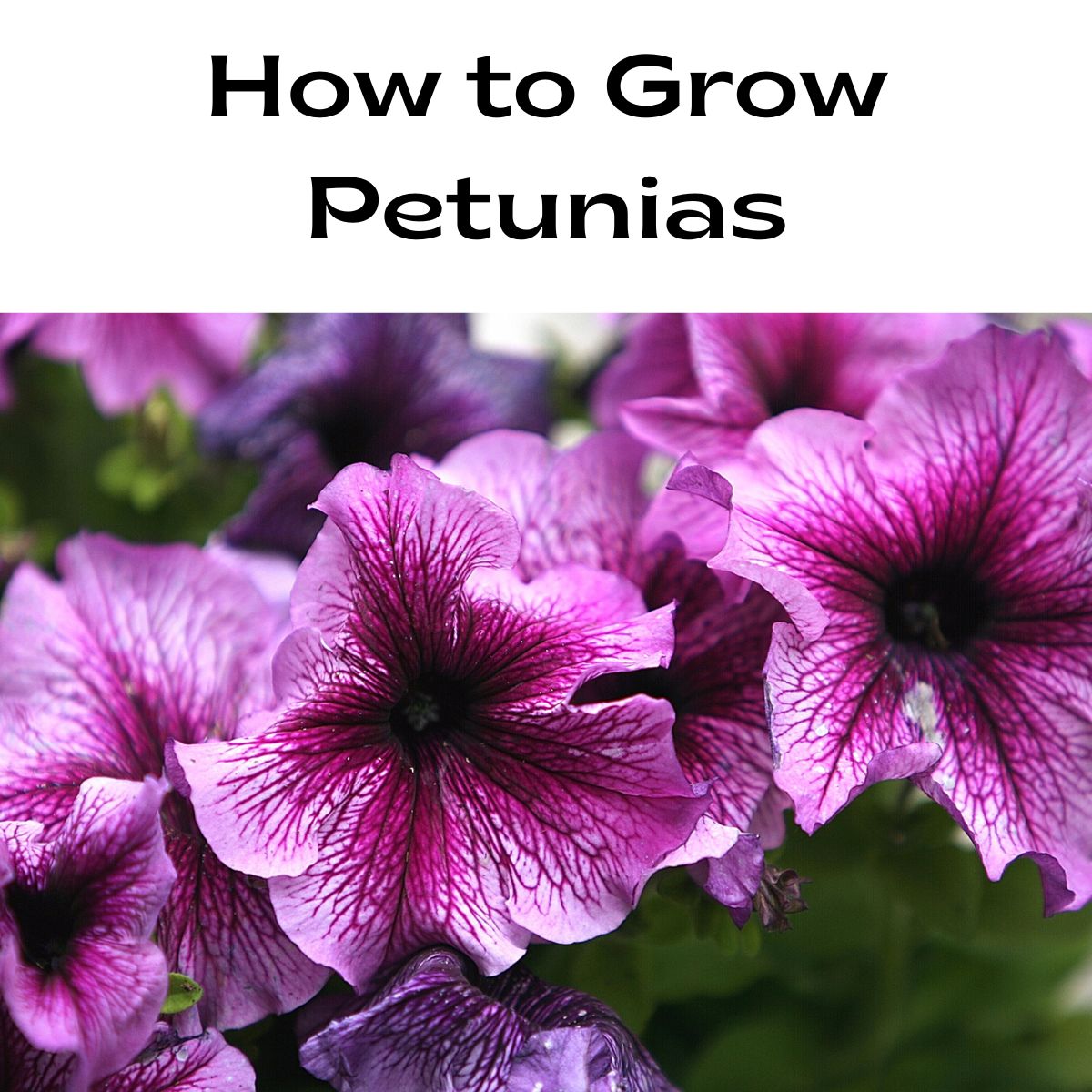
Complete A To Z Guide: How to Grow Petunias, Care, and Blooming Tips
I’ve been growing petunias since 1974. Back then, we had maybe four colors to choose from, and they all got leggy by July. Things have changed–mostly for the better. Here’s everything I wish someone had told me fifty years ago.
What Petunias Actually Are
The first petunia I ever grew was a scraggly purple thing my mother gave me in a 4-inch pot. I was twelve. Stuck it in the ground, forgot to water it for a week, figured I’d killed it. Watered it once, and the damn thing came back and bloomed for three months straight.
That’s when I learned petunias are tougher than they look.
They’re originally from South America–Brazil, Argentina, that region. Wild petunias are actually perennials down there. Up here in North America, we treat them as annuals because they can’t handle frost. But in warm climates (Zone 9 and up), petunias will come back year after year if you don’t let them freeze.
The petunias we grow now barely resemble those original species. We’ve bred them into shapes and sizes that would probably confuse a wild petunia.
The Four Main Types You’ll Actually See
Grandiflora petunias have those big, showy flowers—four to five inches across. Gorgeous blooms. But here’s what nobody tells you: they’re the fussiest type. Heavy rain beats the hell out of those big flowers. If you live somewhere with afternoon thunderstorms all summer, grandifloras will look rough by mid-season.
I grew these for years in Pennsylvania. Every July, we’d get these violent thunderstorms, and my grandifloras would look like they’d been through a war and finally switched to other types. Still grow a few for the wow factor, but they’re high maintenance.
Multiflora petunias have smaller flowers—about two inches across—but way more of them. More weather-resistant than grandifloras. The flowers bounce back better after rain. This is what I recommend for most people now.
I’ve got a bed of multiflora petunias that gets hammered by wind coming off the valley. They look fine. Grandifloras in the same spot would be shredded.
Wave petunias changed the game when they came out in the ’90s. These spread like crazy—a single plant can cover three feet. They’re vigorous growers, bloom heavily, and they’re tough.
I remember when Wave petunias first hit the market. Everyone thought they were too good to be true. Turned out they really do grow that well. I’ve got Wave petunias in hanging baskets that are basically just balls of flowers by peak summer.
The downside is that they need space. Don’t plant Wave petunias close together, thinking you’ll get more flowers. They need room to spread, or they compete with each other, and nobody does well.
Milliflora petunias are the tiny ones. Flowers may be an inch across. Lots of them, though. These are good for small containers and tight spaces.
Honestly, I don’t grow millifloras much. They’re cute but fiddly. If you’ve got limited space,e they work, but given a choice, I’d rather have multifloras.
Why Everyone Grows These Things
Petunias bloom their heads off if you give them what they want. And what they want isn’t complicated—sun, decent soil, regular water. That’s basically it.
They’re cheap. You can buy six-packs of petunias at any garden center for a few bucks. Seeds are even cheaper if you want to go that route.
Colors are insane. Every shade of purple, pink, red, white, and yellow. Stripes, veining, two-toned flowers. Some of the new varieties have colors that didn’t exist when I started gardening.
And they smell good. Not all of them, but many petunias have this honey-sweet scent that’s strongest in the evening. I’ve got a dark purple variety that smells amazing after sunset.
Annual vs Perennial Confusion
Technically, petunias are tender perennials. In frost-free climates, they live for years. Everywhere else, frost kills them, and you replant next spring.
I’m in Zone 6. My petunias die every winter. But I’ve got a friend in Southern California who has three-year-old petunias that are still going strong. Same plants, just protected from the cold.
You can bring petunias inside before frost and keep them alive as houseplants. I’ve done this. It’s not worth the effort unless you’ve got a variety you really love and can’t find again. They get leggy indoors and don’t bloom as well. Easier to just start fresh in the spring.
What Petunias Actually Need
Temperature and Climate
Petunias thrive in warm weather. They really start growing once nighttime temps stay above 55°F consistently. Below 50°F at night, and growth slows way down.
Heat doesn’t bother them much. I’ve had petunias blooming through weeks of 90-degree weather. They need more water in the heat, but they don’t shut down as some flowers do.
Frost is instant death. Even a light frost—32°F for an hour—will turn petunias to black mush overnight. I’ve seen this happen more times than I can count. Always check the forecast in the fall and be ready to cover them or bring containers inside if frost threatens.
Sun Requirements Are Real
Full sun means six to eight hours of direct sunlight. Not filtered light through trees. Not morning sun and afternoon shade. Actual direct sunlight.
I’ve tried growing petunias in less sun. They survive, but they get leggy and don’t flower much. Waste of space and effort.
If you’ve only got partial sun—like an east-facing balcony—you can grow petunias, but set your expectations accordingly. You’ll get some flowers, just not the heavy blooming you see in pictures.
The only exception I’ve found is in really hot climates. A friend of mine in Phoenix says his petunias actually do better with afternoon shade when it’s 110°F outside. But that’s extreme heat. For most of us, more sun equals more flowers.
Soil Needs
Petunias aren’t picky about soil type, but drainage is non-negotiable. They’ll rot in heavy clay that stays wet. They need soil that drains within a few hours after rain or watering.
pH between 6.0 and 7.0 is ideal. I’ve never actually tested soil pH for petunias. They seem fine in whatever my garden soil happens to be. But if you’re the type who tests, that’s the range you want.
In containers, use actual potting mix. Not garden soil. Garden soil compacts in pots, and drainage goes to hell. I learned this the hard way, my first year of container gardening.
Water—More Than You Think, Less Than You’d Guess
Petunias need consistent moisture, but they hate sitting in water. This is the trickiest part for beginners.
In the ground, I water petunias deeply twice a week during normal weather. Three times a week if it’s hot and dry. Once a week if it’s been raining.
In containers, they dry out way faster. I check container petunias daily in summer. If the top inch of soil is dry, they are watered until water runs out of the drainage holes.
Wilting petunias will usually recover if you water them within a few hours. But let them wilt repeatedly, and they’ll stop blooming. I’ve done this enough times to know it’s not worth it. Just water them regularly.
Fertilizer Makes the Difference
Unfertilized petunias bloom for maybe a month, then slow down. Fertilized petunias bloom all season.
I use water-soluble fertilizer every two weeks. Something balanced like 10-10-10 or a bloom-booster with higher phosphorus, like 10-30-10. Doesn’t have to be petunia-specific. Any flowering plant fertilizer works.
Some people use slow-release fertilizer mixed into the soil at planting. This works too. I prefer liquid because I can adjust based on how the plants look. But slow-release is fine if you don’t want to think about feeding every couple of weeks.
… What Is Compost? Why It’s Important for Healthy Gardening
Actually Planting Petunias
Seeds vs Plants from the Nursery
I’ve grown petunias both ways. Here’s the truth: buying plants is easier and faster. Starting from seed is cheaper and gives you much more variety.
Starting from seed means you plant in late winter (February or March for most of us), wait 10-12 weeks for flowering-size plants, then transplant outside after the last frost. It’s a project. You need space indoors, good light, and time to babysit seedlings.
I still start some petunias from seed every year because there are varieties you can’t buy as plants. Unusual colors, specific types. But it’s not beginner-friendly.
Starting plants in spring means you’ll get flowers immediately. Costs more, has less variety selection, but you skip the whole indoor growing phase.
If you’re new to this, buy plants. Once you’ve successfully grown petunias for a season and you know what you’re doing, then maybe try seeds next year.
Soil Prep
For garden beds, I dig in about two inches of compost before planting. Loosens the soil, adds nutrients, improves drainage. Takes maybe twenty minutes for a decent-sized bed.
Don’t overthink this. Petunias aren’t roses. They’ll grow in mediocre soil. But better soil means better growth and more flowers.
For containers, fill with potting mix. I mix in some slow-release fertilizer if I’m feeling ambitious. Usually, I just use straight potting mix and plan to liquid-feed every couple of weeks.
Spacing in Garden Beds
Plant spacing depends on the type. Grandifloras and multifloras: 10-12 inches apart. They’ll fill in within a month.
Wave petunias need more room. I plant these 18-24 inches apart. Seems like a lot of space at first. Give them a month, and they’ll have filled it.
Planting too close is a common mistake. The plants compete for light, and air circulation drops. You end up with fungal problems and weak growth.
Container Planting
For a 10-inch pot, I plant one petunia. Maybe two if they’re compact varieties. But generally, one plant per pot works better than crowding multiple plants in.
Hanging baskets—12-14 inches across—I’ll use three petunias spaced evenly. For Wave types, just one plant. It’ll fill the basket on its own.
Make sure containers have drainage holes. I cannot stress this enough. No drainage equals dead plants. Doesn’t matter how pretty the pot is.
The First Week
Water thoroughly after planting. Like, really soak them. This settles soil around the roots and eliminates air pockets.
Keep the soil consistently moist (not wet, just moist) for the first week while roots establish. After that, you can back off to a normal watering schedule.
Don’t fertilize immediately. Wait two weeks after planting before starting regular feeding. New plants don’t need fertilizer right away, and you can burn tender roots if you feed too soon.
Container Growing Details
I’ve probably grown thousands of petunias in containers over the years. They’re perfect for it. Here’s what actually matters:
Pot Size
Too small and they get root-bound fast. Growth stops, and flowering decreases.
My standard now: 10-inch pots minimum for single plants. 12-14 inch hanging baskets for Waves or multiple plants.
Bigger is fine. I’ve got petunias in 16-inch pots that are basically small shrubs by August. More soil means less frequent watering and more nutrients available.
The Drainage Situation
Every container needs holes in the bottom. One big hole or several small ones. Doesn’t matter as long as water can escape.
I’ve tried those self-watering containers. They work, but I prefer regular pots with saucers. Self-watering pots can keep the soil too wet if you’re not careful.
Put an inch of gravel in the bottom of pots before adding soil—this is completely unnecessary. Just wasted space. Skip it. Drainage holes are all you need.
… 12 Most Common Irrigation Mistakes That Damage Your Plants
… How to Grow Impatiens Flowers from Seed
… How to Grow Portulaca from Seed
… How to Grow Chrysanthemums from Seed
Potting Mix
Use actual potting mix, not garden soil. I buy whatever’s on sale. They all work. Sometimes I’ll mix in extra perlite if the mix seems heavy, but usually I use it straight from the bag.
Potting mix breaks down over the season. By fall, it’s compacted, and drainage isn’t as good. For annual petunias, this doesn’t matter much. But if you’re reusing containers next year, dump the old mix and start fresh.
Where to Put Containers
Full sun location. South or west-facing if you’ve got a choice.
I’ve got containers on my driveway, on the front porch, hanging from shepherd’s hooks in the yard. As long as they get sun, petunias will bloom.
Wind can be an issue for hanging baskets. I lost a basket to the wind last year—blew right off the hook and shattered on the patio. Now I use heavier chains and sturdier hooks.
Common Container Mistakes
Planting too many plants per container. People think more plants equals more flowers. Doesn’t work that way. Overcrowded plants compete, and none of them thrives.
Not watering enough. Containers dry out fast. Once a week doesn’t cut it in summer. Daily checks, water when the top inch is dry.
No fertilizer. Container plants run through nutrients faster than garden plants. Feed regularly, or blooming drops off.
Wrong pot size. Those tiny 4-inch pots of petunias come in at the nursery? That’s not a permanent home. They need bigger pots to really grow.
Daily Care Reality
Watering Through the Seasons
Spring: Maybe twice a week. Temps are cool, plants are small, and they don’t use much water yet.
Summer: Daily checks. Container petunias often need water every day in peak heat. Garden petunias may need to be watered 2-3 times per week.
Fall: Back to twice a week or less as temps cool down.
I don’t water on a fixed schedule. I check the soil. Finger in the pot or in the ground. Damp? Don’t water. Dry? Water deeply.
Feeding Schedule
I fertilize every two weeks from when plants start actively growing until fall.
Mix liquid fertilizer at half the recommended strength. Seems counterintuitive, but I’ve found this works better than full-strength applications. Plants get steady nutrition without the risk of fertilizer burn.
If I’m traveling or busy, I’ll skip a feeding. Petunias are forgiving. They won’t die if you miss a scheduled feeding. They just won’t bloom quite as heavily.
Deadheading—Do You Actually Need to Do This?
Old-school petunias needed constant deadheading. Every spent flower had to be pinched off, or the plant would slow down blooming.
Modern petunias, especially Wave and many multiflora types, are self-cleaning. The spent flowers drop on their own. You can deadhead if you want, but it’s not required.
I deadhead my grandifloras because they look messy with dead flowers hanging on. But my Waves? I never touch them. They clean themselves up just fine.
Cutting Back Leggy Growth
Even the best petunias get leggy by mid-summer. Long stems with flowers at the tips, bare stems below.
Cut them back by about half. Use scissors or pruners, doesn’t matter. Just whack them back.
They’ll look terrible for about a week. Then new growth emerges from where you cut,t and they come back bushier and fuller than before.
I do this once around mid-July. Sometimes again in late August, if they’re getting scraggly.
People are scared to cut back flowering plants. I get it. Seems wrong to cut off flowers. But petunias respond to pruning by branching and producing more flowers. You’re trading a week of no blooms for months of heavier blooming.
Getting Massive Flower Production
Pinching When They’re Young
When petunia seedlings are about 4-6 inches tall, pinch out the growing tip—just the top half inch.
This forces the plant to branch. Instead of one main stem, you get 3-4 stems. More stems mean more flowers.
I pinch every petunia I plant when it’s young. Takes thirty seconds per plant. Makes a huge difference in how bushy they get.
The Right Fertilizer
For heavy blooming, phosphorus is key. That’s the middle number in N-P-K ratios on fertilizer bags.
I use 10-30-10 bloom booster every two weeks during active growth. This pushes flower production hard.
Too much nitrogen (the first number) gives you lots of leaves but fewer flowers. Balanced fertilizer like 10-10-10 works fine. But for maximum blooms, go with higher phosphorus.
Sun, Sun, Sun
This is maybe the most important factor. More sun equals more flowers. Period.
I’ve compared the same varieties in different light conditions. The ones in full sun are covered with blooms. The ones in partial shade have maybe a third as many flowers.
If your petunias aren’t blooming heavily, the first thing to check is sunlight. Count the actual hours of direct sun. If it’s less than six hours, that’s your problem.
Preventing Leggy Growth
Legginess happens when plants don’t get enough light or are overfed with nitrogen.
Fix: More sun. Less nitrogen fertilizer. Pinch back leggy stems to encourage branching.
I used to fight legginess constantly. Then I moved some containers from a spot that got 5 hours of sun to a spot that got 8 hours. Problem solved. Turns out it was a light issue all along.
When Things Go Wrong
No Flowers or Very Few Flowers
Not enough sun is the usual culprit. Petunias in shade don’t bloom much. Move them or accept reduced flowering.
Over-fertilizing with nitrogen gives you a big green plant with no flowers. Switch to bloom fertilizer with higher phosphorus.
The plant is too young. Sometimes you just need to wait. Give them another couple of weeks.
Temperature issues. If it’s consistently below 55°F at night, blooming slows. Nothing you can do but wait for warmer weather.
Yellow Leaves
Overwatering is the most common cause. Yellow leaves starting from the bottom, soil constantly wet, that’s overwatering. Cut back on watering and improve drainage.
Underwatering can also cause yellowing, but you’ll also see wilting. Easy to distinguish from overwatering.
Nutrient deficiency, usually nitrogen. Older leaves yellow while new growth stays green. Feed them, and they’ll green up within a week or two.
Age. Sometimes, lower leaves just yellow and drop as the plant ages. Totally normal if it’s only a few leaves and the plant otherwise looks healthy.
Wilting Despite Wet Soil
This is root rot. The roots have died from sitting in waterlogged soil, and they can’t take up water even though water is available.
Usually not fixable once it’s started. You can try letting the soil dry out completely and hope some healthy roots remain. But honestly, root-rotted petunias usually die.
Prevention: Better drainage. Don’t overwater. Make sure pots have drainage holes.
I’ve killed more petunias from overwatering than anything else. It’s the most common way these plants die.
Slow Growth
Not enough fertilizer. Feed them and watch them take off.
Root-bound. If they’re in too small a container, roots have nowhere to go, and growth stops. Transplant to a larger pot.
The temperature is too cool. Below 60°F, growth is slow. Can’t fix the weather, just wait for warmth.
Compacted soil. Roots can’t expand. Loosen soil or transplant.
Dealing with Pests and Diseases
Aphids
These are the little green, black, or brown bugs clustered on new growth and flower buds. They suck sap from the plant.
I’ve dealt with aphids on petunias for fifty years. Here’s what actually works:
Blast them off with a strong spray of water from the hose. Most won’t come back. Do this every few days if needed.
Or spray with insecticidal soap. I use the Safer brand. Follow directions on the bottle.
Ladybugs eat aphids. I don’t buy ladybugs, but if they show up in my garden, I appreciate them.
Heavy aphid infestations weaken plants and spread disease. Don’t ignore them.
Whiteflies
Tiny white flying insects that rise in a cloud when you disturb the plant. Another sap-sucker.
Yellow sticky traps help. Hang them near infested plants.
Insecticidal soap works on whiteflies, too. Spray the undersides of leaves where they hide.
Whiteflies are harder to control than aphids in my experience. Persistent bastards. But weekly spraying will knock them back enough that the plant can handle it.
Spider Mites
You usually see the damage before you see the mites—fine webbing on leaves, stippled yellowing leaves.
Spider mites thrive in hot, dry conditions. Increasing humidity helps. I spray plants with water to knock mites off and raise humidity around the leaves.
Neem oil works. Insecticidal soap works. Both require repeated applications because you’re not going to get all the mites on the first spray.
I’ve had spider mite problems in containers on my deck that gets brutally hot in the afternoon. Moving those containers to a slightly shadier spot helped reduce mite pressure.
Powdery Mildew
White powdery coating on leaves. A fungal disease that shows up in humid conditions with poor air circulation.
Doesn’t usually kill petunias, but it’s ugly,y and it reduces flowering.
Improve air circulation. Don’t overcrowd plants. Prune out dense growth.
Water the soil, not the leaves. Wet leaves encourage fungal growth.
Neem oil spray helps. Baking soda spray (1 tablespoon per gallon of water) helps. Fungicides work, but I rarely bother with petunias. Usually,y I just tolerate some mildew or cut back affected stems.
Root Rot
Already covered this above, but it’s worth repeating: root rot kills petunias fast, and it’s almost always from overwatering or poor drainage.
Can’t cure it. Can only prevent it. Water less. Make sure containers drain. Don’t let plants sit in saucers of water.
Leaf Spot
Dark spots on leaves, sometimes with yellow halos. Various fungal or bacterial infections.
Remove affected leaves. Don’t get leaves wet when watering. Improve air circulation.
Usually, leaf spot doesn’t kill petunias. They just look ratty. Sometimes I’ll spray with fungicide if it’s bad. More often,n I just cut back the worst stems and let the plant grow out of it.
Organic vs Chemical Control
I use both depending on the situation.
For minor pest problems, I go organic. Water spray, insecticidal soap, neem oil, and hand-picking.
For serious infestations that threaten to kill plants, I’ll use synthetic pesticides. I’m not ideologically opposed to chemicals. I just prefer not to use them unless necessary.
That said, I’ve grown petunias for decades, mostly without any sprays at all. Healthy plants resist pests better. Good growing conditions prevent most disease problems. I only reach for sprays when things get out of hand.
… 8 Organic Pest Control Methods for Home Gardens
Seasonal Care
Summer
This is prime time for petunias. They’re blooming hard, growing fast, using lots of water and nutrients.
Daily watering checks. Fertilize every two weeks. Deadhead grandifloras. Cut back leggy growth mid-season.
Watch for heat stress in containers. Sometimes in 95-degree weather,r even petunias struggle. Moving containers to get afternoon shade can help during heat waves.
… 15 Proven Tips to Protect Your Plants in Summer Heat
Dealing with Rainy Periods
Heavy rain beats up petunia flowers, especially grandifloras—nothing you can do about it for in-ground plants.
For containers, I’ll move them under cover during forecasted heavy rain. Usually, I forget, and the plants just deal with it.
Too much rain also means soggy soil. If you’re getting rain every day for a week, stop watering. Let nature handle it. Overwatering is worse than a few beaten-up flowers.
Learn – 10 Smart Ways to Harvest Rainwater for Your Garden
… How to Grow Vinca Flowers from Seed
… How to Grow Peace Lily from Seed?
… How to Grow Calibrachoa from Seed
Fall Care
As nights get cooler, growth slows. I cut back on feeding—maybe once every three weeks instead of every two.
Watering needs decrease. Check the soil before watering. It stays moist longer in cool weather.
Petunias will keep blooming until frost kills them. I’ve had petunias flowering into November some years.
Winter
In most climates, petunias die at the first frost. That’s it. Season’s over. Rip them out, compost them, done.
In frost-free climates (Zone 9+), petunias keep growing through winter. They slow down in cooler weather but don’t die.
You can dig up petunias before frost and bring them inside. I’ve done this. They survive, but they don’t thrive indoors. Get leggy, don’t bloom much, take up space. Not worth it in my opinion unless you’ve got a rare variety you can’t replace.
When to Replant
I plant petunias in spring after the last frost date. For me, that’s mid-May. South of me,e it’s earlier. North it’s later.
No point planting too early. If temperatures are still dropping to 40°F at night, petunias won’t grow much. Wait for consistently warm weather.
I’ve planted petunias as late as early July, and they’ve still given me months of blooms. Don’t stress about perfect timing. Just get them in the ground once the weather is warm and settled.
Starting from Seed
I start petunia seeds indoors 10-12 weeks before the last frost. For me, that means late February or early March.
Germination Requirements
Petunia seeds are tiny, like dust. Don’t bury them. Scatter on the soil surface and barely press them in.
They need light to germinate. Cover the tray with plastic to retain moisture, but make sure light can reach the seeds.
Keep soil warm—70-75°F. I use a heat mat under my seed trays. Without heat, germination is slow and spotty.
Keep soil consistently moist. Not wet, just moist. Check daily. Dry seeds won’t germinate.
Germination usually takes 7-14 days. Sometimes longer for certain varieties.
Seedling Care
Once seedlings emerge, give them strong light. I use grow lights 2-3 inches above the seedlings for 14-16 hours per day.
Without strong light, seedlings get leggy and weak. Window light usually isn’t enough.
Feed with diluted liquid fertilizer once they have true leaves. Quarter strength to start, working up to half strength.
Transplanting
When seedlings are about 3 inches tall with several sets of true leaves, I transplant them to individual 3-4 inch pots.
Handle carefully. The stems are fragile.
Grow them in those pots until they’re ready to go outside after the last frost.
Hardening Off
You can’t take seedlings straight from indoors to the garden. The shock will stunt them badly.
About two weeks before planting out, start hardening off. Put seedlings outside for a few hours in a protected spot. Bring them in at night.
Gradually increase outdoor time over two weeks. By the end, they’re staying out day and night.
Then plant them in their final location.
… How to Grow Kalanchoe Flowers from Seeds?
… How to Grow Anthurium from Seed
Common Seed Growing Problems
Seeds don’t germinate; usually, it’s due to temperature or moisture issues. Keep soil warm and consistently moist.
Seedlings damping off: A fungal disease that kills seedlings at the soil level. Caused by overwatering, poor air circulation, or contaminated soil. Use sterile seed-starting mix, don’t overwater, and provide air circulation.
Leggy seedlings: Not enough light. Move closer to the light source or use stronger lights.
Slow growth: Usually, temperature or fertilizer. Keep them warm and feed regularly once they’re established.
Companion Planting
I plant petunias with lots of other flowers. Some combinations work better than others.
Good Companions
Alyssum: Low-growing, fills in around petunias, doesn’t compete well in similar conditions.
Verbena: Similar light and water needs. Different flower shapes create visual interest.
Geraniums: Compatible in containers. Upright geraniums with trailing petunias work well together.
Marigolds: Different enough that they don’t look redundant. Both attract pollinators.
Salvia: Spiky flowers contrast nicely with petunia blooms—similar care requirements.
Plants to Avoid
Aggressive spreaders, such as vinca vine, will smother petunias. Keep these separate.
Shade-lovers like impatiens want different conditions. They struggle in the full sun that petunias need.
Very tall plants that will shade the petunias. Keep petunias in front where they get full light.
Why Companion Planting Matters
Variety in the garden looks better than solid blocks of one plant. Mixing textures, heights, and flower shapes creates more interesting displays.
Different plants flower at different times. Combining early bloomers with late bloomers extends the season.
Some companion plants attract beneficial insects that help control pests.
But honestly, I mostly companion plant because it looks good. Functional benefits are secondary.
Using Petunias in the Landscape
Hanging Baskets
Wave petunias are perfect for hanging baskets. One plant will fill a 12-14-inch basket by mid-season.
I hang baskets from shepherd’s hooks in the yard, from porch eaves, from deck railings. Anywhere I can get a hook.
Water hanging baskets daily in summer. They dry out faster than ground-level containers.
Garden Borders and Edging
I line walkways with petunias. They soften the hard edges of paths and provide continuous color.
Plant them close enough that they fill in, but not so close that they’re crowded. About 10 inches apart for most types.
They need at least 6 inches of soil depth for border plantings. Shallow soil dries out too fast.
Containers on Balconies and Patios
I’ve got maybe twenty container petunias on my deck right now. Different colors, different types. It’s like a petunia buffet.
Group containers for more impact. Three pots of petunias together look better than three pots spread across the deck.
Various heights. Put some containers on plant stands or upturned pots. Creates more visual interest than everything at the same level.
Color Combinations
I’m not good at color theory, but I know what looks good to me.
Purple and white petunias together are classic. Can’t go wrong.
Pink and yellow are cheerful. Maybe too cheerful for some people’s taste.
Red and white are bold. Probably overdone,e but still effective.
Using a single color makes a strong statement. A whole bed of deep purple petunias is stunning.
Mixed colors in the same container can work or can look chaotic. I prefer to stick to 2-3 colors per container at most.
Indoor Growing
Can You Grow Petunias Inside?
Sort of. They’ll survive indoors, but they won’t thrive as they do outside.
I’ve tried this multiple times. Results are always mediocre—leggy growth, fewer flowers, pest problems.
The issue is light. Petunias need intense light. Window light isn’t enough. You need grow lights—strong ones running 14-16 hours a day.
Even with grow lights, indoor petunias never match outdoor performance.
If You’re Going to Try Anyway
Use the strongest grow lights you can afford. Position 6-12 inches above the plants.
Bright, south-facing window plus grow lights is better than either alone.
Humidity is usually lower indoors. Petunias tolerate this, but spider mites love dry indoor air. Watch for mites.
Feed regularly, since you’re asking the plant to bloom under suboptimal light conditions.
Honestly, Don’t Bother
Unless you’ve got amazing indoor growing conditions, petunias are better left as outdoor plants.
There are better options for indoor flowering plants. Peace lilies, begonias, African violets—these actually bloom well indoors.
Save petunias for when you can put them outside in the sun.
How Long Petunias Last
Blooming Season
From first flower to last, you’re looking at 4-6 months in most climates.
I plant in May, get first flowers by late May or early June, and they bloom continuously until the October frost. That’s five months of flowers from one planting.
In frost-free climates, petunias can bloom year-round. A friend in San Diego says his petunias bloom 10-11 months a year with a short rest period in winter.
Extending the Bloom Period
Deadhead regularly (for varieties that need it). Feed consistently. Prune back leggy growth. These all keep blooms coming.
Protect from early frost if the forecast looks dodgy. Covering plants at night can give you a few more weeks of blooms.
When They Finally Quit
Frost kills petunias. End of story.
After frost, the plant is black mush. Rip it out. It’s not coming back.
In areas without frost, petunias can get woody and bloom less over time. Most people replace them after a year or two, even in warm climates,s because they stop performing well.
Which Petunia Should You Grow?
Best for Beginners
Wave petunias. Vigorous, forgiving, bloom heavily. Hard to kill.
Multiflora types are also beginner-friendly. More weather-resistant than grandifloras.
Best for Containers
Again, wave for larger containers and hanging baskets.
Compact multiflora varieties for smaller pots.
Millifloras work in really small containers, but I’d still choose multifloras given a choice.
Best for Hanging Baskets
Wave petunias were basically invented for this. One plant, 12-14-inch basket, give it a month, and you’ve got a ball of flowers.
Some of the cascading multiflora types work well,l too.
Best for Heavy Rain Areas
Multiflora types handle rain better than grandifloras. The smaller flowers aren’t as damaged by heavy rain.
Wave petunias are also fairly rain-resistant.
Skip grandifloras if you get frequent heavy rain. They’ll look beaten up all season.
Cost Reality
Buying Seeds vs Plants
Seeds: $3-5 per packet, with maybe 20-50 seeds depending on the variety. Cheaper per plant, but you need to invest time and equipment for indoor starting.
Plants: $3-6 per six-pack of small plants. More expensive per plant, but way less work.
For most people, buying plants makes more sense unless you want specific varieties only available as seeds.
Everything Else
Potting mix: $8-12 for a large bag. Will fill several pots.
Fertilizer: $10-15 for a bottle of liquid fertilizer that lasts all season.
Containers: Whatever you want to spend. I’ve used $2 plastic pots and $30 ceramic pots—both work.
Total investment for a season of petunias in containers: Maybe $50-75 if you’re starting from scratch. Less if you already have pots and supplies.
Garden bed petunias are cheaper since you’re not buying containers.
Maintenance Costs
Water is probably your main ongoing cost, though, unless you’re metered,d it’s negligible.
Fertilizer lasts most of a season in my experience.
Replacement plants if something dies, but petunias are cheap enough that this isn’t a big deal.
Really, petunias are one of the cheapest ways to have months of continuous flowers.
Mistakes I’ve Made (So You Don’t Have To)
Overwatering
I’ve killed more petunias from too much water than from drought. Took me years to learn that petunias need to dry out slightly between watering.
Check the soil before watering. Don’t water on a schedule—water when the plant needs it.
Insufficient Light
Tried growing petunias in partial shade, thinking they’d be fine. They weren’t. Leggy, few flowers, waste of space.
Now I only plant petunias where they get 6+ hours of direct sun. Anything less, and I grow something else.
Wrong Soil in Containers
Used garden soil in pots. Compacted, drained poorly, plants struggled.
Now I only use actual potting mix in containers. Worth the extra cost.
Ignoring Pruning
Let petunias get leggy for years because I didn’t want to cut off flowers.
Finally tried cutting them back mid-season. They came back bushier and bloomed heavier. Wish I’d started doing this decades earlier.
Things That Actually Work
After fifty years, here’s what I’ve learned really matters:
Sun: More is better. Six hours minimum. Eight is ideal.
Drainage: In-ground or containers, water must drain away. Soggy soil kills petunias.
Consistent care: Water when needed, feed regularly. Sporadic care gives sporadic results.
Pruning: Cut them back when they get leggy. They bounce back better than before.
Right variety: Match the petunia type to your conditions. Grandifloras for protected spots. Multifloras for weather resistance. Waves for coverage.
Don’t overthink it: Petunias are tough. Give them the basics, and they’ll reward you with months of flowers.
Time-Saving Strategies
Use slow-release fertilizer instead of liquid feeding every two weeks.
Choose self-cleaning varieties that don’t need deadheading.
Mulch garden beds to reduce watering frequency.
Drip irrigation or soaker hoses for automatic watering.
Group containers by water needs so you don’t have to check each one individually.
… How to Grow Geranium from Seed
… How to Grow Begonia from Seed? – Complete A To Z Guide
The Low-Maintenance Approach
Plant Wave or self-cleaning multiflora petunias. Mix slow-release fertilizer into the soil at planting. Set up drip irrigation on a timer. Cut plants back once mid-season.
That’s it. You’ll get great results with maybe 30 minutes of maintenance per month.
Not every gardener wants to fuss over plants daily. Petunias accommodate both hands-on and hands-off approaches. You decide how much effort to invest.
Petunias have been in gardens for over a century. They’re popular because they work. Plant them in the sun, give them decent soil and regular water, and they’ll bloom from spring until frost kills them.
Everything else is refinement. You can grow petunias successfully following just those basics. All the details above just help you grow them even better.
Start simple. Plant a few petunias this spring. See how it goes. You’ll learn more from one season of actually growing them than from reading any guide—even this one.
FAQ
Do Petunias grow quickly?
Yes, petunias grow relatively fast compared to many flowering plants. From seed, they typically take 6–10 weeks to start blooming, while nursery seedlings can begin flowering within 2–3 weeks after planting. Their growth speed depends on sunlight, temperature, soil quality, and feeding. In warm, sunny conditions, petunias can spread and fill containers or garden beds very quickly.
Do petunias need fertilizer?
Yes, petunias are heavy feeders and need regular fertilizer to produce continuous blooms. Without feeding, plants may grow but will have fewer flowers and weaker stems.
- Use a balanced liquid fertilizer (10-10-10 or 20-20-20) every 1–2 weeks.
- For more flowers, switch to a bloom booster (higher phosphorus)
Consistent feeding is key to achieving full, vibrant flowering all season.
Should I water petunias every day?
Not always. Petunias don’t need daily watering unless conditions are very hot.
- In pots (containers): Water when the top 1 inch of soil feels dry (often daily in hot weather)
- In garden beds: Water deeply 2–3 times per week
Overwatering can cause root rot, while underwatering leads to wilting, so balance is important.
What is the best month to plant petunias?
The best time to plant petunias is early spring, after the last frost.
- In warm climates (like Bangladesh), November to January is ideal for winter blooms.
- In cooler regions, March to May works best.
Planting at the right time ensures strong growth and a long blooming season.
Do petunias like sun or shade?
Petunias love full sun. They need at least 6–8 hours of direct sunlight daily for the best flowering.
- Full sun = more blooms, healthier growth
- Partial shade = fewer flowers and leggy plants
If you want dense, colorful flowers, always plant petunias in a bright, sunny spot.