
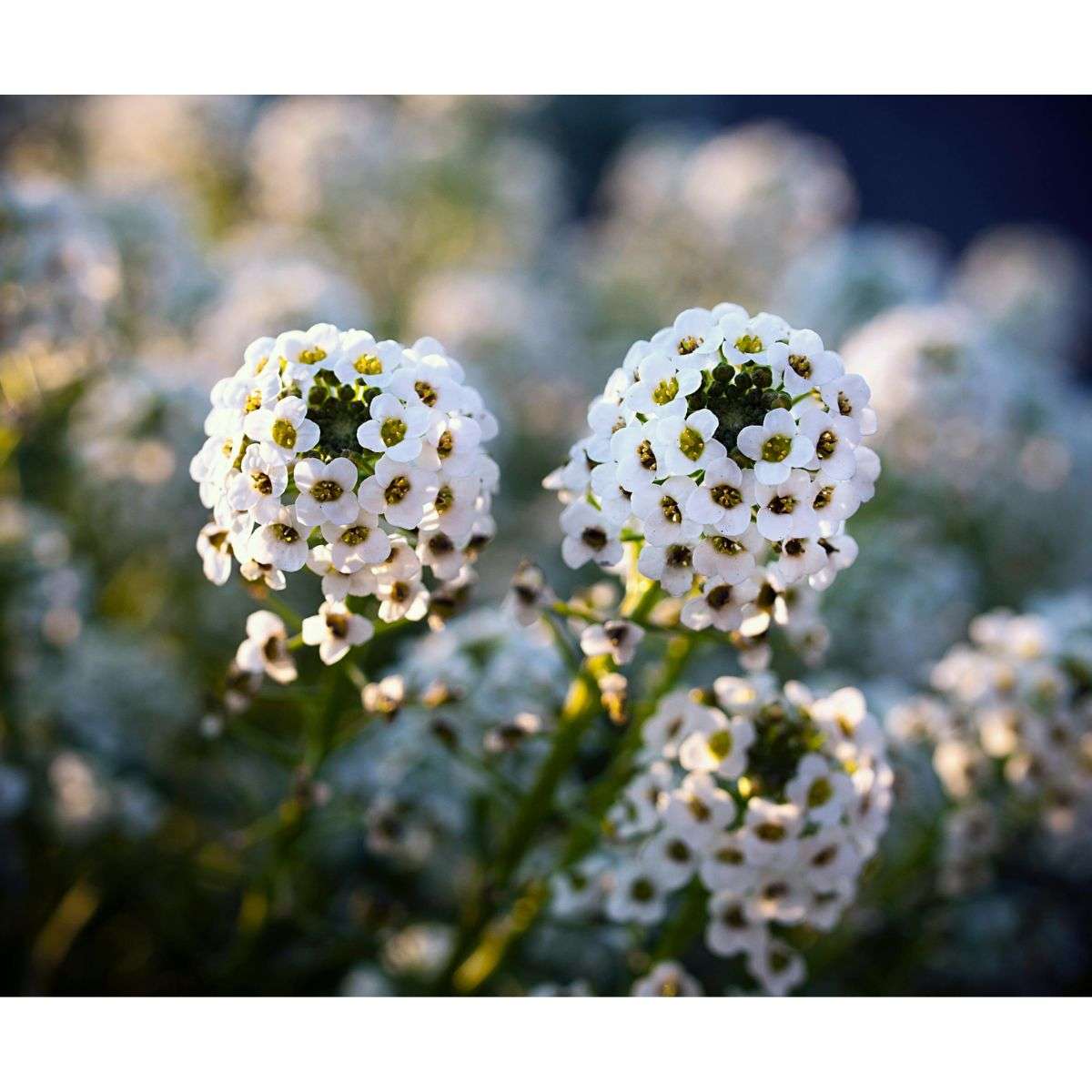
A To Z Guide how i Grow Alyssum from Seed
Alyssum Germination
A study published in Scientia Horticulturae (Volume 106, 2005) by researchers at the University of Almería, Spain — “Seed germination of Lobularia maritima: effects of temperature, light, and seed priming” — documented three findings that directly change how you should start Alyssum seeds:
Finding 1: Optimal germination temperature is 15–20°C (59–68°F). At 25°C (77°F), germination dropped 28–35%. At 30°C (86°F), it dropped by more than 60%, and seeds entered thermodormancy — a heat-induced dormancy that is difficult to reverse. This means heat mats set to 75–80°F — standard for most bedding plants — actively suppress alyssum germination.
Finding 2: Alyssum seeds need light to germinate. Seeds kept in darkness showed 15–22% lower germination than those exposed to light. Surface sowing is not optional — it’s biologically required.
Finding 3: Hydropriming (soaking seeds in water for 12–24 hours before sowing) improved germination speed by 2–4 days and significantly improved uniformity, especially in cooler soil conditions.
These three findings explain why most indoor alyssum starts fail — wrong temperature, seeds covered, and no priming. Fix all three, and results improve dramatically.
What is the best time to grow Alyssum?
Alyssum is a cool-season annual. It grows and blooms in spring and fall. It stalls or pauses in the summer heat. Growing it like a warm-season annual — starting in warm conditions, planting after soil has warmed significantly — produces poor germination and weak plants right when you want peak bloom.
Spring sowing (Zones 5–7): Direct sow outdoors 4–6 weeks before the last frost. Alyssum seeds germinate in cool soil (45–55°F is fine) and seedlings tolerate light frost. Or start 6–8 weeks before the last frost at cool room temperatures (60–65°F) — no heat mat.
Fall sowing (Zones 5–7): Direct sow in late August to early September for fall bloom through frost. In Zone 7, fall-sown alyssum often overwinters as rosettes and blooms early the following spring.
Warm climates (Zones 8–10): Treat as a winter annual. Sow September through November for cool-season bloom from October through April. Alyssum declines with summer heat in these climates — plan for it.
Zones 3–4: Direct sow as soon as the soil can be worked in spring, even before the last frost. The cool conditions are ideal.
Seed Selection and Storage
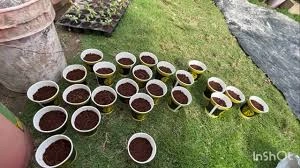
Open-Pollinated vs. F1 Hybrid
Most alyssum cultivars — including ‘Carpet of Snow’, ‘Royal Carpet’, ‘Rosie O’Day’, ‘Snow Crystals’ — are open-pollinated. They come true from seed, can be saved and replanted, and show excellent germination rates at lower cost.
F1 hybrid alyssum (primarily ‘Wonderland’ and ‘Clear Crystal’ series) shows improved uniformity and better heat tolerance, but costs more and doesn’t reproduce true from saved seed.
For home gardens: open-pollinated varieties are completely adequate. For commercial production where uniformity matters: F1 hybrids justify the cost.
Freshness and Viability
Fresh seed (within 12 months): 75–85% germination under good conditions. Two-year-old properly stored seed: 60–75%. Three-year-old seed: unreliable.
Alyssum seeds contain high levels of erucic acid (a fatty acid characteristic of the Brassicaceae family) that oxidizes over time and degrades viability faster than many other annuals. This makes proper cool storage especially critical.
Storage: Sealed airtight container with silica gel desiccant, refrigerator vegetable crisper at 38–42°F. Fatty acid oxidation accelerates dramatically above 65°F — warm storage destroys alyssum seed faster than almost any other common bedding annual.
How to Prepare Soil for Alyssum
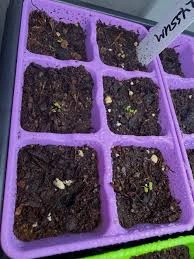
Learn how good soil produces more flowers.
Lobularia maritima evolved in rocky coastal ground with minimal organic content and excellent drainage. In lean, low-fertility soil, it allocates resources to flower production. In rich, nitrogen-heavy soil, it produces vigorous leafy growth at the expense of blooms.
What alyssum needs from soil:
- Excellent drainage — non-negotiable. Alyssum in waterlogged conditions develops root rot (Pythium species) and crown rot (Sclerotinia sclerotiorum) quickly, particularly in cool,l wet spring conditions
- pH 6.0–7.0 — standard neutral range; alyssum is not pH-sensitive within this range
- Low to moderate fertility — low nitrogen, moderate phosphorus
- Light texture — sandy loam or loam drains and warms faster than clay
If the soil is clay-heavy, work in coarse grit and perlite rather than organic matter. Organic matter improves water retention — the opposite of what Alyssum needs.
For Indoor Starting
Mix: 2 parts commercial seed-starting mix, 1 part coarse perlite. Lighter and faster-draining than standard mixes. Alyssum seedlings in overly moisture-retentive medium develop damping-off more readily than most cool-season plants.
Do not add slow-release fertilizer. Basic seed-starting mix provides adequate nutrition for the germination and early seedling phase without the nutrient load that encourages soft vegetative growth.
How to Sow Alyssum Seeds
Surface Sowing Is Required
Based on the Almería research, Alyssum seeds need light to germinate reliably. Surface sow — press seeds against the moist medium surface without covering with soil or vermiculite.
Pour seeds from the packet into the fold of a white paper (the white background helps you see the tiny seeds), tap gently to distribute across the moistened medium surface, then press lightly with a flat piece of cardboard or glass to establish seed-to-medium contact. Contact is critical — seeds floating on the surface without moisture contact don’t imbibe water and don’t germinate.
If covering is used at all in outdoor direct sowing, the absolute minimum dusting of fine vermiculite — enough to retain some surface moisture in dry conditions, not enough to meaningfully block light.
Hydropriming: Simple and Worth Doing
Before sowing, soak seeds in room-temperature water for 12–24 hours. No longer — extended soaking depletes oxygen and can damage the embryo.
After soaking, drain through a fine mesh strainer. Spread seeds on a paper towel for 30 minutes to surface-dry — wet seeds clump and sow unevenly. Plant immediately. Primed seeds cannot be stored after soaking.
This technique is free, takes 24 hours of passive time, and consistently improves germination by 2–4 days. It’s especially valuable for early spring sowings in cooler-than-optimal soil.
Direct Sowing Outdoors
Prepare a fine, raked seedbed. Broadcast seeds thinly or sow in rows. Press seeds gently against the soil surface with a flat board or the back of a rake — contact without burial. For large areas, mix seeds with dry sand at a 1:10 ratio (seeds to sand) and broadcast the mixture — the sand distributes the tiny seeds thinly and evenly.
Water immediately after sowing with a very fine mist. Gentle misting settles seeds into soil contact without burying or washing them away.
Depth and Spacing
- Depth: Surface only, or maximum ⅛ inch (3mm) fine vermiculite cover
- Spacing for solid coverage: 6 inches apart — plants merge and fill gaps by peak bloom
- Spacing for borders with good airflow: 8–10 inches apart
- Container spacing: one plant per 4–6 inches of container diameter
Temperature Management
The Germination Zone
Target soil temperature: 59–68°F (15–20°C). This is the Mediterranean coastal spring temperature range Alyssum’s biology is calibrated for.
Do not use a heat mat. Standard heat mat temperatures of 75–80°F are in the range where germination decreases 28–35% compared to the cooler optimum. A cool room at 60–65°F is ideal for indoor alyssum germination — a spare bedroom, a north-facing room, or a spot away from heating vents.
In outdoor direct sowing, alyssum germinates in soil as cool as 45–50°F — just more slowly. At 60°F soil temperature: 7–14 days to germination. At 70°F: 5–10 days. At 80°F, germination becomes erratic.
Thermodormancy — The Heat Problem
When soil temperature exceeds 30°C (86°F), alyssum seeds enter thermodormancy — a heat-induced dormancy that prevents germination until temperatures drop. This is why Alyssum direct-sown in warm late-spring conditions produces nothing for weeks.
If you suspect thermodormancy in direct-sown seeds (soil above 80°F, no germination after two weeks), shade the soil surface and water lightly each evening to cool it. As soil temperature drops, germination typically resumes within days.
After Germination
Keep seedlings growing temperatures at 55–65°F (13–18°C). Above 70°F, growth is faster but produces more open, less compact plants. Above 80°F, seedlings become heat-stressed, and bloom initiation is suppressed. This is fundamentally different from warm-season annuals — alyssum wants cool conditions not just at germination but throughout the seedling phase.
How to Grow Geranium from Seed
How to Grow Begonia from Seed?
How to Grow Vinca Flowers from Seed
Watering Through Each Stage
Germination Phase
Cover tray with a clear dome — alyssum needs light, so clear is correct. Check every two to three days. Mist if the surface appears dry. Even during germination, prop the dome slightly on one side for minimal air exchange — cool, still air builds up moisture faster than warm-air setups, and even minor air exchange reduces early fungal pressure.
After Germination — Act Fast on Airflow
Transition from dome to open airflow over three to five days — faster than the transition for warm-season annuals. Cool, still, moist air around emerging alyssum seedlings creates a high-risk environment for damping-off (Pythium ultimum and Rhizoctonia solani). A fan on the lowest setting, a few feet from the tray, running several hours daily, should begin within three to five days of seedling emergence.
Switch immediately to bottom watering when the dome comes off. Set tray in a shallow dish of water for 15 minutes, remove and drain completely. Allow the top ¼ inch to dry before the next watering. Alyssum seedlings in consistently wet surface conditions develop crown rot at the soil line — a different pathogen (Sclerotinia sclerotiorum) from the damping-off complex, but equally fatal.
Established Seedlings and Plants
Once established outdoors, alyssum handles brief dry periods reasonably well. In containers, it dries faster and needs checking every other day in warm conditions.
The drought-heat interaction is important to understand: combined heat stress and drought stress trigger alyssum’s self-protective response — plants stop blooming and appear to stall. This is not death. Maintain consistent moisture during heat events, and Alyssum rebounds into bloom when temperatures moderate.
Light Requirements
During Germination
Alyssum seeds need light — use a clear dome and place under grow lights at 6–8 inches above the medium surface during germination. The slightly greater distance (compared to the 4–6 inches used for seedling growth) prevents the fixture’s heat from raising soil temperature above the optimal 59–68°F germination range.
Run grow lights 12–14 hours per day — shorter than the 14–16 hours used for tropical plants because alyssum is calibrated to Mediterranean spring day lengths.
For Established Plants
Alyssum blooms best in full sun to light shade. In full sun: compact plants, dense bloom, strongest fragrance. In light shade (2–4 hours of direct sun): slightly more open habit, adequate bloom, better summer persistence in hot climates where shade reduces heat stress.
In Zone 8 and above, light afternoon shade genuinely extends alyssum through the hottest months. A position receiving morning sun and afternoon shade maintains better bloom continuity than full-day sun in hot climates.
How to Grow Kalanchoe Flowers from Seeds?
How to Grow Peace Lily from Seed?
How to Grow Anthurium from Seed
How to Grow Impatiens Flowers from Seed
Feeding Alyssum
Keep It Lean
Alyssum in lean native coastal soil produces maximum flowers because nutrient poverty shifts energy toward reproduction. On average, unamended garden soil, alyssum blooms prolifically with no added fertilization. In richly amended, nitrogen-heavy soil, it produces lush growth at the expense of flowers.
Seedling phase (weeks 1–4): No feeding. Seed-starting mix provides adequate nutrition.
Active growth phase (weeks 4–8): Balanced liquid fertilizer (10-10-10) at 15–20% of the labeled rate, every two weeks. Lower than most annuals — Alyssum’s fine roots are sensitive to fertilizer salt accumulation in cool soil, where microbial activity that breaks down fertilizer is slower.
Bloom phase: Shift to phosphorus-forward fertilizer (5-10-5). Phosphorus supports flower production. Continued nitrogen feeding during bloom reduces flower density.
Container alyssum: Slightly more frequent — every 10–14 days with dilute liquid bloom fertilizer. Containers flush nutrients faster than garden beds.
Transplanting
Readiness Markers
Alyssum is transplant-ready when it shows:
- Three to four pairs of true leaves — the oval, slightly grey-green leaves with characteristic Brassicaceae texture
- A compact, slightly branched plant 2–3 inches tall
- A root ball that holds together when removed from the cell
This occurs 5–6 weeks after germination — faster than most bedding annuals because Alyssum grows quickly in cool conditions. Don’t wait for larger plants — transplanting at this stage gives the best establishment.
Frost Tolerance: The Practical Advantage
Alyssum transplants tolerate light frost down to approximately 28–30°F (-2°C) without damage. This means it can go into the garden 2–4 weeks before the last frost — ahead of frost-sensitive annuals. Early planting in cool soil gives alyssum the cool-season establishment period it evolved for and produces better plants than waiting for warm conditions.
In Zone 7 and above: outdoor planting in March is generally safe for established transplants. In Zone 6: early to mid-April.
Hardening Off
Alyssum requires minimal hardening off compared to warm-season annuals — it moves from cool indoor conditions to cool outdoor conditions, so the temperature transition is mild. A brief 3–5 day hardening period (a few hours outdoors in sheltered conditions before full exposure) is adequate.
The Summer Pause and Fall Rebloom
What Happens and Why
In climates where summer temperatures regularly exceed 80°F (27°C), alyssum stops blooming in midsummer, becomes sparse, and looks tired. First-time growers often conclude the plants are dying.
They’re not. They’re entering estivation — a warm-season dormancy equivalent to winter dormancy of cold-climate perennials. Attempting to force bloom through heat stress with extra water and fertilizer doesn’t work and increases disease risk.
The correct response:
- Accept the summer pause as normal
- Cut plants back by one-half when bloom significantly declines — removes spent material, opens interior to airflow.
- Maintain moderate moisture without overwatering
- Wait for temperatures to drop below 75°F
When temperatures moderate in late August through September, alyssum resumes growth and blooms with a fall flush that often exceeds the spring display — the plants are now well-established with a stronger root system than spring seedlings had.
Managing Heat in Warm Climates
- ‘Wonderland series’ — best heat tolerance, extends bloom into temperatures where standard varieties stall
- ‘Clear Crystal series’ — maintains color better in heat, resists fading
- Afternoon shade positioning — moves the plant out of peak heat and extends bloom continuity more than variety selection alone
How to Grow Portulaca from Seed
How to Grow Chrysanthemums from Seed
How to Grow Calibrachoa from Seed
How to grow Alyssum in Containers
Why Containers Work Well
Container growing lets you move alyssum to optimal positions as seasons change — full sun in spring and fall, light shade in midsummer. The trailing varieties (‘Aphrodite’, ‘Carpet of Snow’) cascade naturally from containers and hanging baskets.
Container Requirements
- Minimum 8-inch diameter for a single plant; 10–12 inches for a fuller display
- Drainage holes — every container, functional and unblocked. Container alyssum is more prone to crown rot than in-ground plants because moisture builds around the crown faster.
- Light, gritty potting mix — standard potting mix amended with 20–30% perlite. Pure potting soil without amendment is too moisture-retentive
- Terracotta over plastic in hot climates — terracotta wicks moisture and cools the root zone; plastic heats the root zone in full sun, compounding heat stress
What are the most common problems for Alyssum?
Seeds not germinating: Check soil temperature first — above 75°F suppresses alyssum germination. Move to a cooler location (60–65°F). No heat mat. Verify seeds are surface-sown without covering. Check seed age — beyond two years, viability drops sharply.
Slow or uneven germination: Hydropriming before the next sowing (12–24 hours in room-temperature water, drain, surface-dry, sow immediately) improves speed and uniformity. Also, verify soil temperature is in the 59–68°F optimal range.
Damping-off in young seedlings: Pythium ultimum and Rhizoctonia solani. Remove affected plants, let the medium dry to ¼ inch, and increase airflow immediately. Transition from dome to open fan airflow faster than planned. Bottom water is only going forward. Sterilize containers and use fresh medium for the next attempt.
Plants not blooming: Three causes in order of frequency: too much nitrogen (switch to 5-10-5 phosphorus-forward fertilizer), heat stress (provide afternoon shade, wait for cooler temperatures), insufficient light (fewer than four hours direct sun per day significantly reduces bloom density).
Yellow lower leaves: Overwatering or poor drainage in most cases — check drainage, allow soil to dry more between waterings. If roots show swollen, club-shaped galls when examined, clubroot (Plasmodiophora brassicae) — a Brassicaceae-specific soil pathogen with no cure. Remove and destroy affected plants. Do not compost. Raise soil pH to 7.2+ with lime to reduce severity. Avoid planting any Brassicaceae family plant in that location for several years.
Yellow tissue with green veins (interveinal chlorosis): Iron chlorosis from a pH above 7.5. Lower pH with elemental sulfur or iron sulfate, apply a chelated iron foliar spray for immediate correction.
Powdery mildew: Erysiphe species in humid conditions with poor airflow, typically in overcrowded plantings. Adequate spacing (8–10 inches) prevents most cases. Remove affected leaves, thin crowded plants, and apply potassium bicarbonate spray at the first sign.
15 Low-Maintenance Flowers That Bloom All Year in Pots
How to Save Alyssum Seed
Allow some plants to set seed at season’s end — don’t deadhead everything. The silicles (the Brassicaceae family’s short, flat seed pods — distinct from the elongated siliques of mustard and arugula) mature from green to papery tan through late summer and fall. When pods rattle when shaken, they’re ready.
Cut stem sections with mature pods into a paper bag, and shake vigorously. The tiny seeds separate easily from papery pods. Spread on white paper for 48 hours to ensure complete drying, then seal in a container with silica gel desiccant in the refrigerator.
From mixed-color plantings: alyssum cross-pollinates freely between colors. Saved seed from a mixed border produces seedlings in unpredictable color combinations — often interesting, rarely matching a specific parent. For color-specific seed saving, grow varieties in isolation.
In the garden: Allow some plants to scatter seed naturally in fall. Self-sown seedlings appear in early spring before almost anything else in the garden is growing. In established borders, this self-seeding cycle makes Alyssum essentially self-maintaining once a population is established.
2 thoughts on “How to Grow Alyssum from Seed”