Low-Maintenance Flowers That Bloom All Year in Pots for Easy Container Gardening
Last summer, I counted how many days in a row I forgot to water my patio containers. Nine days. It was hot too—mid-90s most of that week. When I finally remembered, I walked out expecting everything to be crispy and dead.
The petunias looked a little sad. The geraniums didn’t even seem to notice. The portulaca was still blooming as if nothing had happened.
That’s when I stopped feeling guilty about not being a perfect gardener and started paying attention to which plants actually tolerate real life. Not the life where you’re out there every morning checking soil moisture and deadheading spent blooms. The life where sometimes you forget, or you’re busy, or you just don’t feel like it.
These fifteen flowers have survived my inconsistent care, weird watering schedules, and general lack of attention. They bloom for months—some of them pretty much year-round if you bring them inside before frost. And they don’t punish you when you mess up.
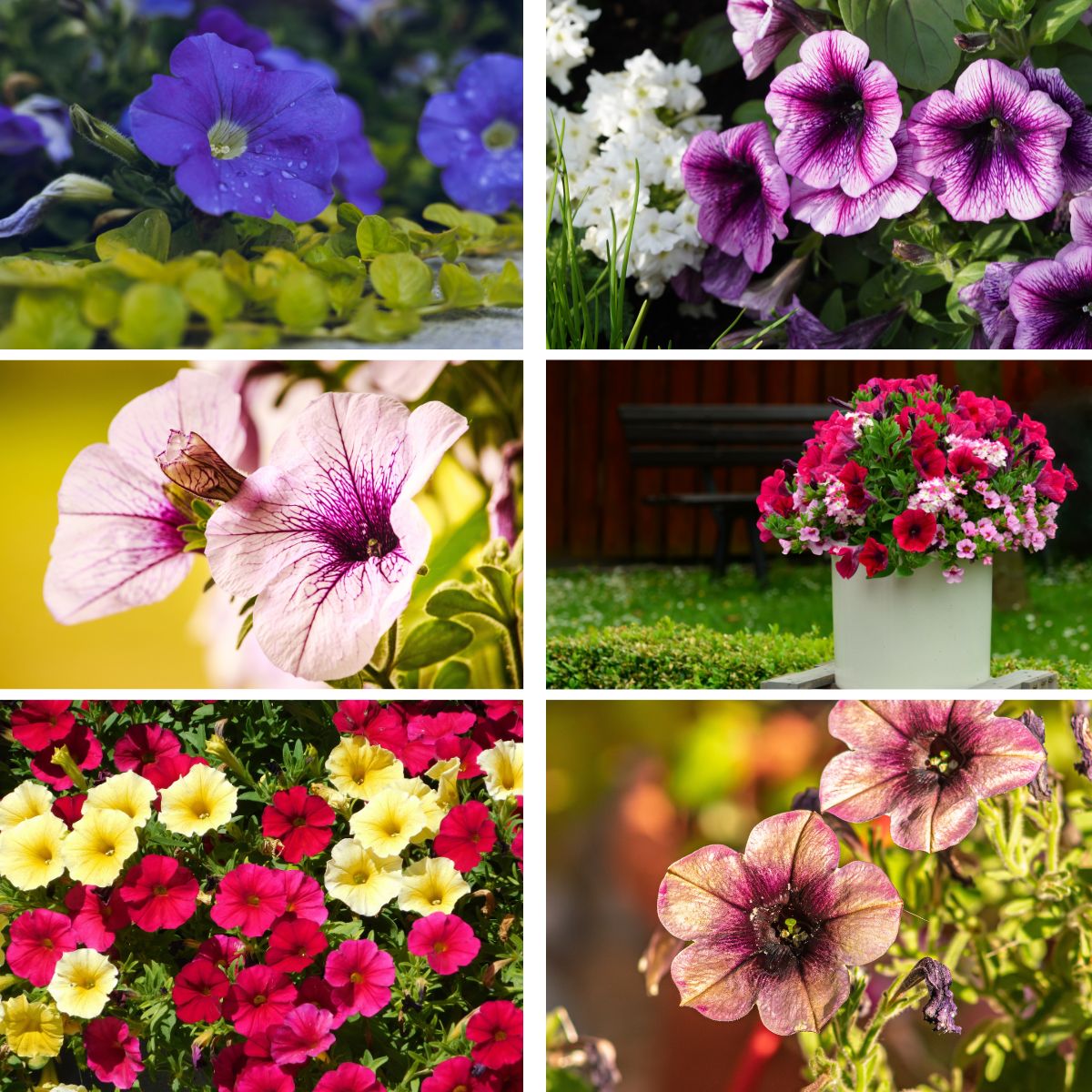
Petunias
Petunias get dismissed as basic. Every gas station sells them in the spring. They’re so common that people assume they’re boring.
But there’s a reason they’re everywhere—they work. I’ve had the same Wave petunia variety blooming in containers since March. It’s October now. Same plants, still producing flowers.
Why They Keep Going
Petunias are basically flower machines. They want to make seeds, which means they keep pushing out new blooms to attract pollinators. In containers where they can’t spread their roots far, they bloom even more aggressively.
The newer varieties, like Supertunias or Wave petunias, are different from the old-school ones. They branch better, fill containers faster, and bloom heavier. I stopped buying the cheap ones and started spending an extra dollar per plant on the improved varieties. Total difference.
What Actually Kills Them
Overwatering, mostly. Petunias rot if they sit in soggy soil. I learned this by killing an entire flat of them in my first year. Thought I was being helpful watering every day. Wasn’t.
Now I wait until they look slightly wilted before watering. Sounds counterintuitive, but they bounce back fast and bloom better when they dry out between watering.
They also get leggy by mid-summer. Just cut them back by half. They’ll look terrible for about a week, then come back bushier than before.
Full sun is non-negotiable. I’ve tried growing petunias in partial shade. They survive but barely bloom. Not worth the container space.
Geraniums
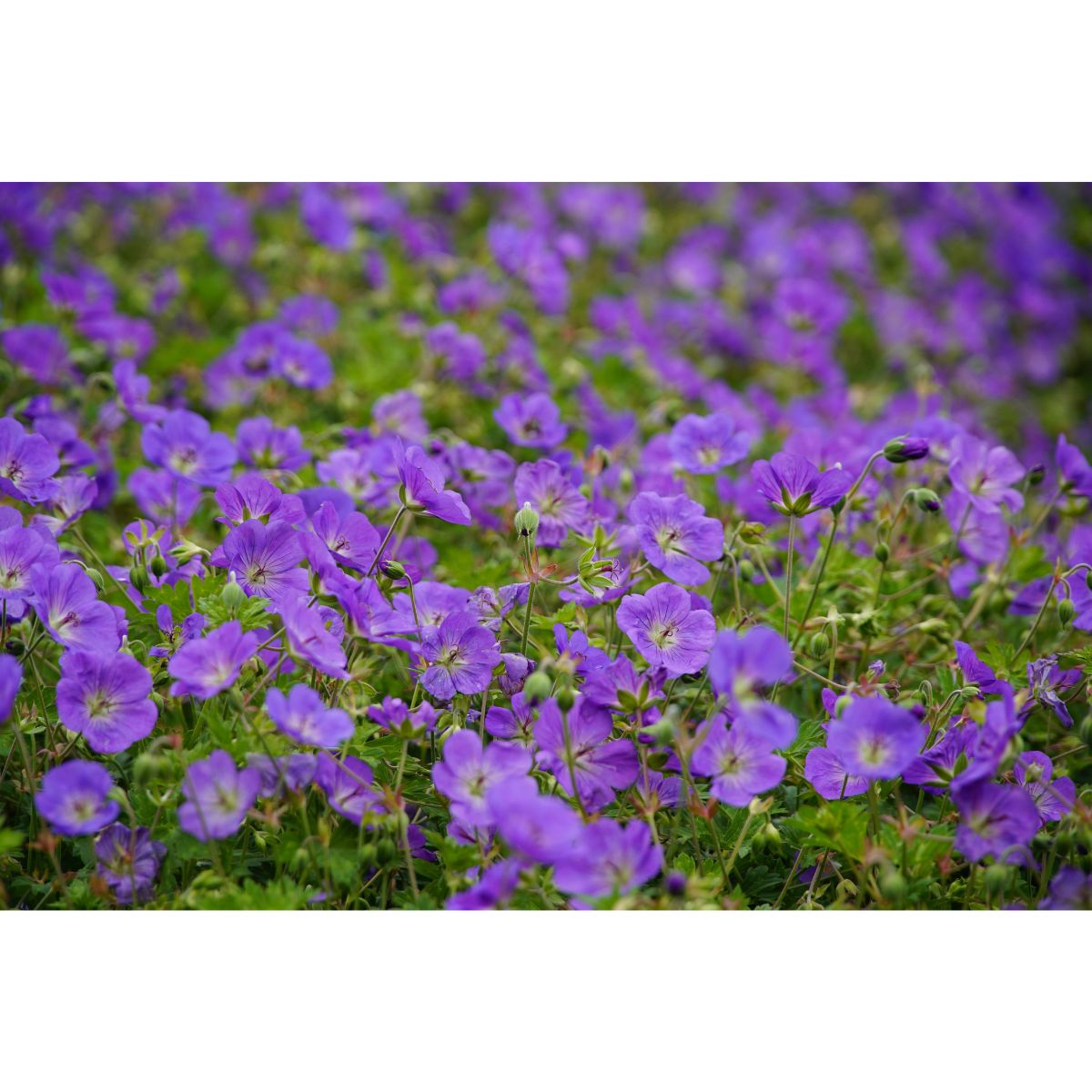
My grandmother had geraniums in pots on her porch that were older than me. Same plants, year after year. She’d bring them inside in the fall, stick them in the basement, basically ignore them all winter, then bring them back out in spring. They’d bloom again as if nothing had happened.
I didn’t believe plants could be that easy until I tried it myself.
The Zonal Geranium vs Ivy Geranium Thing
Zonal geraniums are the upright ones with the dark horseshoe marking on the leaves. These are the classic porch geraniums. They grow bushy and produce those big, round flower clusters.
Ivy geraniums trail and cascade. Better for hanging baskets. Slightly more finicky about water, but still pretty tough.
I grow both. The zonals in regular pots, the ivy types in hanging baskets. Both bloom from spring through fall with basically zero maintenance.
Drought Tolerance Is Real
Geraniums store water in their thick stems. This is why they can handle neglect. I’ve gone two weeks without watering mine in the summer heat. They looked rough, but they didn’t die. Watered them, they perked up, kept blooming.
Not saying you should do this on purpose. Just saying they’re forgiving if life gets in the way.
They don’t need much fertilizer either. I feed mine maybe once a month with diluted liquid fertilizer. That’s it. More than that, and you get lots of leaves but fewer flowers.
Begonias
Most flowering plants want full sun. Begonias are the exception. They actually prefer shade or partial sun. This makes them perfect for covered patios, porches, and balconies that don’t get direct light.
I’ve got begonias blooming on my north-facing porch where nothing else will flower. They’ve been going since May.
Wax Begonias vs Rex Begonias
Wax begonias are the ones with small, waxy leaves and constant clusters of pink, white, or red flowers. These are the easiest. Almost unkillable. I’ve seen them thriving in gas station planters that clearly never get maintained.
Rex begonias are grown more for their leaves than for their flowers. The foliage is wild—metallic colors, patterns, textures. They do flower, but it’s subtle. I grow these indoors mostly.
Tuberous begonias have bigger, showier flowers, but they’re more work. Tubers have to be dug up and stored over winter. I tried this once, and half of them rotted in storage. Stick with wax begonias unless you want a project.
They’re Basically Set-It-And-Forget-It
Begonias in containers need very little attention. Morning sun or filtered light all day. Water the soil surface when it is dry. They’ll tell you when they need water by wilting slightly. Water them, and they bounce back in an hour.
They don’t need deadheading. The spent flowers drop off on their own. This is huge for low-maintenance growing.
Indoor begonias bloom year-round if they get bright indirect light. Mine sit in east-facing windows and flower continuously.
Vinca (Periwinkle)
When everything else is struggling in the July heat, Vinca is thriving. This plant was made for hot weather.
I didn’t appreciate Vinca until we had a heat wave—two weeks straight over 95 degrees. Most of my containers looked stressed. The Vinca looked better than it had all season. Blooms everywhere, deep green leaves, no wilting.
Annual vs Perennial Vinca
Annual vinca (Catharanthus roseus) is what you want for containers. Sometimes called Madagascar periwinkle. Comes in pink, white, red, and purple. Flowers have that distinctive pinwheel shape with a contrasting eye in the center.
Perennial vinca (Vinca minor) is a ground cover. Different plant entirely. It spreads aggressively. Don’t put that in containers unless you want it to take over.
Why It Works in Brutal Conditions
Vinca has thick, waxy leaves that resist moisture loss. The roots tolerate heat better than most annuals. It actually blooms harder when it’s hot.
I barely water my vinca compared to other containers. Maybe every three days in peak summer. It’s fine. Overwatering causes more problems than underwatering with this plant.
No deadheading needed. Flowers drop cleanly when spent. No fertilizer necessary beyond what’s already in the potting soil. Plant it, water occasionally, and watch it bloom for months.
The only thing that stops Vinca is cold. Once temps drop below 50°F at night, growth slows. Below 40°F, it starts dying. I’ve tried bringing vinca inside—it doesn’t work well. Just treat it as a warm-season annual.
Kalanchoe
Kalanchoe is sold as a gift plant around the holidays. Most people enjoy the flowers for a few weeks, then throw them away when they’re done blooming.
I kept one. Put it in a sunny window. Six months later, it bloomed again. Then again. It’s been three years. Same plant, blooms 3-4 times a year.
Succulent = Low Water Needs
The thick leaves store water. This is a desert plant. It wants to dry out completely between watering. I water mine maybe once every 10-14 days. Sometimes less.
Overwatering kills Kalanchoe fast. The stems rot at the base, and the whole plant collapses. I’ve done this. It’s not fixable. When in doubt, wait another few days before watering.
Getting It to Rebloom
Kalanchoe needs a rest period after flowering. Just stop fertilizing and reduce watering even more. After about 6-8 weeks, start feeding lightly again. New flower buds will form.
It also needs darkness to trigger blooming. In the fall, when days get shorter naturally, this happens automatically. If you want blooms at other times, you have to give it 12-14 hours of darkness daily for about a month. I’ve never bothered—I just let it bloom on its own schedule.
Bright light is critical. Without strong light, kalanchoe gets leggy and won’t flower. South or west-facing window indoors. Full sun outdoors in cooler weather (it can sunburn in intense summer heat).
10 Smart Ways to Save Water in the Garden
Peace Lily
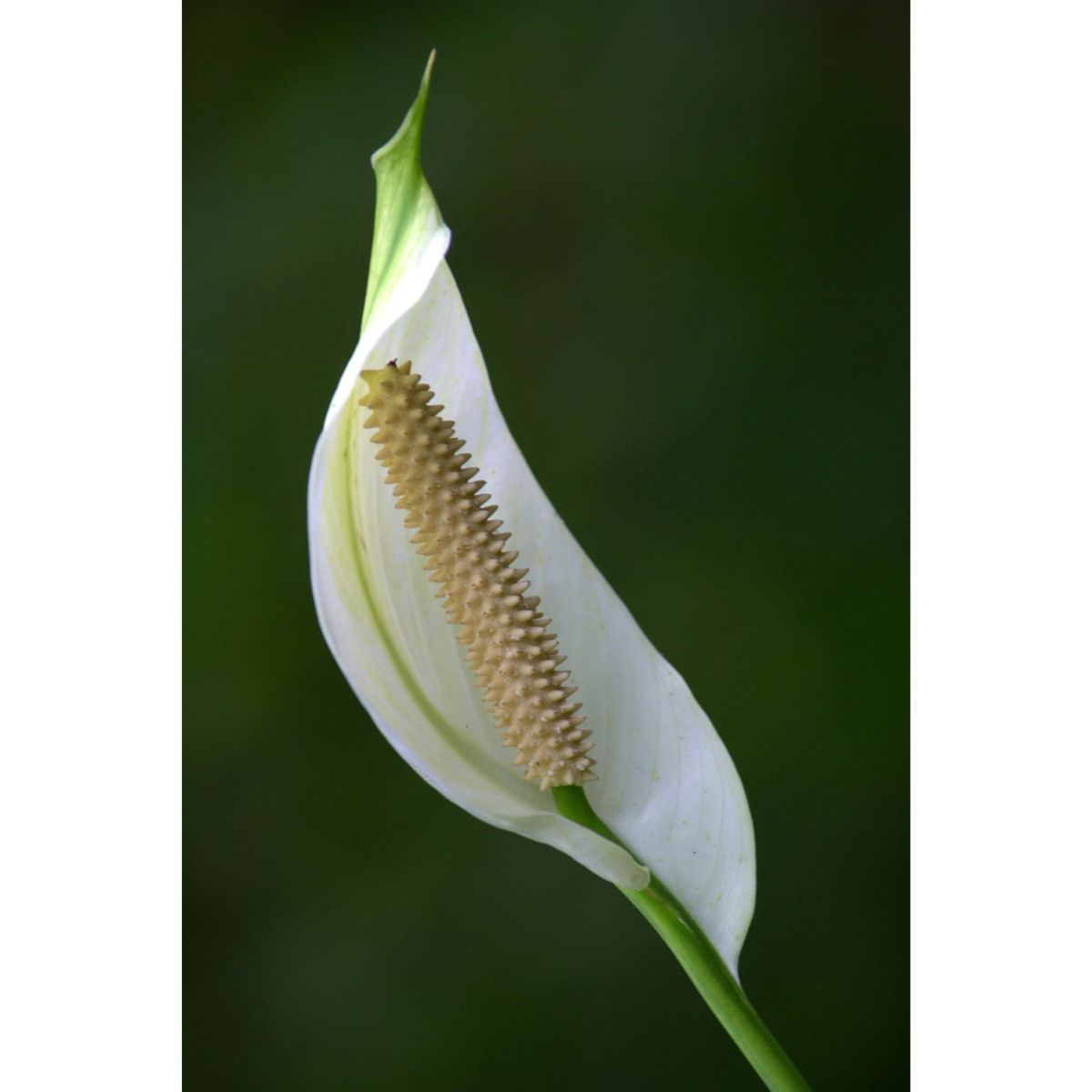
Peace lilies are sold as foliage plants, but they bloom constantly if conditions are right. Mine produces those white spathes (not true flowers, but close enough) pretty much year-round.
Thrives on Neglect
Peace lilies dramatically wilt when they need water. Then you water them, and within an hour they’re back to normal. It’s like a built-in watering indicator.
This makes them perfect for people who forget to water. The plant tells you exactly when it needs attention.
They grow in low light. Not no light—they still need some indirect light to bloom. But they’ll survive in offices with just fluorescent lighting. They won’t thrive, but they’ll survive.
For consistent blooming, give them bright indirect light. An east window works perfectly. They’ll push out new flowers every few weeks.
Air Purification Bonus
Peace lilies filter air pollutants. NASA studied this. They remove formaldehyde, benzene, and other volatile organic compounds from indoor air.
I don’t grow them specifically for air purification. But it’s a nice side benefit for a plant that’s already easy and blooms reliably.
They’re toxic to pets, though. Keep them away from cats and dogs who like to chew plants.
Anthurium
Anthurium blooms can last two to three months. One single flower. Just sitting there being red (or pink, or white) for months.
I thought this was an exaggeration until I tagged a flower when it opened. Watched it. That bloom lasted 11 weeks before it finally started fading.
Container Growing Is Perfect for Them
Anthuriums are epiphytes in nature. They grow on trees, not in soil. Their roots like air movement and fast drainage.
In containers, you can create that environment easily. I use a mix that’s about 50% orchid bark, 30% peat, 20% perlite. Incredibly chunky and loose. Water drains through in seconds.
This loose mix means you have to water more frequently, but it prevents root rot, which is the main thing that kills anthuriums.
Bright Indirect Light
Direct sun burns the leaves. But too little light and it won’t bloom. I keep mine about six feet from a south window. Gets lots of light but no direct sun.
They bloom year-round in good conditions. Not constantly—maybe three or four flowers at a time on a mature plant. But those flowers last so long that there’s almost always something blooming.
Humidity helps, but isn’t required. Mine live in a normal household with humidity and do fine. They’d probably do better with higher humidity, but they’re not demanding about it.
12 Reasons Why My Flowering Plants Aren’t Blooming – Fix It
Best Flower Plants for Every Season: Complete Guide
Impatiens
Before I had a shaded porch, I didn’t understand the point of impatiens. Then I moved somewhere with a covered patio, and suddenly impatiens made sense.
They bloom in shade. Not just tolerate shade—they actually bloom better in shade than in sun.
New Guinea vs Standard Impatiens
Standard impatiens (Impatiens walleriana) are the small ones. They come in every color. Plant them in spring, and they bloom until frost. In shade. It’s ridiculous how much they flower.
New Guinea impatiens are larger plants with bigger flowers and often variegated leaves. They tolerate more sun than standard impatiens. I grow these in spots that get morning sun and afternoon shade.
Both types need consistent moisture. This is the one high-maintenance requirement. Let them dry out, and they wilt fast. Keep wilting the m, and they stop flowering.
I check impatiens daily in summer. If the soil surface is dry, they get watered. Sometimes that means watering every day. It’s the price you pay for shade-loving flowers.
Self-Cleaning
Impatiens drop their spent flowers on their own. No deadheading required. This saves so much time when you’ve got a dozen containers going.
They also reseed readily. I get volunteer impatiens popping up in unexpected places every spring. Free plants from the previous year’s flowers.
Portulaca
I left for a two-week vacation in August. Didn’t arrange for anyone to water my plants. Came back to a disaster. Everything crispy and dead.
Except for the portulaca. It was blooming.
Built for Neglect
Portulaca is a succulent. Stores water in those thick, fleshy leaves and stems. It can go weeks without water in hot weather.
The flowers close at night and on cloudy days. Some people don’t like this. I think it’s fine—they’re open when you’re actually outside looking at them anyway.
Colors are insane. Bright pink, orange, yellow, red, white, striped combinations. The flowers look like tiny roses or carnations. Cheerful as hell.
Full sun is required. Portulaca in shade will survive but barely bloom. It needs heat and intense light to really perform.
Poor Soil Is Fine
Most flowering plants want rich, amended soil. Portulaca grows better in poor soil. Too much fertility and you get lots of foliage, fewer flowers.
I use straight potting mix with nothing added. It thrives.
Deadheading increases blooming, but it isn’t necessary. The plants keep flowering either way. I only deadhead if I’m bored and standing there anyway.
Reseeds aggressively. I get volunteer portulaca in the same containers year after year now. Haven’t bought new plants in three years.
Chrysanthemums
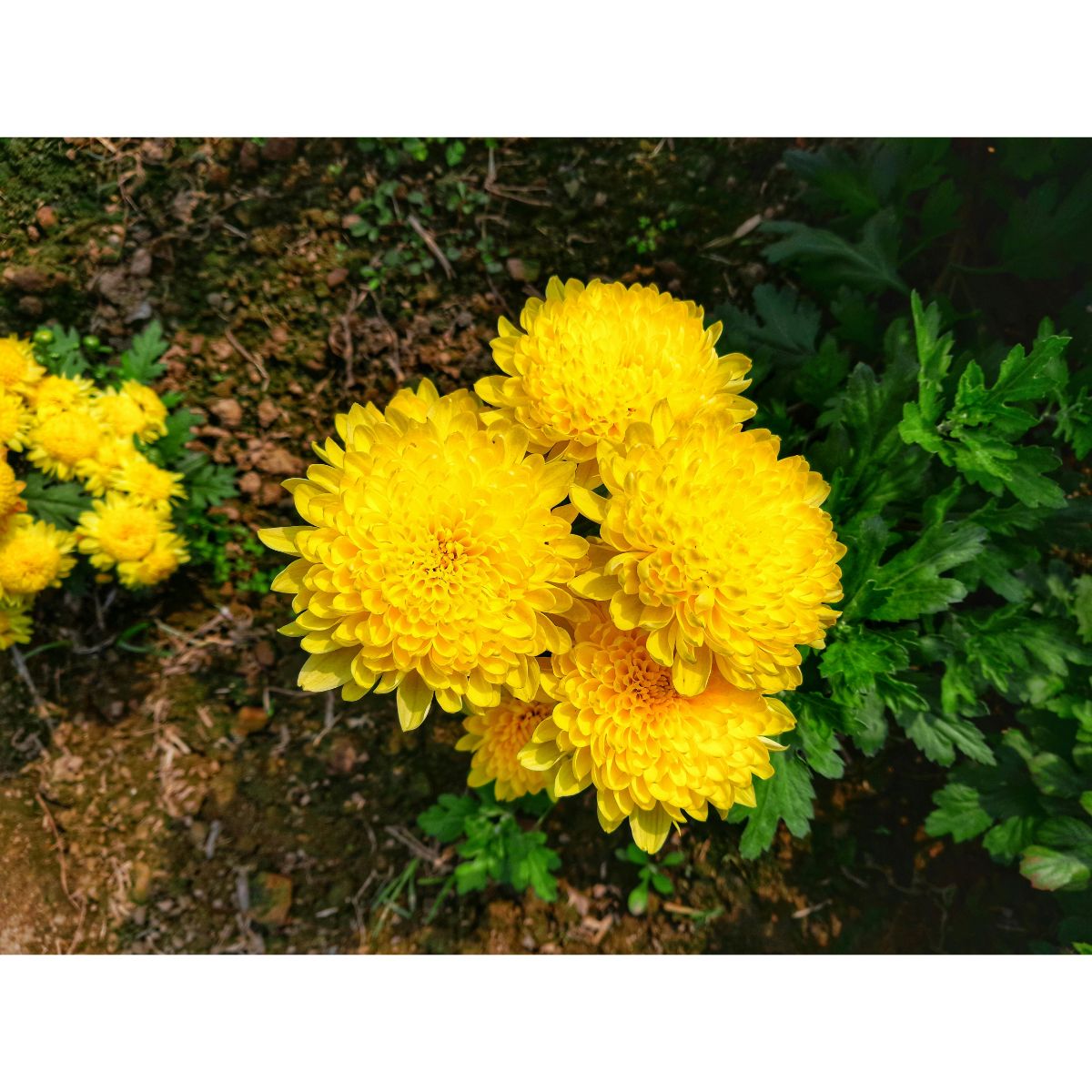
Mums are sold as disposable fall decor. Buy them blooming in September, enjoy them for a few weeks, toss them when they’re done.
But they’re actually perennial. And if you buy them earlier in the season—like July or August—before they’re fully in bloom, you can get months of flowers from one plant.
Garden Mums vs Florist Mums
Garden mums are hardy. They’ll survive winter in the ground in most climates (Zone 5+). In containers, they need protection, but they can come back.
Florist mums are bred for indoor decoration. They’re less hardy. These are the ones that are usually treated as annuals.
I buy garden mums and plant them in large containers. They bloom from late summer through fall. After frost kills the flowers, I cut them back and move the containers to my garage. In spring, they grow back.
Pinching for Bushier Plants
If you buy mums early, pinch off the tips every few weeks until mid-July. This makes them branch out and get bushier.
I skipped this because I’m lazy. My mum’s are less full, but they still bloom fine.
They need decent water. Not as much as impatiens but more than portulaca. I water when the top inch of soil is dry.
Sun requirements are flexible. Full sun is ideal,l but they’ll bloom in partial sun. I’ve got some on my east-facing patio that only gets morning sun. Still produce good flowers.
Calibrachoa
Calibrachoa looks like tiny petunias. Related plants. But calibrachoa doesn’t get as leggy and doesn’t need as much deadheading.
I grow these in hanging baskets mostly. They cascade beautifully and bloom nonstop from spring through fall.
More Compact Than Petunias
Calibrachoa naturally stays bushier. You don’t have to cut it back mid-season like petunias. It just keeps producing flowers on compact growth.
The flowers are smaller—maybe an inch across—but there are tons of them. A well-grown calibrachoa basket looks like a ball of flowers with some green mixed in.
Colors are excellent. Lots of unusual shades you don’t see in petunias. There’s a dark purple variety that’s almost black. Looks incredible.
Care Is Similar to Petunias
Full sun. Good drainage. Let it dry out slightly between watering. Feed regularly during the growing season—these are heavy bloomers, and they need nutrients to sustain that flower production.
I use slow-release fertilizer mixed into the potting soil at planting time, then supplement with liquid fertilizer every 2-3 weeks.
Calibrachoa is an annual in most climates. I’ve never successfully overwintered it. Just buy new plants each spring and enjoy them for the season.
Verbena
Verbena handles heat as well as vinca, but flowers in different colors and has a different growth habit.
I like the trailing verbena varieties for containers. They spill over the edges and bloom in clusters of small flowers.
Drought Tolerance Varies by Type
Annual verbena is fairly drought-tolerant once established. Perennial verbena is even tougher.
I grow a variety called Homestead Purple. It’s perennial in Zone 7+ and barely needs any water once the roots are established. In containers, I water it maybe twice a week in summer.
Other verbena varieties are less drought-tolerant but still handle heat well. They just need more consistent moisture.
Continuous Deadheading Helps
Unlike some of these other flowers, verbena benefits from deadheading. The spent flower clusters don’t drop cleanly. If you remove them, the plant produces new flowers faster.
I deadhead mine every week or so. Takes maybe five minutes per container. Worth it for the increased blooming.
Full sun is best. They’ll tolerate partial shade but bloom less. Fertilize monthly during active growth.
Lantana
Lantana is borderline weedy in warm climates. In containers, that aggressive growth habit becomes an asset. It fills pots fast and blooms relentlessly.
I have a lantana in a pot that I basically ignore. Water it when I remember. Never fertilize it. It’s still covered in flowers right now.
Heat and Drought Champion
Lantana thrives in conditions that stress other plants. Full sun, high heat, dry soil—it loves all of it.
The flowers are clusters of tiny blooms that often change color as they age. You’ll have yellow buds, orange mature flowers, and red old flowers all on the same cluster. It’s wild-looking in a good way.
Butterflies absolutely love lantana. If you want pollinators, plant this.
Slightly Toxic
The leaves and unripe berries are toxic. Not severely, but enough that you don’t want pets or kids eating them.
Hasn’t been an issue for me, but worth mentioning.
Lantana is perennial in frost-free climates. Annual everywhere else. I treat mine as annual—let frost kill it, plant new ones next spring.
If you want to try overwintering, cut it back hard in fall and bring it inside to a cool, bright room. It’ll go semi-dormant. Water occasionally. In spring, move it back outside, and it’ll start growing again.
Zinnia
Zinnias go from seed to flower in about 60 days. That’s fast.
I direct-seed zinnias in containers in May. By July, they’re blooming. They keep going until frost.
Easiest Flower from Seed
Most people buy flowering plants already started. Zinnias, you can just throw seeds in a pot, and they grow. No special treatment needed.
I scatter seeds on the soil surface, barely cover them, water, and wait. A week later, there are seedlings everywhere.
Thin them out so they’re not overcrowded. That’s it. They’ll bloom their heads off.
Colors are incredible. Every bright color imaginable. The dahlia-flowered varieties look like actual dahlias, but they’re way easier to grow.
Mildew Can Be a Problem
Zinnias get powdery mildew in humid conditions or when they’re overcrowded. The leaves get that white dusty coating.
This doesn’t kill them, but it’s ugly. Good spacing helps. Watering the soil without getting the leaves wet helps. Choosing mildew-resistant varieties helps most.
I’ve stopped fighting it. The flowers bloom fine even with mildew on the leaves. In containers where the plants aren’t permanent, I just tolerate it.
Cut flowers for arrangements. Zinnias are excellent cut flowers,s and cutting them makes the plants bloom more. Win-win.
11 Ways to Attract Bees and Butterflies Naturally
Best Pollinator-Friendly Plants for Backyard Gardens
Alyssum
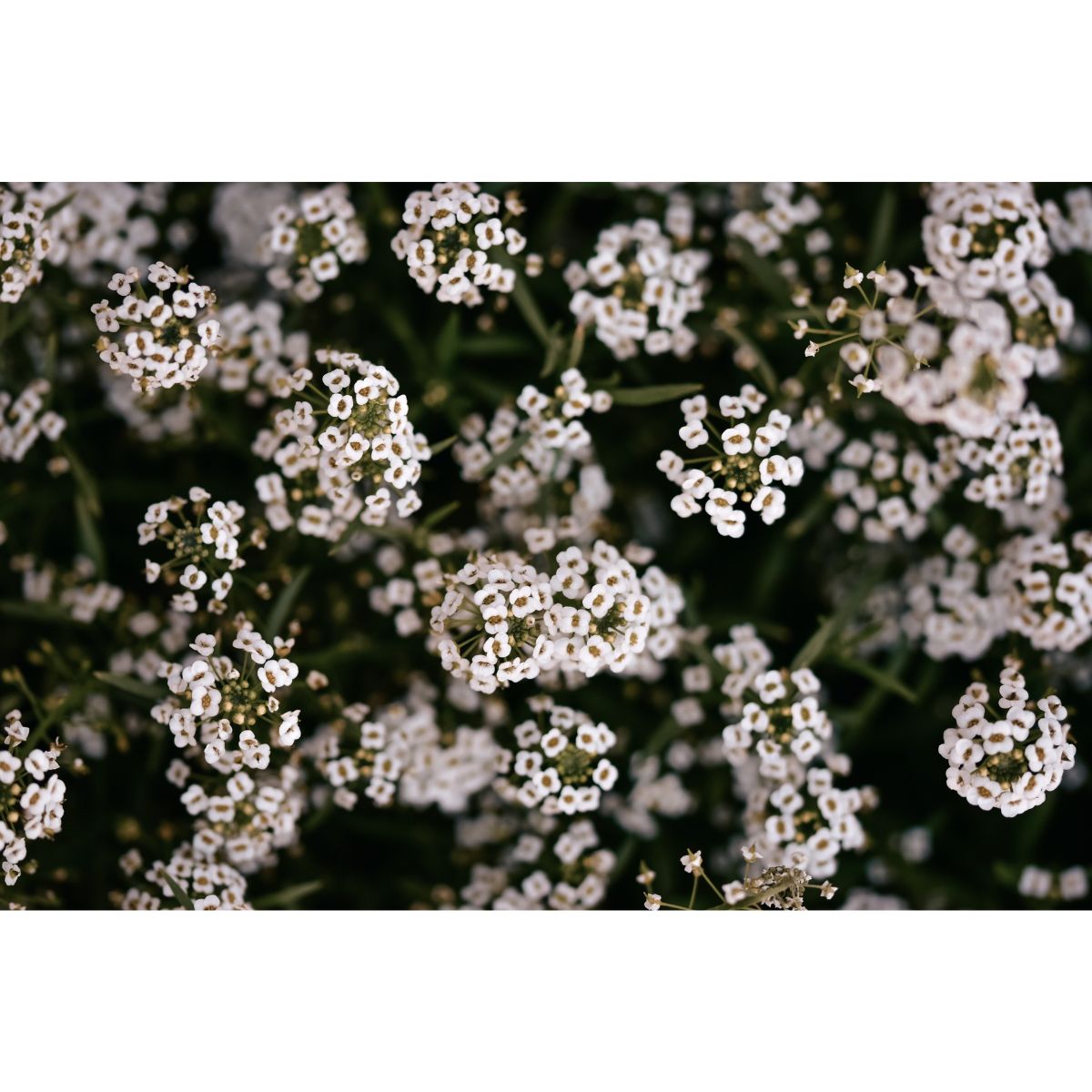
Sweet alyssum is tiny. Little white, pink, or purple flowers that smell like honey.
I use it as filler in mixed containers, but it’s also great on its own in small pots.
Blooms in Waves
Alyssum flowers heavily for a few weeks, then takes a break. If you shear it back by about half when blooming slows, it’ll come back and bloom again.
I get three or four bloom cycles per season this way.
It handles cool weather better than heat. In spring and fall, it’s at its best. In summer, it can struggle if it’s too hot. Partial shade helps in hot climates.
Seeds Everywhere
Alyssum reseeds aggressively. I have it popping up in every container, every crack in my patio, between paving stones.
I don’t mind. It’s easy to pull if it’s somewhere you don’t want it. And free flowers are free flowers.
Water regularly. Alyssum doesn’t handle drought well. Let it wilt a few times, and it’ll give up and die.
But if you water it consistently, it’s basically indestructible otherwise.
What Actually Goes Wrong
After years of container gardening, the same problems keep coming up.
Not Enough Sun
This is the number one reason flowering plants don’t bloom. You can do everything else right, but without adequate sun, most flowers won’t produce.
I’ve tried forcing sun-loving plants to bloom in shade. Waste of time. Either move the container to a more sunny location or grow different plants.
Six hours minimum for most flowering plants. More is better for things like petunias, portulaca, and zinnias.
Begonias and impatiens are the exceptions. They bloom in shade or partial shade. Everything else assumes it needs sun unless specifically stated otherwise.
Nutrient Depletion
Container soil runs out of nutrients faster than garden soil. Plants feed from a limited volume, and they use up what’s available.
I killed my first year’s containers by never fertilizing. The plants bloomed for about a month, then just stopped. Couldn’t figure out what was wrong.
Now I fertilize regularly. Either slow-release mixed into soil at planting time, or liquid fertilizer every 2-3 weeks during active growth.
The difference is dramatic. Same plants, same sun, same water—just adding fertilizer doubled the blooming.
Wrong Container Size
Too small, and plants get root-bound fast. Growth stops, and flowering decreases or stops entirely.
I’ve tried fitting too many plants in small containers to save space. Doesn’t work. They compete for resources, and nobody does well.
Give plants room. Bigger containers are almost always better if you can manage the weight and have space.
Drainage holes are non-negotiable. I don’t care how pretty the container is—without drainage, roots will rot.
Overwatering Kills More Plants Than Underwatering
People try to be helpful by watering frequently. This kills plants.
Most flowering plants need to dry out slightly between waterings. Roots need oxygen. Constantly wet soil has no oxygen. Roots rot. The plant dies.
I check the soil before watering every time now. Finger in the pot, down to the second knuckle. Damp? Don’t water. Dry? Water deeply until it runs from the drainage holes.
This simple check has saved me from killing dozens of plants.
Best Flowering Plants for Home Gardens (Easy to Grow)
How to Start a Herb Garden at Home
Making Them Actually Bloom All Year
“Blooms all year” is technically true for most of these plants—but only if conditions stay good year-round.
In practice, this means:
Warm climates (Zone 9+): Yeah, most of these can bloom year-round outdoors with occasional breaks.
Cold climates: Bring them inside before frost if you want continued blooming. Or accept that they’re seasonal outdoors and enjoy them from spring through fall.
I bring in a few favorites before frost. The geraniums, begonias, and kalanchoe come inside. They keep blooming all winter in sunny windows.
Everything else I treat as annuals. Enjoy them for their season, let frost kill them, start over next spring.
Indoor Blooming Requirements
Bright light—south or west-facing windows. Most need some direct sun to bloom indoors.
Lower humidity indoors means more frequent watering. Check daily, water when dry.
Cool indoor temps (60-70°F) are better than hot rooms for most flowering plants.
Good air circulation prevents fungal issues. A small fan helps.
Fertilize less in winter. Every 4-6 weeks is enough when growth slows.
The whole point of low-maintenance flowers is that they accommodate real life. You’re not going to be perfect. You’ll forget to water sometimes. You’ll go on vacation. You’ll have a busy week where you ignore them completely.
These plants survive that. Some even seem to thrive on it.
Start with two or three from this list. See what works in your specific conditions. Add more once you figure out what you’re doing.
Container gardening isn’t complicated. It’s just plants in pots instead of the ground. Same rules apply—sun, water, occasional feeding. The plants do the rest.
FAQ About Low-Maintenance Flowers in Pots
What are the easiest flowers to grow in pots all year?
Some of the easiest flowers to grow in containers include petunias, geraniums, begonias, vinca, and kalanchoe. These plants are known for their ability to bloom repeatedly and adapt well to container environments with minimal care.
Can flowers really bloom all year in pots?
Yes, many flowers can bloom throughout the year, especially in warm climates or when grown indoors. Plants like anthurium, peace lily, and geranium can produce flowers continuously when they receive enough sunlight, water, and nutrients.
What flowers grow best in pots for beginners?
Beginner-friendly container flowers include petunias, zinnias, impatiens, portulaca, and geraniums. These flowers are easy to maintain, grow quickly, and usually bloom for long periods without requiring complicated care.
How much sunlight do flowering plants in pots need?
Most flowering plants require about six to eight hours of direct sunlight per day. Some varieties, such as begonias and impatiens, can tolerate partial shade and still produce flowers in containers.
Why are my potted flowers not blooming?
Flowers in pots may stop blooming if they do not receive enough sunlight, nutrients, or proper watering. Overwatering, poor drainage, or using containers that are too small can also reduce flower production.
What size pot is best for flowering plants?
Most flowering plants grow best in containers that are at least 10 to 14 inches wide and deep. Larger pots allow the roots to expand and help the plant absorb more water and nutrients, which supports healthy blooming.
How often should I water flowers in containers?
Container flowers usually need watering every one to three days, depending on the weather and plant type. The soil should remain slightly moist but not overly wet to prevent root rot.
What are the best flowers for small balcony gardens?
Flowers like petunias, alyssum, calibrachoa, and geraniums work well in balcony gardens because they grow compactly and bloom continuously in containers.
Do flowering plants in pots need fertilizer?
Yes, container plants often need fertilizer because nutrients in potting soil get used up quickly. A balanced liquid fertilizer applied every few weeks can help flowers bloom longer and grow healthier.
Can flowering plants survive winter in pots?
Some flowering plants can survive winter if they are moved indoors or protected from frost. Hardy plants like chrysanthemums or certain geranium varieties may tolerate cooler temperatures better than tropical flowers.