
Complete Guide to Growing Begonias from Seed for Healthy Plants and Beautiful Blooms
Begonia seeds are so small that they look like dust. The first time I tried growing them, I thought the seed packet was empty. Took me three failed attempts to figure out what I was doing wrong. That was 1978. Here’s everything I’ve learned since.
The Begonia World Is Bigger Than You Think
I used to think begonias were just those red flowers people stuck in shady spots. Then I started actually paying attention.
There are over 1,800 begonia species. We’ve bred them into thousands more varieties. The diversity is staggering once you start looking.
What are the common types of begonias?
Wax begonias are what most people picture. Small waxy leaves, continuous clusters of flowers, compact growth. These are the bedding begonias you see everywhere.
I grew nothing but wax begonias for probably fifteen years. They’re reliable, they bloom constantly, and they handle a range of conditions. Good starter begonia.
Tuberous begonias grow from tubers (underground storage organs). Massive flowers—some as big as dinner plates. Showy but temperamental.
I killed so many tuberous begonias in my twenties trying to keep them going through winter. Finally figured out you have to dig up the tubers and store them in a dormant state. Even then, half would rot in storage. I don’t grow these anymore. Too much work for the results.
Rex begonias are grown for their leaves, not flowers. The foliage is incredible—metallic colors, wild patterns, textures that don’t look real.
I’ve got three rex begonias sitting on my windowsill right now. They do flower occasionally, but the blooms are insignificant. The leaves are the whole point.
Fibrous begonias have fibrous root systems rather than tubers. This category includes wax begonias and several other types. They’re easier than tuberous types because you don’t have to deal with dormancy and tuber storage.
Rhizomatous begonias grow from thick rhizomes (horizontal stems) that crawl along the soil surface. Rex begonias fall into this category. Easy to propagate from rhizome cuttings.
Angel wing begonias have wing-shaped leaves with spots. They get tall—3-4 feet. Flowers hang in clusters. These are easy and vigorous once established.
I’ve got an angel wing that’s maybe six years old now. It’s basically a small tree at this point. Blooms spring through fall with minimal care.
Dragon wing begonias are a specific variety that’s been incredibly popular for the last couple of decades. Vigorous, continuous blooming, heat-tolerant. Good for containers and garden beds.
Rieger begonias (also called elatior begonias) are the ones you see sold as gift plants around holidays. Big rose-like flowers. They’re beautiful but fussy. Most people throw them away after blooming.
I’ve kept Rieger begonias alive for months, but never successfully rebloomed them. Apparently,y they need a specific day length to trigger flowering? More trouble than they’re worth in my opinion.
Why Start from Seed?
Most people buy begonia plants or take cuttings. Both work fine. So why bother with seeds?
Cost. A packet of begonia seeds costs $3-5 and contains hundreds of seeds. Buying that many plants would cost hundreds of dollars.
Variety. Seed catalogs offer colors and types you’ll never find at local nurseries.
The challenge. Begonia seeds are infamously difficult. There’s satisfaction in succeeding where most people fail.
The downside? Begonias from seed take 4-6 months to reach flowering size. It’s a long process. And the seeds are ridiculously small—you need patience and attention to detail.
Seed vs Cutting vs Tuber
From seed: Cheapest, most variety, longest timeline (4-6 months to flowering), requires skill.
From cutting: Fast (blooms in 2-3 months), easy, but you’re limited to the varieties you have access to.
From tuber: Instant—tubers produce mature plants quickly. But tuberous begonias are high-maintenance and require dormancy.
For wax begonias, I recommend seed or cuttings. For Rex, cuttings are easier. For tuberous types, buy started plants unless you want the dormancy headache.
What Begonias Actually Need
Temperature Preferences
Begonias are tropical plants. They want warmth but not extreme heat.
Ideal range: 65-75°F. They’ll tolerate 60°F on the low end and up to 85°F on the high end.
Below 50°F, and they start suffering. Frost kills them instantly—turns them to black mush overnight.
I’ve got begonias that live indoors year-round and others that go outside in summer and come back in before frost. The indoor ones grow steadily. The outdoor ones grow explosively in summer warmth,h then go dormant or die if I forget to bring them in.
Light Is Tricky
Begonias want bright light but not direct sun. This confuses people.
“Shade plant” doesn’t mean dark. It means filtered light or indirect bright light.
I’ve got begonias growing on an east-facing porch. They get direct morning sun for 2-3 hours, then bright shade the rest of the day. Perfect.
Begonias in full shade (like dense tree shade) survive but barely grow or flower. They need light, just not harsh direct sun.
Direct afternoon sun scorches the leaves. I learned this by putting begonias on my west-facing deck. Within a week, the leaves were crispy and bleached. Moved them to a shadier spot, they recovered.
Indoor begonias do well in bright windows without direct sun. North or east windows work great. South or west windows can work if you set plants back from the window where they get bright indirect light.
Soil Requirements
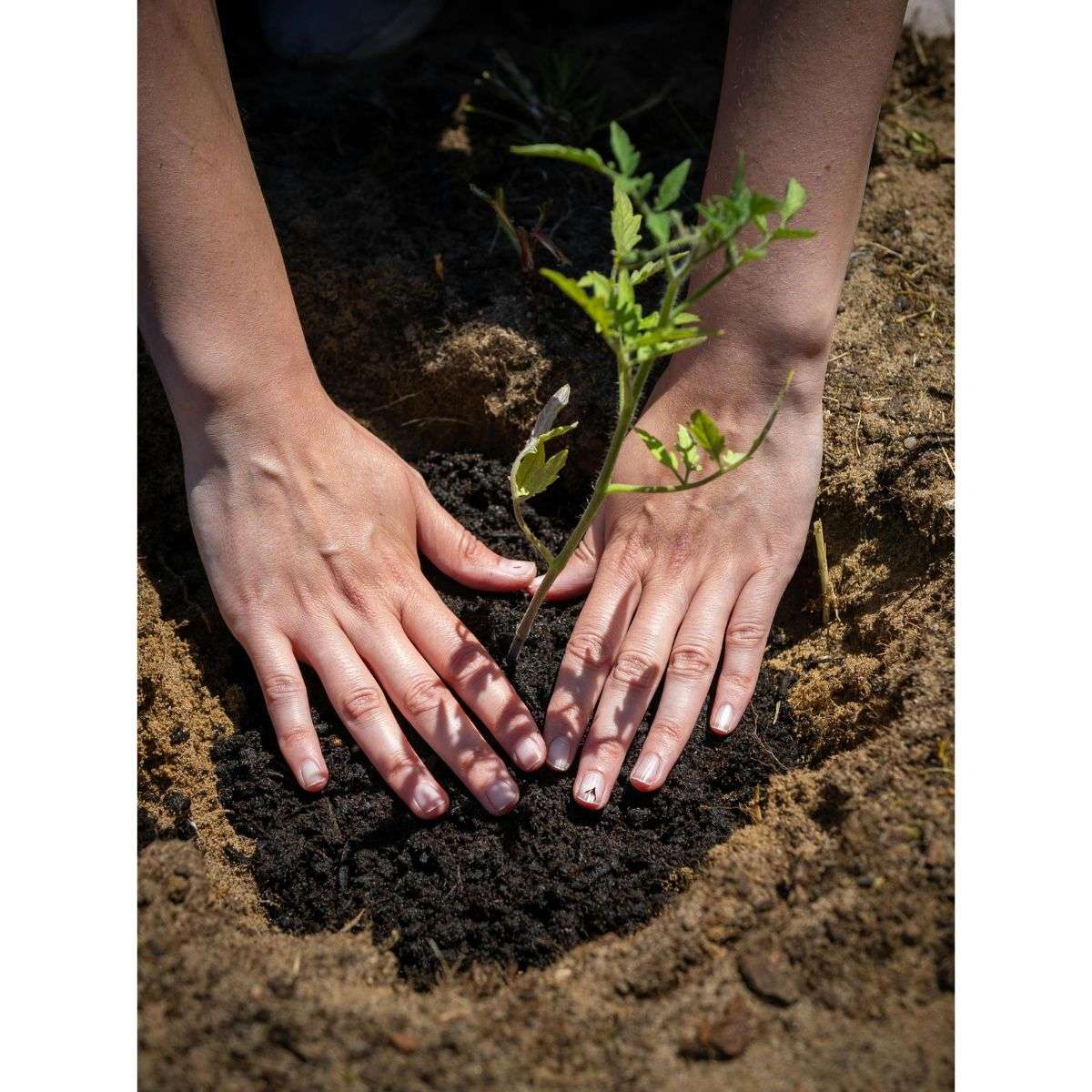
Begonias need well-draining soil that holds some moisture. They rot in heavy, wet soil,l but they also don’t want to dry out completely.
In containers, I use regular potting mix. Sometimes I’ll add extra perlite if the mix seems heavy. In the ground, if you’ve got heavy clay, work in lots of compost or plant them in raised beds. Begonias in poorly-draining clay will rot.
pH between 5.5 and 6.5 is ideal, but begonias aren’t too picky. I’ve never tested pH for begonias. They grow fine in my soil,l whatever it happens to be.
Humidity Matters
Begonias are tropical. They appreciate humidity, though many types tolerate normal household humidity fine.
Rex begonias and some of the fancier types really want 50%+ humidity. Regular household air (30-40%) stresses them.
I’ve got rex begonias in my bathroom, where the humidity is higher. They’re happier there than in the drier living room.
For seedlings, high humidity is critical early on. We’ll get to that.
Watering Balance
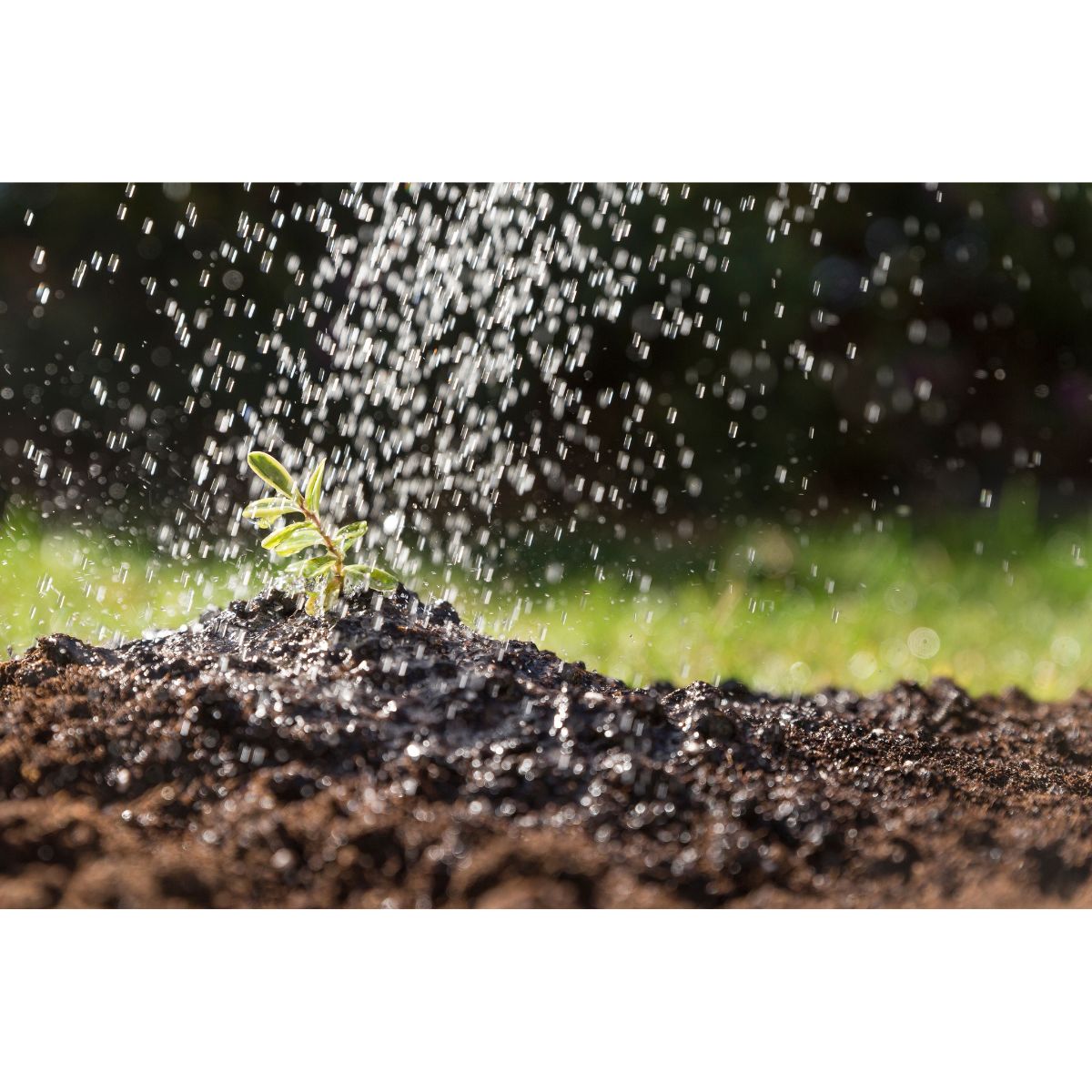
This is where most people kill begonias. Overwatering is the number one cause of death.
Begonias want consistent moisture but not wetness. The soil should dry slightly between watering, but never completely.
I check the soil with my finger. Top inch dry? Water thoroughly. Still damp? Wait.
In containers, water until it runs from the drainage holes. But then don’t water again until the top inch dries.
Begonias in too-wet soil get root rot. The stems turn black at the base and collapse. Usually not fixable once it starts.
… How to Improve Soil Water Retention Without Causing Drainage
… 12 Most Common Irrigation Mistakes That Damage Your Plants
Timing Your Seed Starting
The Long Timeline Nobody Tells You
Begonia seeds take 3-4 weeks just to germinate. Then another 12-16 weeks to reach transplant size. Then another 4-8 weeks to start blooming.
You’re looking at 5-6 months from sowing to flowers. Sometimes longer.
For outdoor planting after the last frost, you need to start seeds in January or February. Earlier, if you can.
I start mine in late January. By early June, they’re ready to go outside. By Jul,y they’re blooming.
Regional Timing
Cold regions (Zones 3-6): Start seeds in January or early February. Plant outside after the last frost.
Moderate regions (Zones 7-8): Start in late January or February. Can plant outside earlier.
Warm regions (Zones 9-11): You can start seeds almost any time, but late summer/fall gives you plants that grow through winter and bloom in spring.
My Actual Schedule
Zone 6, last frost mid-May:
- Late January: Start seeds indoors
- Late March: Transplant seedlings to individual pots
- Late April: Begin hardening off
- Mid-May: Plant outside
- July: First flowers
This has worked consistently for decades.
The Seed Starting Process
Understanding What You’re Dealing With
Begonia seeds are microscopic. Seriously. They look like fine dust or powder.
A single begonia seed weighs about 0.000004 grams. You could fit thousands on a fingertip.
The first time I opened a packet of begonia seeds, I shook it over the tray, thinking nothing was coming out. Turned out I’d dumped probably 200 seeds in one spot because I couldn’t see them.
Many seed companies now sell pelleted begonia seeds—the tiny seeds are coated in clay to make them larger and easier to handle. These cost more, but they’re way easier to work with, especially for beginners.
I use pelleted seeds now. Took me twenty years to swallow my pride and admit they’re better than regular seeds.
Seed Starting Mix
Use sterile seed-starting mix. Not potting soil, not garden soil. Seed-starting mix.
The mix needs to be fine-textured since the seeds are so small. Chunky potting mix doesn’t work well.
I use commercial seed-starting mix straight from the bag. Tried making my own once. Too much work, and the commercial stuff works fine.
Surface Sowing Is Critical
Begonia seeds need light to germinate. You cannot bury them.
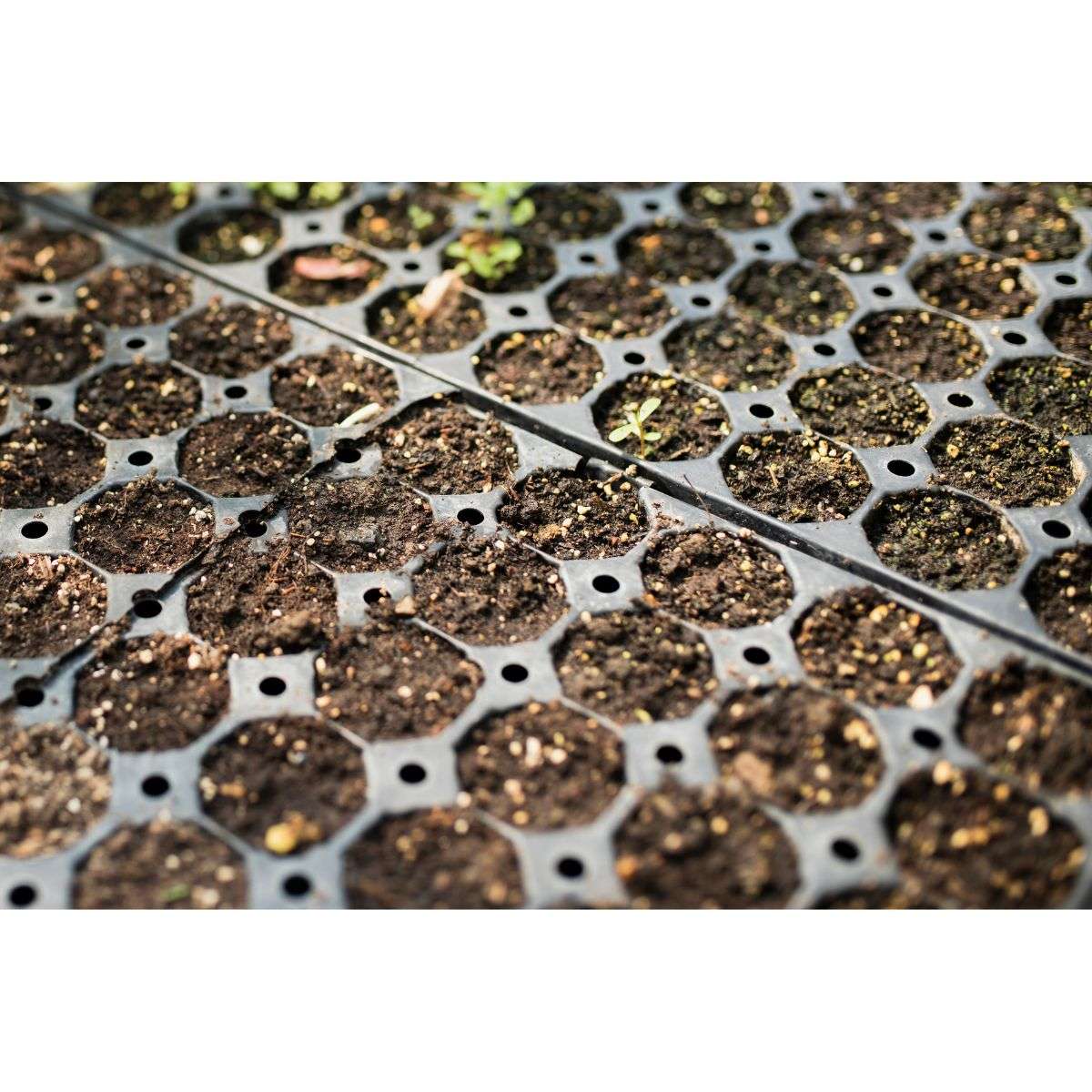
Fill your seed tray or pots with moist (not wet) seed-starting mix. Press it down gently to create a smooth surface.
Sprinkle seeds on the surface. Don’t cover them with soil. Don’t press them in. Just leave them sitting on top.
This feels wrong. Every instinct says to cover seeds with soil. Resist that instinct.
I killed my first three attempts at begonia seeds by covering them with a thin layer of soil. They never germinated because they were buried in darkness.
Watering Without Washing Seeds Away
Here’s the tricky part. Seeds need moisture,e but they’re so light that any water flow will wash them away.
I mist with a spray bottle. Gentle misting, barely wetting the surface. This is tedious, but it works.
Or bottom-water by setting the tray in a larger container of water and letting it soak up from below. This doesn’t disturb the seeds at all.
Top-watering with a watering can is a disaster. Even gentle pouring will wash those tiny seeds to one corner of the tray.
Creating the Right Environment
Cover the tray with clear plastic wrap or a humidity dome. This maintains moisture and humidity.
Temperature: 70-75°F is ideal. I use a heat mat under the tray.
Light: Bright indirect light. Fluorescent or LED grow lights work great. Don’t need direct sun at this stage, but you do need light.
Place in a bright location or under lights. Leave the cover on.
Check daily. Mist if the surface is drying out. Make sure the plastic isn’t dripping condensation onto the seeds—if it is, crack it open slightly for air circulation.
The Waiting Game
Germination takes 15-30 days. Usually around 3 weeks in my experience.
First, you’ll see tiny green specks. That’s the seedlings. They’re almost as small as the seeds.
Once most have germinated, remove the cover gradually over a few days. A sudden change in humidity can shock them.
… How to Grow Petunias: The Complete Petunia Flower Guide
… How to Grow Geranium from Seed
… How to Grow Vinca Flowers from Seed
… How to Grow Portulaca from Seed
When Germination Fails
Temperature Issues
Below 65°F, germination is very slow or won’t happen. Above 80°F, seeds can cook.
If seeds aren’t germinating after a month and the temperature was right, they might be dead. Old seeds, bad storage, poor quality.
Try a different seed source next time.
Seeds Washed Away
If you top-watered instead of bottom-watering or misting, the seeds probably washed to the edges of the tray or were buried.
Look carefully at the soil surface with good light. You might see a clump of seedlings where seeds washed to.
Prevention: Bottom-water or mist only. Never pour water onto begonia seeds.
Mold or Algae
Green or white fuzzy growth on the soil surface means too much moisture or poor air circulation.
Crack open the cover for air flow. Reduce misting frequency. Make sure the mix drains well.
Sometimes you can save seedlings that emerge despite mold. Sometimes mold wins. Prevention is key.
Uneven Germination
Normal. Begonia seeds don’t all germinate at once. You’ll get some at 2 weeks, some at 3 weeks, some at 4 weeks.
I’ve had stragglers germinate 6 weeks after the first ones sprouted.
Just be patient. Don’t toss the tray until at least 6 weeks have passed with no new germination.
Seedling Care
Light Becomes Critical
Once seedlings emerge, they need strong light immediately, or they’ll get spindly.
I use fluorescent or LED grow lights positioned 3-4 inches above the seedlings. Run them 14-16 hours daily.
Without adequate light, begonia seedlings stretch and fall over within days. They never really recover from early light starvation.
Window light usually isn’t enough, even in winter. The intensity isn’t there.
Humidity Still Matters
Keep seedlings under a cover or dome for another 2-3 weeks after germination. They’re fragile and need high humidity.
Gradually increase air exposure over a week before removing the cover entirely.
Too-rapid humidity drop causes seedlings to shrivel and die. I’ve lost entire trays this way.
Watering Tiny Seedlings
Bottom-watering is safest. Set the tray in water, let it soak up for 10-15 minutes, and drain.
If top-watering, use a spray bottle on a gentle setting or a pipette/syringe to water around seedlings without hitting them directly.
The seedlings are so small that a drop of water can flatten them.
Keep soil consistently moist but not soggy. Begonia seedlings are delicate—they can’t handle drying out, but they’ll rot in wet soil.
Preventing Damping Off
Damping off is a fungal disease that kills seedlings at the soil line. They’re fine one day, and collapse the next.
Prevention:
- Use sterile seed-starting mix
- Don’t overwater
- Provide air circulation
- Water in the morning, so the surface dries by evening
I lost my first two years of begonia seedlings to damping off before I figured out I was keeping them too wet with poor air circulation.
First Feeding
Once seedlings have 2-3 true leaves (the later leaves, not the first tiny cotyledons), start feeding.
Liquid fertilizer at quarter strength. Once a week.
Too much fertilizer burns seedlings. But they do need some nutrition as they grow.
… How to Grow Kalanchoe Flowers from Seeds?
… How to Grow Peace Lily from Seed?
… How to Grow Anthurium from Seed
… How to Grow Chrysanthemums from Seed
Transplanting
When They’re Ready
Seedlings are ready to transplant when they have 3-4 true leaves and are about an inch across. This is usually 8-12 weeks after germination.
Don’t wait too long. Overcrowded seedlings in the starting tray get stunted.
Handling Microscopic Seedlings
This is nerve-wracking. The seedlings are still tiny and incredibly fragile.
I use a toothpick or small wooden skewer to gently lift seedlings from the tray. Sometimes I’ll use tweezers to grab a leaf (not the stem—stems are too fragile).
Work on a well-lit surface. You need to see what you’re doing.
Fill small pots (2-3 inches) with moistened potting mix. Make a small hole with a pencil.
Carefully place the seedling in the hole at the same depth it was growing. Firm soil gently surrounds it.
Water very gently after transplanting.
I break or kill maybe 20% of seedlings during transplanting. It’s delicate work. Go slow.
Post-Transplant Care
Keep transplanted seedlings in bright indirect light. Not full sun yet.
Maintain consistent moisture. They’re stressed from transplanting and can’t handle drying out.
After a week, they should be established and growing again.
Hardening Off
Before planting outside, begonias need a gradual transition to outdoor conditions.
About 2 weeks before outdoor planting, start putting them outside in a sheltered, shaded spot for a few hours. Bring in at night.
Gradually increase outdoor time and sun exposure over two weeks.
By the end, they’re staying out day and night in the location where they’ll be planted.
Skip hardening off at your peril. Direct transition from indoor to outdoor will shock them badly. Some won’t recover.
Container Growing
I grow most of my begonias in pots. Easier to control conditions, and I can bring them inside in the fall.
Pot Size
Start young transplants in 3-4 inch pots. Move to 6-8-inch pots as they grow.
Mature begonias do well in 8-10-inch pots for most varieties. Angel wing and other tall types need 12+ inch pots.
Bigger pots mean less frequent watering but more weight to move around.
Soil Mix
Regular potting mix works for most begonias. I sometimes add extra perlite or orchid bark for extra drainage if the mix seems heavy.
For rex begonias and other humidity-lovers, I’ll add peat moss to help retain some moisture.
The mix should drain well but hold some moisture. The begonias need a balance.
… 10 Signs of Poor Garden Bed Soil & Simple Ways to Fix It
… How to Grow Impatiens Flowers from Seed
… How to Grow Calibrachoa from Seed
Drainage Is Everything
Pots must have drainage holes. No exceptions.
Begonias in pots without drainage die from root rot within weeks.
I use saucers under pots to catch excess water, but I empty the saucers after watering. Don’t let pots sit in water.
Where to Put Them
Outdoor: Covered porch, under tree canopy, east or north-facing location. Somewhere with bright shade or filtered light.
Indoor: Bright windows without direct sun. East windows are perfect. North windows work. South or west windows need plants set back from the glass.
I’ve got begonias scattered throughout my house—bathroom (humid), kitchen windowsill, living room near but not in the east window.
Outside, they’re on my east-facing porch, where they get gentle morning sun and shade the rest of the day.
Ongoing Care
Watering Pattern
Check the soil every 2-3 days. Water when the top inch is dry.
In summer heat, containers might need daily watering. In winter, maybe once a week.
I don’t water on a schedule. I check the soil and water when needed.
Wilting begonias usually perk up within hours after watering. But repeated wilting stresses them, and they stop blooming.
Feeding
Liquid fertilizer every 2-3 weeks during active growth. Balanced like 10-10-10 or bloom-booster like 10-30-10.
Half-strength is fine. Begonias don’t need heavy feeding.
In winter, when growth slows, I cut back to monthly feeding or stop entirely.
Pruning
Pinch growing tips on young plants to encourage bushier growth. This works especially well on fibrous types like wax begonias.
Remove dead or dying leaves as they appear. Keeps plants tidy and prevents disease.
Some types (angel wing, dragon wing) can get tall and leggy. Cut them back by a third, and they’ll branch and come back bushier.
I cut my angel wing back every fall before bringing it inside. Reduces the size of indoor space and stimulates new compact growth.
Deadheading
Remove spent flowers to keep plants looking good and encourage more blooms.
Some begonias drop spent flowers on their own. Others hold onto them, and they look ratty.
Takes maybe 5 minutes per plant every week or two. Worth it for continuous blooming.
Maximizing Blooms
Light Optimization
More light (without burning leaves) equals more flowers.
Begonias in bright indirect light bloom heavily. Same plants in lower light bloom sporadically or not at all.
If indoor begonias aren’t blooming, move them closer to a window or add grow lights.
… 12 Reasons Why My Flowering Plants Aren’t Blooming – Fix It
Phosphorus for Flowers
Bloom-booster fertilizer with a higher middle number (phosphorus) encourages flowering.
I use 10-30-10 during peak growing season when I want maximum blooms.
Too much nitrogen (first number) gives you big plants with fewer flowers.
Consistent Care
Begonias bloom best when conditions are stable. Erratic watering, temperature swings, and moving them around all reduce flowering.
Find a good spot, maintain consistent care, and they’ll bloom for months.
Common Blooming Problems
Not enough light: Most common reason for no flowers.
Too much nitrogen: Big green plant, few flowers.
Temperature extremes: Below 60°F or above 85°F, flowering slows or stops.
Stress: Transplanting, pests, disease, or any major stress can stop flowering temporarily.
Troubleshooting Problems
Yellow Leaves
Overwatering: Yellow leaves starting from the bottom, wet soil, possibly root rot developing. Cut back on water immediately.
Underwatering: The entire plant wilts and yellows. Water thoroughly.
Natural aging: Lower leaves yellow and drop as the plant ages. Normal if just a few leaves.
Nutrient deficiency: Older leaves yellowing while new growth stays green. Feed the plant.
Leaves Dropping
Temperature shock: Sudden cold or heat causes leaf drop. Stabilize temperature.
Transplant shock: Some leaf drop after transplanting is normal. Should recover in a week or two.
Underwatering: Severe drought causes leaf drop. Water, and hopefully the plant recovers.
Pest or disease: Check for insects or signs of infection.
Slow or Stunted Growth
Not enough light: Move to a brighter location.
Root-bound: Check if roots are circling the pot. Transplant to a larger container.
Nutrient deficiency: Feed regularly.
Temperature too cool: Below 60°, F, growth is very slow. Can’t fit the weather, but bringing plants to a warmer location helps.
Root Rot
Black, mushy stems at the soil level. Wilting despite wet soil. Roots brown or black instead of white.
Usually fatal once advanced. You can try cutting away all affected tissue and repotting in fresh dry soil, but the success rate is low.
Prevention is key: don’t overwater, ensure good drainage, and use well-draining soil.
Pests and Diseases
Aphids
Soft-bodied insects clustering on new growth. Usually green but can be black, brown, or pink.
Spray off with water. Or use insecticidal soap.
Check weekly. Early detection means easy control.
Spider Mites
Tiny spider-like pests. You see fine webbing before you see the mites. Leaves get stippled and yellowed.
Increase humidity (mites hate humidity). Spray plants with water. Insecticidal soap or neem oil.
Spider mites love indoor begonias in dry winter air. I spray mine with water weekly in winter to keep mites at bay.
Mealybugs
White cottony masses in leaf axils or on stems. Sap-sucking pests.
Remove with rubbing alcohol on a cotton swab. Spray with insecticidal soap.
Persistent. Requires repeat treatments.
Powdery Mildew
White powdery coating on leaves. Fungal disease.
Improve air circulation. Don’t overheat water. Neem oil spray helps.
I’ve fought powdery mildew on begonias in humid, still air. Moving them to better airflow solved it.
Botrytis (Gray Mold)
Gray fuzzy mold on flowers, leaves, or stems. Shows up in cool, wet conditions.
Remove affected parts. Improve air circulation. Water in the morning so plants dry before night.
Root Rot
Already covered above. Caused by overwatering or poor drainage. Usually fatal.
… How to Prevent Plant Diseases Naturally
… 10 Natural Ways to Protect Plants from Snails and Slugs
… How to Control Caterpillars in Vegetable Plants?
… 10 Homemade Organic Pest Spray Recipes for Home Gardens
Seasonal Strategies
Summer
Peak growing season. Consistent watering, regular feeding, and deadheading.
Watch for heat stress in containers. Move to a shadier spot during heat waves if needed.
Rainy Periods
Too much rain causes root rot and disease problems.
For containers, move under cover during heavy rain.
On the ground, not much you can do. Hope your drainage is good.
Winter Care
In cold climates: Bring containerized begonias inside before frost. They’ll survive as houseplants, though growth slows and flowering may stop.
In warm climates (Zone 9+): Begonias can stay outside year-round. Growth slows in the coolest months, but they don’t go dormant.
I bring mine inside in October. They sit in bright windows all winter. Some continue blooming. Some just maintain. In spring,g they go back outside and explode with growth.
Overwintering Tuberous Types
If you’re growing tuberous begonias (which I don’t because they’re fussy), you have to dig tubers, store them dormant in cool, dry conditions, and replant in spring.
Whole separate process. Not relevant for the fibrous types we’re growing from seed here.
Indoor vs Outdoor
Begonias as Houseplants
Many begonias do well indoors. Rex begonias are primarily indoor plants.
Requirements: Bright indirect light, consistent moisture, decent humidity (50%+).
Challenges: Dry indoor air, lower light than outdoors, and spider mites.
I’ve kept begonias alive indoors for years. They don’t grow as vigorously as outdoor plants, but they’re reliable and attractive.
Outdoor Growing
Begonias outdoors in the right spot (shade to partial shade, protected from wind and harsh sun) grow explosively in warm months.
My outdoor begonias in summer are three times the size of the same plants grown indoors. The environmental conditions are just better.
But they’re seasonal in cold climates. You get 4-5 months of outdoor growth, then you either bring them in or let them die.
… Best Flower Plants for Every Season
… How to Make Compost at Home Using Kitchen Waste
… How to Grow Geranium from Seed
…How to Grow Petunias: The Complete Petunia Flower Guide
Common FAQ – People Also Ask
How long do Begonia seeds take to germinate?
Begonia seeds usually take 10 to 21 days to germinate, but it can sometimes take longer depending on conditions. Because the seeds are extremely small, they need warm temperatures (around 20–25°C), consistent moisture, and light to sprout. If conditions are slightly off, germination can be slow or uneven.
Do begonia seeds need light to germinate?
Yes, begonia seeds need light to germinate. They should be placed on the surface of the soil and not covered. Covering these blocks with light can prevent sprouting. A bright location or gentle grow light helps trigger successful germination.
Can I grow begonias indoors from seed?
Yes, begonias are actually ideal for indoor seed starting. Their tiny seeds are easier to manage in a controlled environment where you can maintain steady warmth, humidity, and light. Indoors, you can avoid weather fluctuations, which improves germination success and early growth.
Why are my begonia seedlings dying?
The most common reason is overwatering, which leads to a condition called damping-off (a fungal disease that kills young seedlings). Other causes include:
- Poor airflow
- Low light
- Heavy or waterlogged soil
To fix this, use well-draining soil, light watering, and good ventilation.
What is the best soil for begonias?
Begonias grow best in light, well-draining, and slightly acidic soil. A good mix includes:
- Peat or coco coir
- Perlite or sand for drainage
- Compost for nutrients
Heavy soil holds too much water and can cause root rot, so drainage is critical.
How often should I water begonia seedlings?
Water lightly and only when the surface starts to dry. Seedlings need consistent moisture but not soggy soil.
- Use a mist spray or bottom watering
- Avoid flooding the soil
Too much water is more harmful than too little at this stage.
Can I collect seeds from begonias?
Yes, you can collect seeds once the flowers fade and form small seed pods. When the pods dry and turn brown, they contain fine, dust-like seeds. Let them dry completely before storing in a cool, dry place.
Do begonias self-seed?
Begonias can self-seed in ideal conditions, but it’s not very common or reliable. Because the seeds are so tiny, they need specific conditions to grow. In most cases, gardeners prefer to collect and sow seeds manually for better results.